
PM GUIDE, PM GATE and PM PORTFOLIO standards: practical support for project, program and portfolio management
20.01.2026


"Strategy without tactics is the slowest path to victory. Tactics without strategy - noise before defeat".
Sun Tzu
My name is Ivan Smirnov, and from 2022 to November 2025 I was part of the standards development team PM GUIDE, PM GATE and PMPORTFOLIO. As a result of joint work, it was possible to create a consistent management system for any project, program and portfolio.
I'll say right away that the developed system "is not a universal pill" as in the film "Areas of Darkness" (Limitless, 2011).
1. Reasons for appearance
For 2022, the following line (triad) of standards was used, if we are talking about a connected system - project - program - portfolio, and not individual entities:
|
Developer |
Project |
Program |
Portfolio |
|
Project Management Institute (PMI), USA |
PMBOK® Guide (Project Management Body of Knowledge) |
The Standard for Program Management |
The Standard for Portfolio Management |
|
ANO "Center for Standardization of Project Management", Russian Federation |
GOST R 54869-2011 "Requirements for project management" |
GOST R 54871-2011 "Requirements for program management" |
GOST R 54870-2011 "Requirements for portfolio management" |
|
International Organization for Standardization (ISO) |
ISO 21502:2020 Guidelines for project management |
ISO 21503:2022 Guidelines for program management |
ISO 21504:2022 "Guidelines for portfolio management" |
Creating a ruler PM Excellence was caused by a number of practical factors aimed at ensuring the technological and managerial sovereignty of Russia:
1) Simplifying the complex
International standards in some cases turn out to be too detailed for domestic practice or are described too abstractly.
2) Adaptation to Russian realities
Tight deadlines and tight budgets, geography of implementation, the growing role of EPC and PMC contractors, customer requirements, maturity level of participants, shortage of qualified personnel in project management - all this required an adapted methodology. These issues are especially acute when managing construction projects.
3) Reducing the gap between strategy and operations
Russian companies often face inconsistency in plans, goals and execution, plus high uncertainty in the current environment.
4) The need for a minimal but mandatory set of processes
International standards provide guidance but do not set minimum requirements. General management issues required specific, enforceable processes.
5) Increasing complexity of projects
The specifics of large-scale projects and megaprojects, the technological complexity of objects, and digital transformation require systematic approaches to planning, risk management, monitoring and control of projects-programs-portfolios.
6) Transition to digital control
Organizations need standards that are compatible with project management automation, analytics, and digital tools.
7) The need to unify data quality requirements
Network diagrams, budgets, risks and reporting must have a single logic at all levels of management - the "matryoshka" principle.
2. How the standards work together
Each standard expands on the previous one, but does not replace it. Together they form one system: projects → programs → portfolio.
You can implement them comprehensively or individual elements. It's not all or nothing. This is a flexible system.
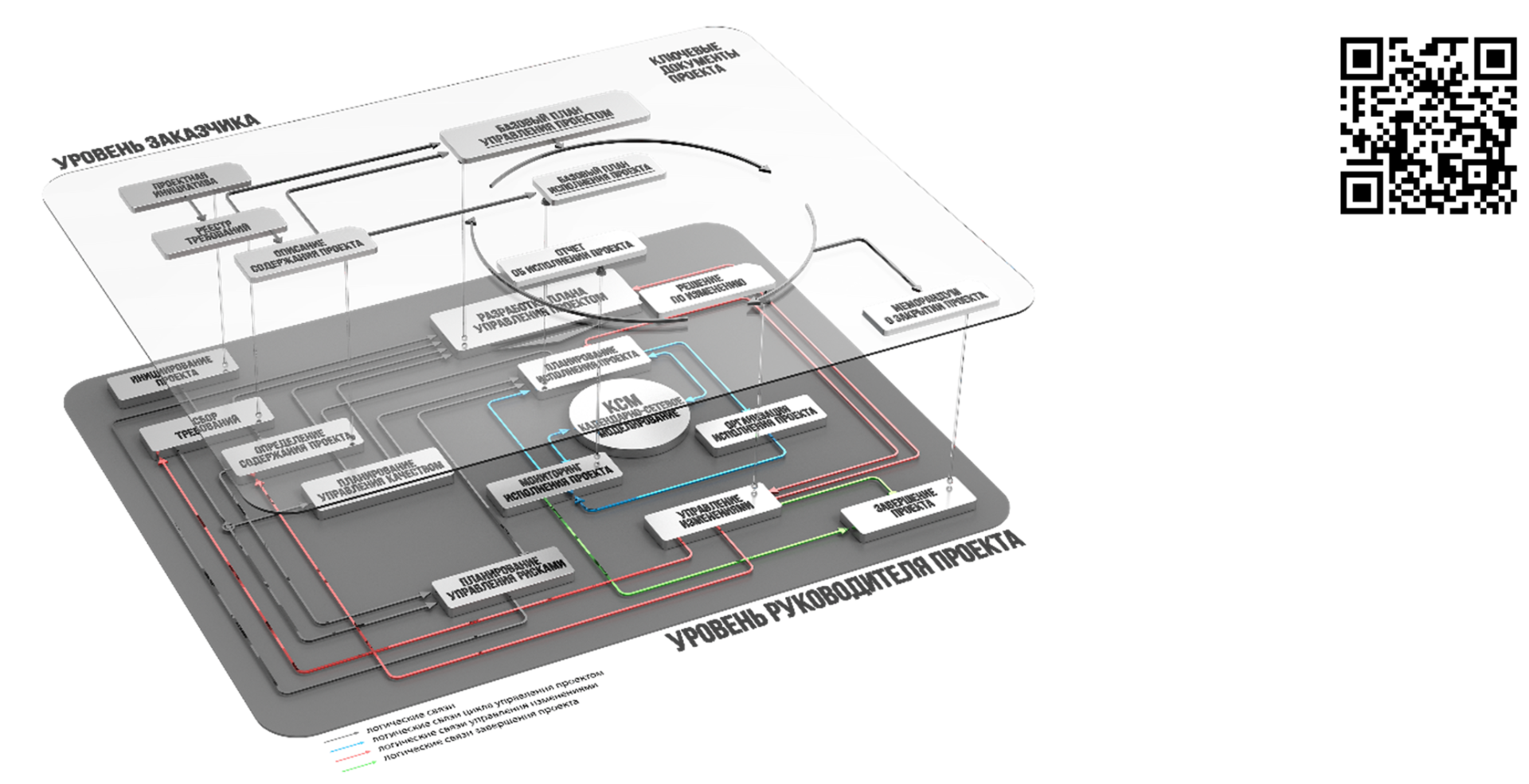
PM GUIDE describes the minimum 12 processes required to manage any project and the relationships between them, where the "heart" of the project is the schedule network model.
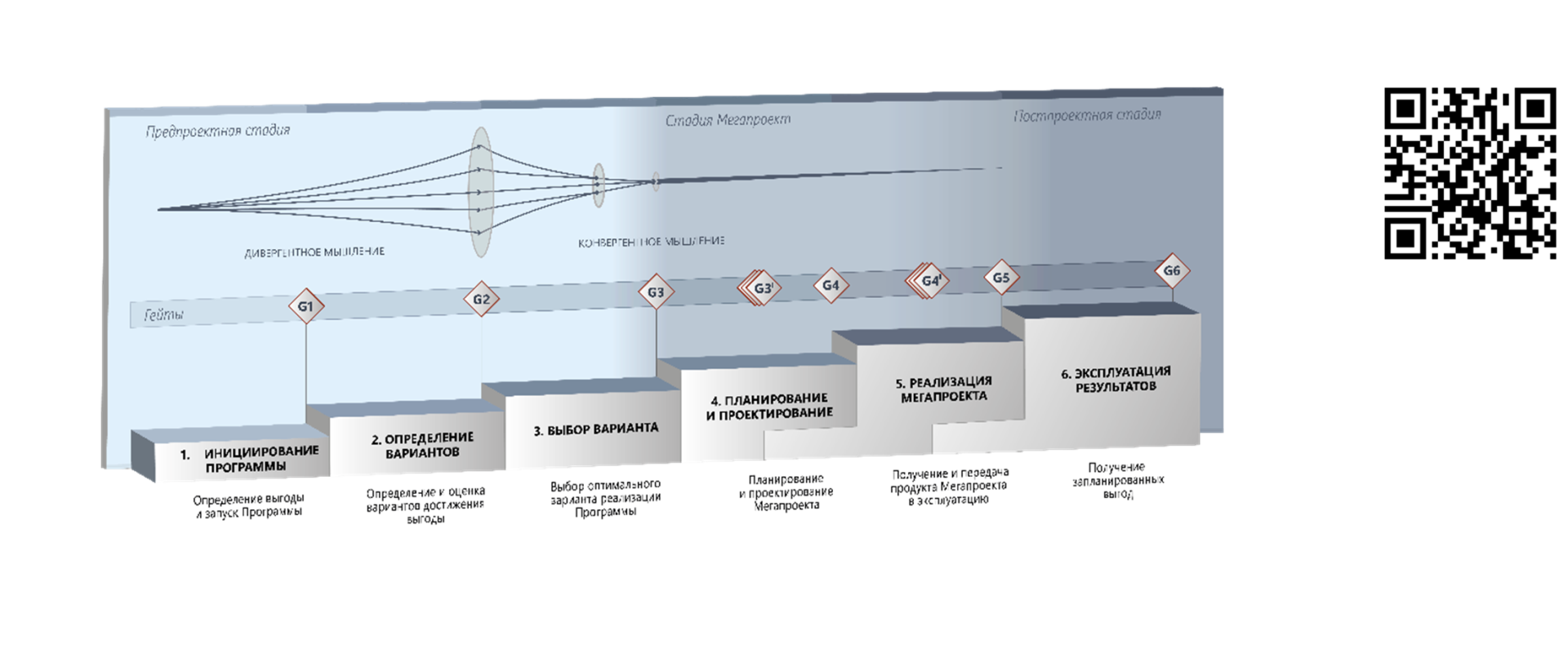
PM GATE is based on the gate model and focuses on benefit management: from concept creation to exploitation of the results of large-scale projects and megaprojects. The standard is especially relevant in the management of construction projects.
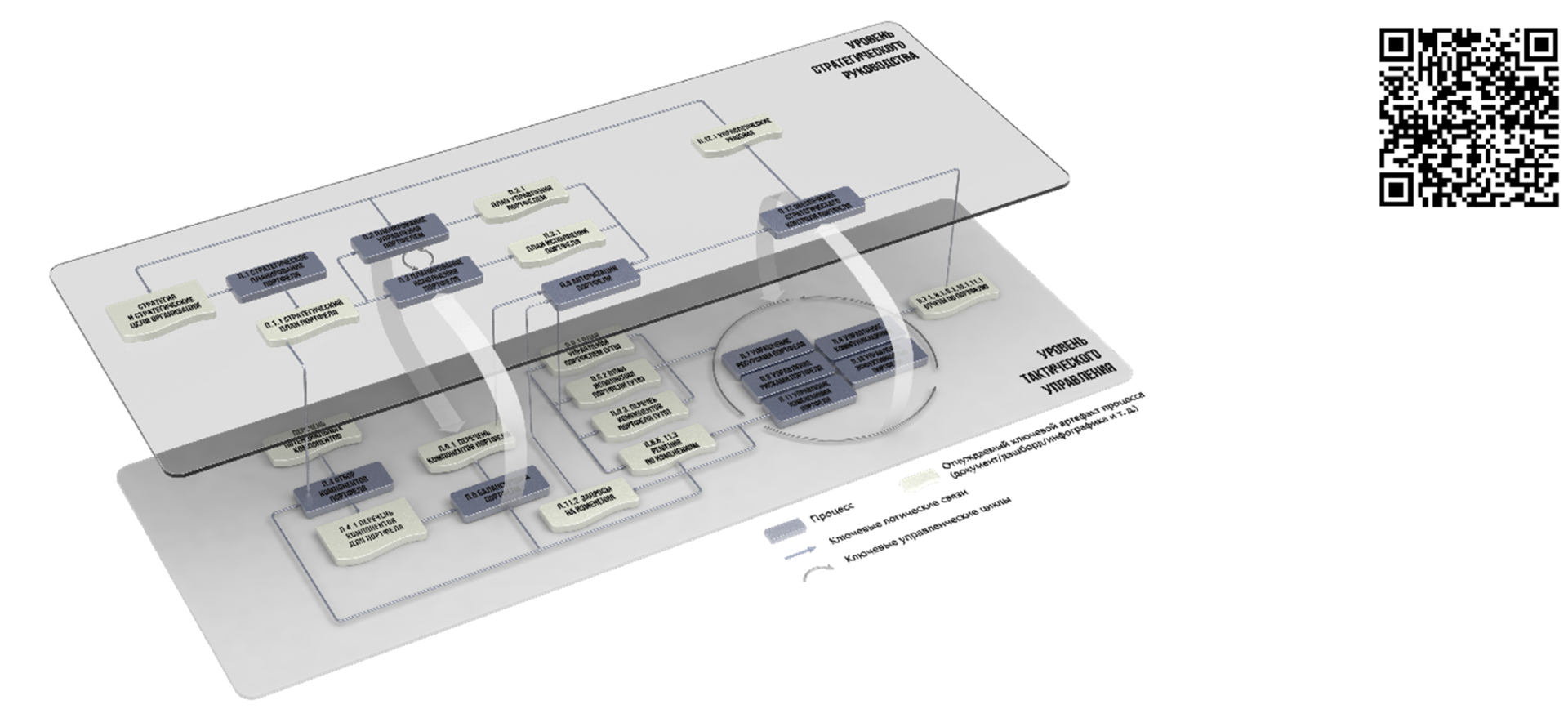
PM PORTFOLIO defines the rules for assessing, prioritizing and controlling the portfolio, managing constraints, resource allocation and communication with strategy. The standard allows you to organize systemic monitoring of project management at the portfolio level.
3. X5 advantages
1) Openness and ease of implementation
Any standard should work, and not stand and show off on a shelf. We created all the standards based on the principle of applicability for any project-program-portfolio with first results in a short time, preferably no more than a month. This is especially important when it comes to reducing project timelines.
2) Minimum necessary and mandatory set of management processes
Unlike GOSTs and international models, standards set specific requirements for inputs, outputs and data quality - without unnecessary bureaucracy. They cover general project management issues, including project risk management and scheduling.
3) Practical applicability
Behind each standard are teams with a combined 250+ years of project management experience who manage real-life projects, programs and project portfolios every day. This experience includes both Russian practice and foreign experience in project management.
4) Support for digitalization and automation of project management
The standards are built on approaches that are compatible with digital platforms, analytics, monitoring and project control. Automation is built into the very concept of standards, which allows for the effective use of modern control technologies.
5) Possibility of conducting independent "checkups"/examinations (health checks)
The standards make it possible to assess the maturity and effectiveness of the entire management and decision-making system in projects-programs-portfolios.
4. Conclusions
As a member of the development team, I will note the key results that were achieved:
- applicability for any company;
- quick results and the ability to reduce project deadlines;
- accessibility and practicality;
- increasing controllability when managing large-scale projects and megaprojects;
- the possibility of digitalization through automation of project management;
- connection between strategy and operations.
The standards will be updated taking into account trends in digitalization, analytics, foreign experience, and the development of project, program and portfolio management technologies.