
Megaprojects of the USSR: Brigade contracting at construction sites
15.05.2025

Many people remember the wonderful Soviet film "Prize" released in 1974 with a star cast of actors. Leonov, Yankovsky, Samoilov, Gluzsky, Dzhigarkhanyan, Kryuchkova discuss the topic of effective work at a construction site. More precisely, they are looking for reasons for delays and poor quality. Leader PM Excellence Alexander Kutuzov, PME often quotes fragments of this film at trainings on managing large-scale projects and megaprojects.

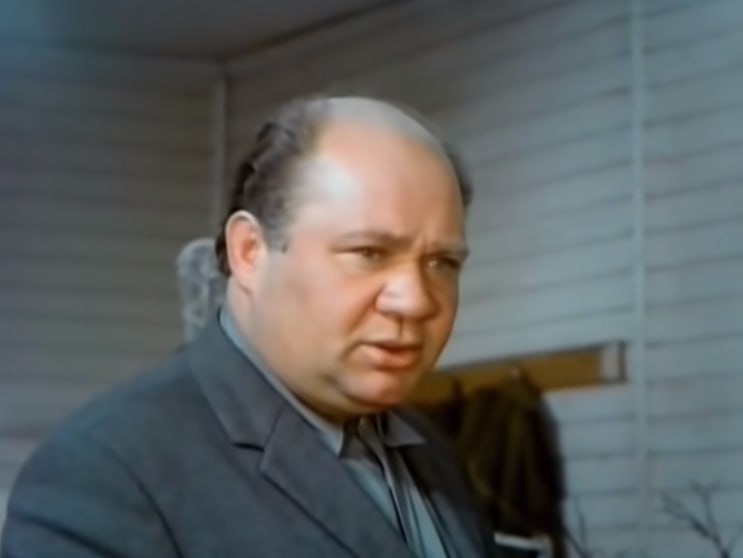
Fig.1 Fragment of the film "Prize", USSR, 1974
Watch a fragment of the film "Premium"
It seemed that the problems highlighted in the film "The Prize" were typical and inherent in any construction project in the USSR (and in Russia too). However, against the background of the excesses of the planned economy and ideology in the USSR, there were oases of advanced thought in the field of construction project management and ready-made examples of implementation.
I came across this example in Zelenograd, the greenest suburb of Moscow. Having visited Zelenograd, I was not only surprised by the unusual houses built in the 70-80s of the last century, but also by the amazing concept of building a new city under the leadership of the young chief architect Igor Pokrovsky.
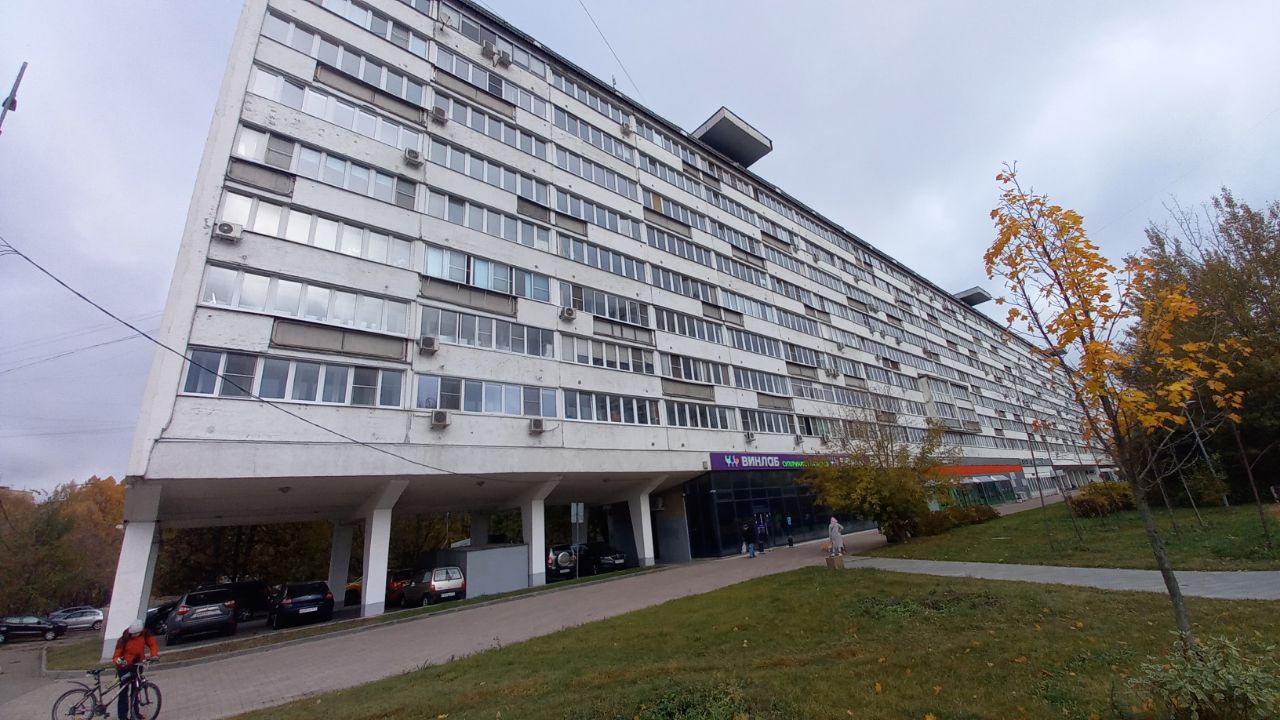
Fig. 2 "Flute" house in Zelenograd on legs about 500 meters long
I tried to sort out the Zelenograd story with the brigade contract into pieces.
Project background
A rare combination of stakeholders in the so-called "Zelenograd" experiment. The threat of failure to fulfill the plan for the last year of the Eighth Five-Year Plan (1970). And innovative approaches to the implementation of housing construction, which were supported by the management of the Zelenogradstroy design institute and the SU-111 construction department.
Parameters of the pilot project
Construction of a 14-story residential building (building 501). For reference: Zelenograd has its own numbering of houses without streets, but with building numbers.
The construction budget is 475 thousand rubles.
The planned duration of the project is 235 working days.
Experiment conditions: The construction department enters into an agreement with the team, pledging to deliver the material on time, provide equipment and transport. The team, which was declared the complete owner of the construction site, was required to deliver the house on time on a turnkey basis.
The budget under the management of project manager Nikolai Zlobin is 408 thousand rubles.
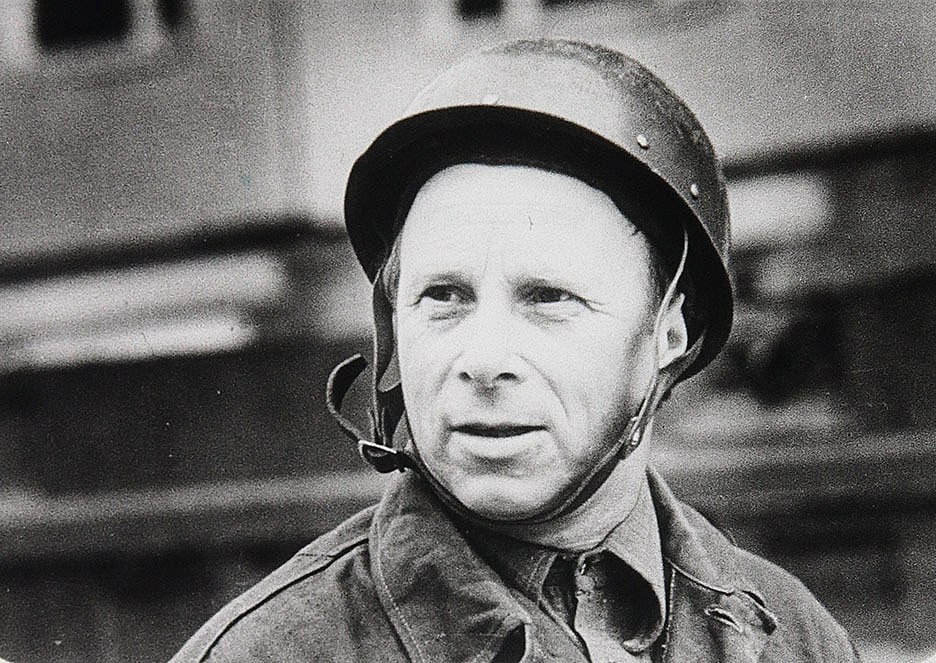
Fig.3 Brigadier Nikolai Zlobin
Criteria for project success: If the team completes the project two to three months ahead of schedule, it will save the state 25-30 thousand rubles, and if the house is delivered well, 30-40% of this excess profit will go to bonuses for workers.
Team formation
Nikolai Zlobin discussed the terms of the project with his team, without yet accepting them. After some discussions and conflicts, including remarks:

The core of the team was formed and consent was given to implement the project.
Team composition: the team included 47 construction workers: 10 masons, 7 installers, 2 concrete workers, 7 carpenters, 4 riggers, 4 plasterers, 10 helpers, 2 electric welders, 1 tinsmith. In addition, the team included 3 tower crane operators. Total 50 people.
Project implementation
Zlobin's team actively took on the project. As a self-organized, motivated team, the team actively used what is now called cross-functionality. Workers, as a rule, possessed several specialties. This helped avoid downtime. As soon as the scope of work for concrete workers ended, they turned into installers.
Nikolay Zlobin took on the main coordination issues: supply management, monitoring and control of the project plan, discussion with the team about issues of improving work, interaction with numerous supervisory commissions.
The management of the construction trust supervised the issue of compliance with the construction schedule network plan. The experimental facility was controlled by inspectors and auditors. There was enormous interest in the project: will it work or not? The deadline for commissioning the project was approaching, and correspondents from newspapers, radio, and television, both local and all-Union, began to frequent the construction site.
Implementation difficulties
From the memoirs of Nikolai Zlobin: the construction of building 501 supplied 22 Moscow factories - the team lowered the delivery schedule for each product, which... as before, was constantly disrupted. Only now these troubles were a "headache" for the brigade and were hitting the pockets of the workers themselves. And this difficulty was far from the only one.
The foreman monitored the critical path of the project daily and did everything possible to compress the schedule. At the same time, reserves were managed according to deadlines and budget.
Motivation
The management of the construction trust repeatedly met with the team and reminded them of the key motivation:

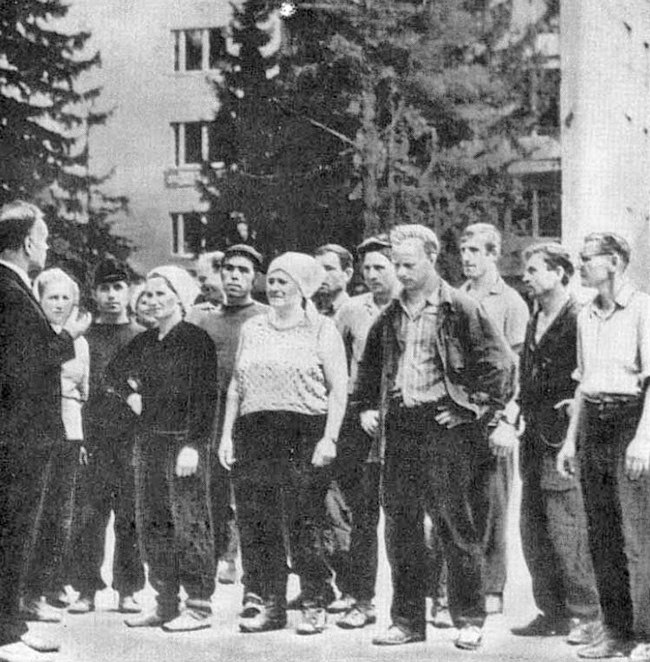
Fig.4 Nikolai Zlobin's brigade, 1970
By the way, about team burnout. On weekends and after work, the "Zlobinites" often got together: fishing, mushroom hunting, going to the theater, chess and checkers tournaments, excursions to other cities, etc.
Delivery of the object
According to usual standards, 235 working days were allotted for the construction of building 501, but the team spent only 155 days and delivered the house 80 days ahead of schedule (!).
At that time, acceptance certificates were usually accompanied by a list of deficiencies with an average of 300 items, but here it took up only two handwritten pages, and there was not a single serious comment. The commission proposed to evaluate the work of the brigade as "good."
Three weeks later, a ceremonial meeting was held in the conference hall of Zelenogradstroy, where Zlobin's team was invited. They summed up the results, named impressive savings figures, noted the increase in labor productivity - the contract and socialist obligations provided for an increase of 25%, but in fact it amounted to 36%. Of the 408 thousand rubles allocated to the brigade, more than 20 thousand were saved.
Rewarding those involved
The head of Zelenogradstroy, Sergei Dementyev, awarded each member of the team large cash bonuses - from 362 to 495 rubles. The foreman, by decision of the city executive committee, was given a warrant for a four-room apartment - "for skillful leadership of the brigade, approval of the brigade contract and its active propaganda."
Lessons learned
Nikolai Zlobin wrote an autobiographical story with the military title "Scouts," in which he summarized the results of his revolutionary approach. The book was published twice - in 1983 and 1986, the second edition was supplemented with photographs.
Zlobin explained the title of the book this way:

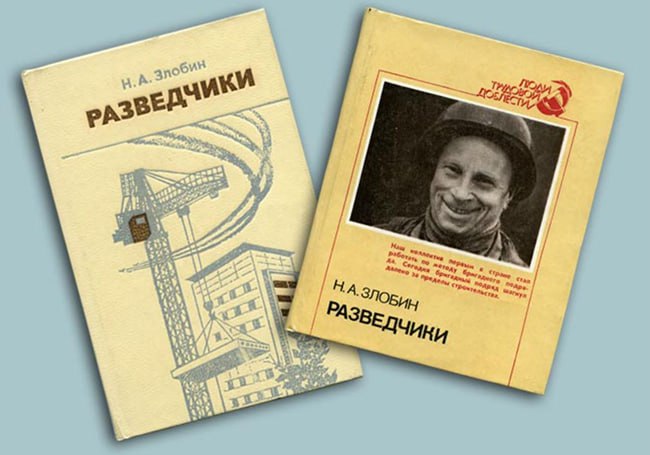
Fig.5 Books by Nikolai Zlobin
No longer an experiment
Even before Zlobin's brigade completed the construction of the 501st building, a new facility had already been assigned to it. Having discussed the new task, the team decided that they could build it in five months instead of the planned ten.
In February 1971, Zlobin delivered a presentation at the All-Union Meeting of the country's advanced foremen, where he spoke about the advantages of the new method. After that, interested builders began to come to him at the construction site. Brigade contracting took root at other construction sites and in other departments.
In May 1971, Nikolai Anatolyevich Zlobin was awarded the title of Hero of Socialist Labor, he was awarded the Order of Lenin and the Hammer and Sickle gold medal.
Replication
The experience of Zlobin's team was approved by the CPSU Central Committee, and they began to implement it on the country's construction sites, including by order. By the mid-70s, according to statistics, about 52 thousand groups switched to the Zlobin method. And by the end of the decade there were already almost 70 thousand of them, which accounted for 35% of all construction crews in the USSR.
Unfortunately, the "Zlobin Method", despite all the efforts to introduce it, never became widespread and did not reveal its potential. There were many reasons: poor organization of supplies, lack of materials and equipment, low level of engineering preparation for construction, resistance from financial authorities. But that's another story.
In Russia, there is growing interest in resuscitating methods and approaches to implementing construction projects mastered in the USSR. Already on a new engineering base, using schedule network planning, on the scale of large-scale projects and megaprojects. With the active involvement of suppliers and contractors.
As an example, I will mention the use of flow schedules in construction, which makes it possible to maintain the rhythm of a construction project and speed up the delivery time of a project.
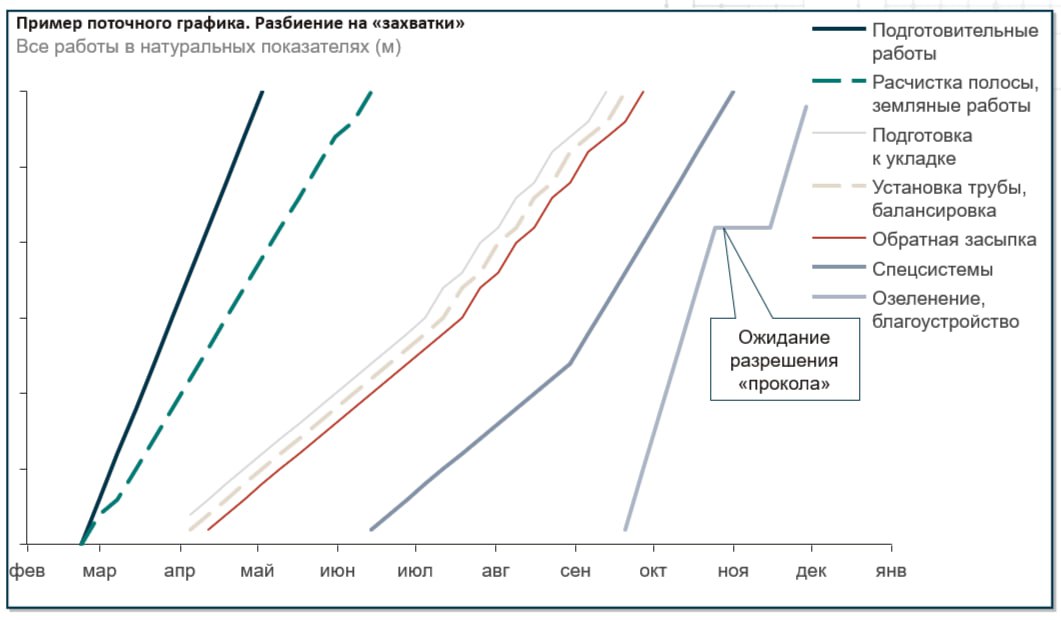
Fig.6 Example of a construction flow schedule
Meanwhile in Zelenograd
The tradition of new construction approaches continues at the work site of Zlobin's team. There is an abandoned CIE in Zelenograd. The Center for Informatics and Electronics is an unrealized Soviet project to create a second scientific and production complex of research institutes in Zelenograd. It is planned to implement a housing megaproject on the site of the Center for the construction of a new microdistrict.

Fig. 7 Project for the construction of a new microdistrict in Zelenograd
The traditions of Zlobin and Pokrovsky live on! The Soviet experience in managing large-scale projects and megaprojects requires further research. The experience needs to be torn off, the dust blown off and used in work.
As a summary:

Source of information: https://www.zelenograd.ru/story/stroitel-zlobin/
#project_management_in_construction #large_projects_management #PMC_contractor #megaprojects_management #Project_planning #Automation_of_control_systems