
Megaprojects: kanban, backlog and other jazz

In 2018, I had to participate in a large-scale program to prepare for the World Cup in Russia. More precisely, in the megaproject "Construction and reconstruction of airports." Even more precisely - in the specific project "Launch of the international terminal of Anapa Airport". The basis for the project was the choice of the Danish national team Anapa as a host and the need to organize a separate terminal for the Danish national team to fly to matches.
In general, as part of a large-scale megaproject to prepare for the World Cup in Russia, more than twenty airports were reconstructed, including such air harbors as Domodedovo, Sheremetyevo and Pulkovo.
A year earlier, with my participation as project manager, the construction project in Anapa of a new terminal for domestic flights within Russia with an area of twelve thousand square meters was completed. The shareholders considered the project a success, however, based on the results of the project, I formulated interesting lessons learned (Fig. 1).
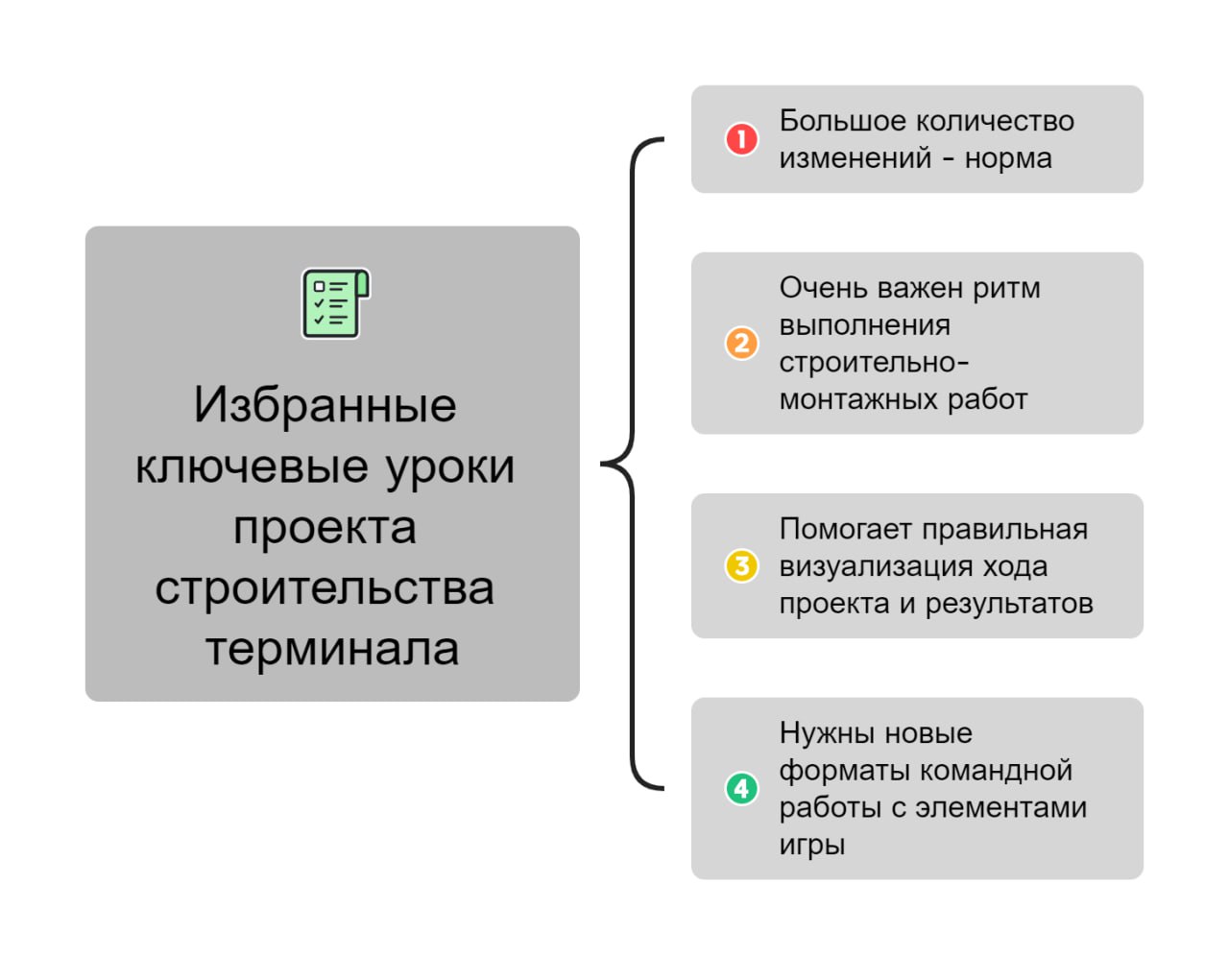
Fig. 1 Selected key lessons from terminal construction
A large number of changes in the project were associated with three aspects. First: the desire of shareholders to attract the most profitable retail tenants to the terminal. As a rule, this led to the need for technical changes. Second: a conflict with the general contractor, his subsequent pre-bankruptcy state. Third: tight budget and search for compromise options on technologies/systems.
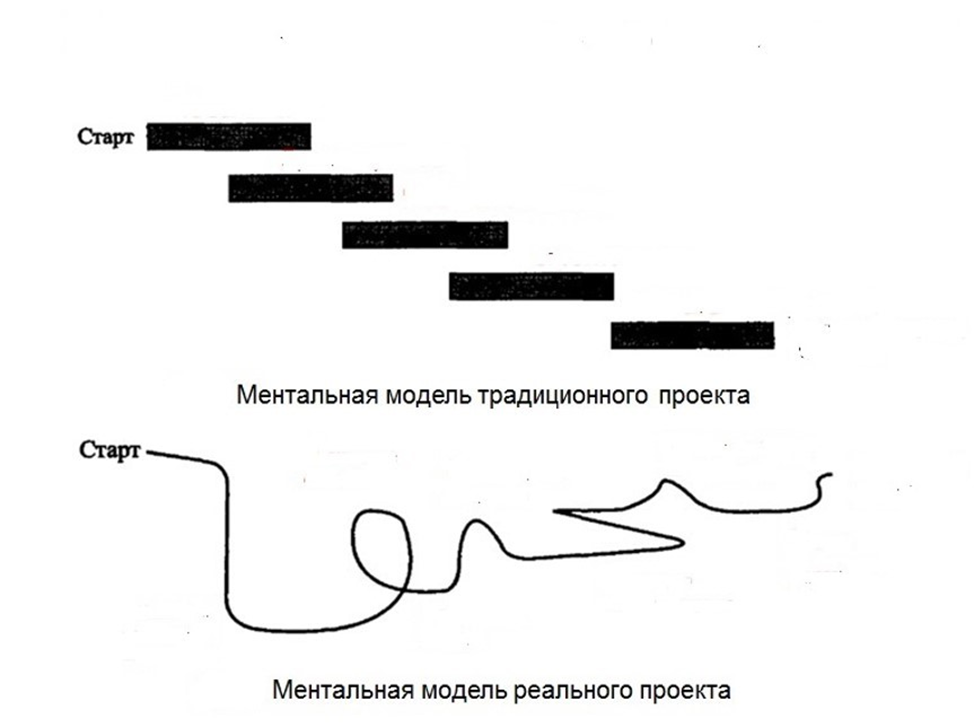
Fig.2 Mental model of a real project
In the next project for the reconstruction of the international terminal, I tried to take into account the lessons learned, as well as the experience of using flexible methodologies of the Agile framework. I didn't know about the term "hybrid project management"; I acted rather intuitively. What was done?
First, the project team and a number of experts were trained in the Scrum methodology. The typical exercise "creating airplanes" went off with a bang! among the airport workers. Requirements for the project team are formulated and Scrum rituals are explained. The curator of the project in the position of deputy director of the airport became, with his consent, the product owner. At the same time, the team studied the intricacies of the classical approach, including the critical path and scheduling and network planning.

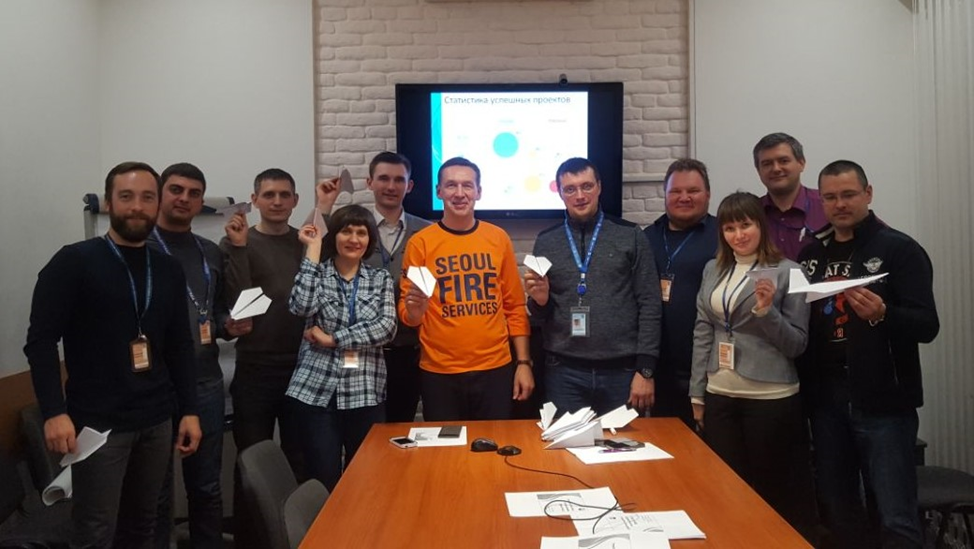
Fig.3 Training the project team in the intricacies of Scrum
Next, with the help of the stand, a project roadmap was generated to control the overall deadlines and take into account all the necessary work. The source of data was the schedule network model of the project. This project artifact was responsible for the "classical" construction project approach. On the other hand, a reconstruction project involves a greater degree of freedom in terms of construction technologies and a smaller number of mandatory regulatory documents. More possibilities for a "hybrid"! The roadmap is marked with sprints.
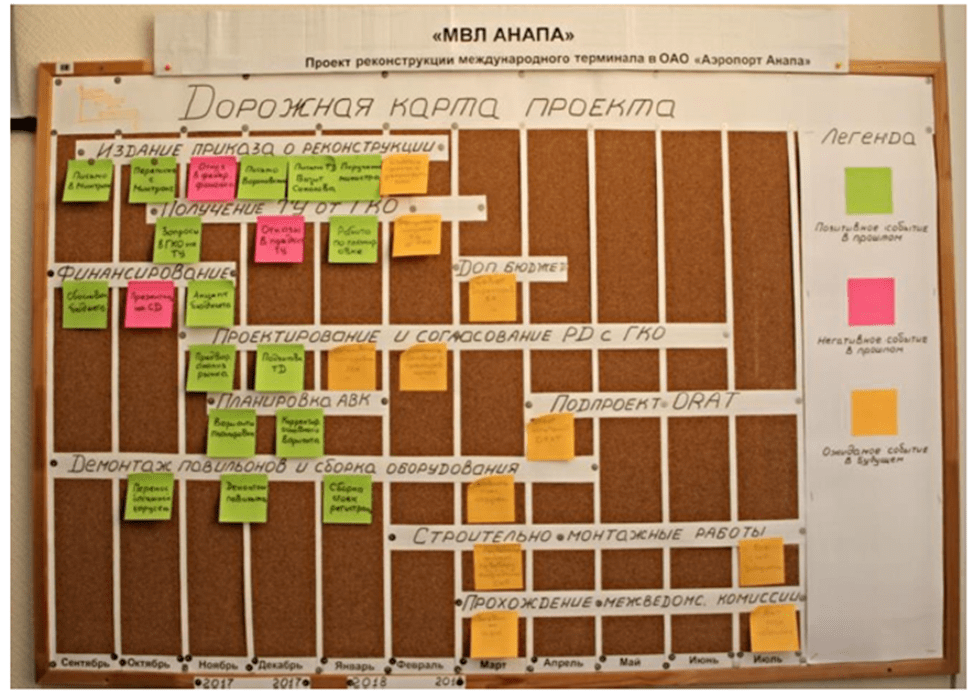
Fig.4 Project roadmap
The team created a project backlog (requirements log) based on the collection and analysis of stakeholder user stories. The backlog partially eliminated the need to prepare technical specifications. The backlog became the source of information for populating the Kanban board.
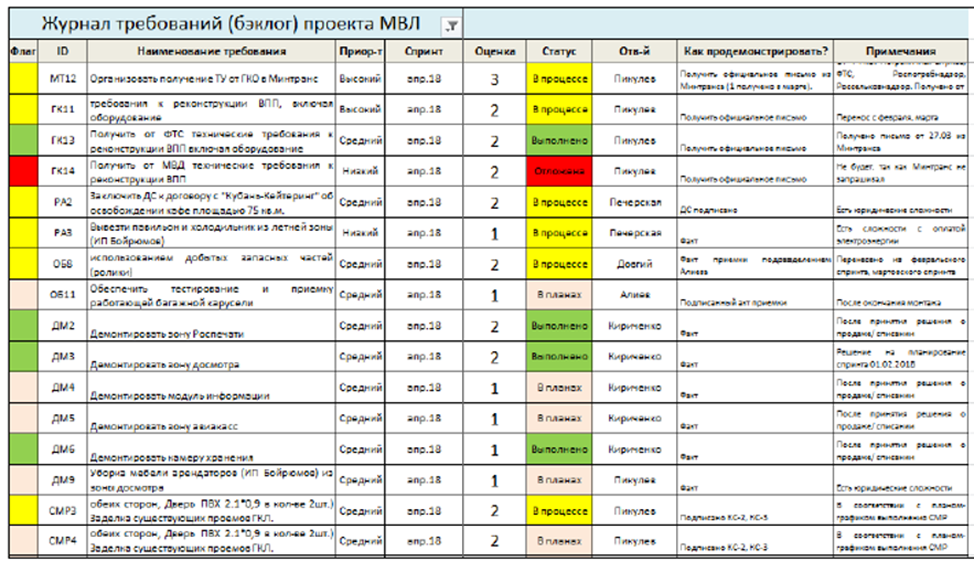
Fig.5 Project backlog (fragment)
Next to the project roadmap, a Kanban board was created in a similar format, which contained information about the goal of the current sprint, current sprint tasks in the matrix of individual project areas and in terms of work statuses "in plans," "in progress," and "ready." The Kanban contained a sprint burndown chart. The project team held stand-up Scrum meetings at this board every day. He retained the role of Scrum Master.
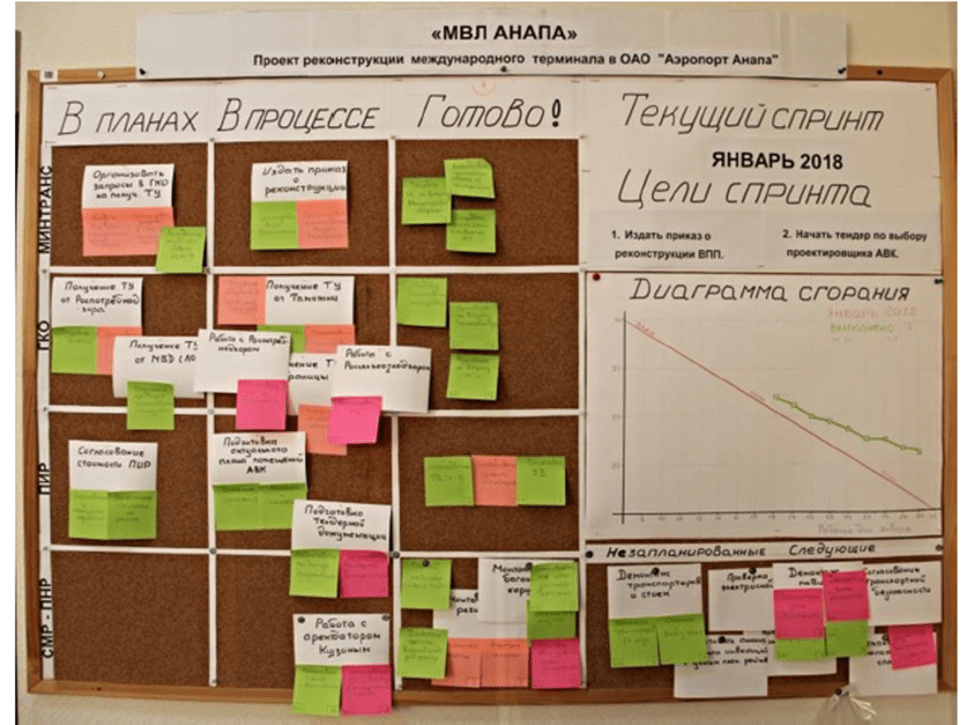
Fig.6 Project Kanban
Simultaneously placing two "radiators" side by side, namely the kanban and the roadmap, helped not to forget anything and link iterations with the long project cycle. A few months later, for convenience, we moved the kanban from the headquarters to the construction site and began holding scrum meetings with the participation of contractors.
The main results of this approach to project implementation are as follows:
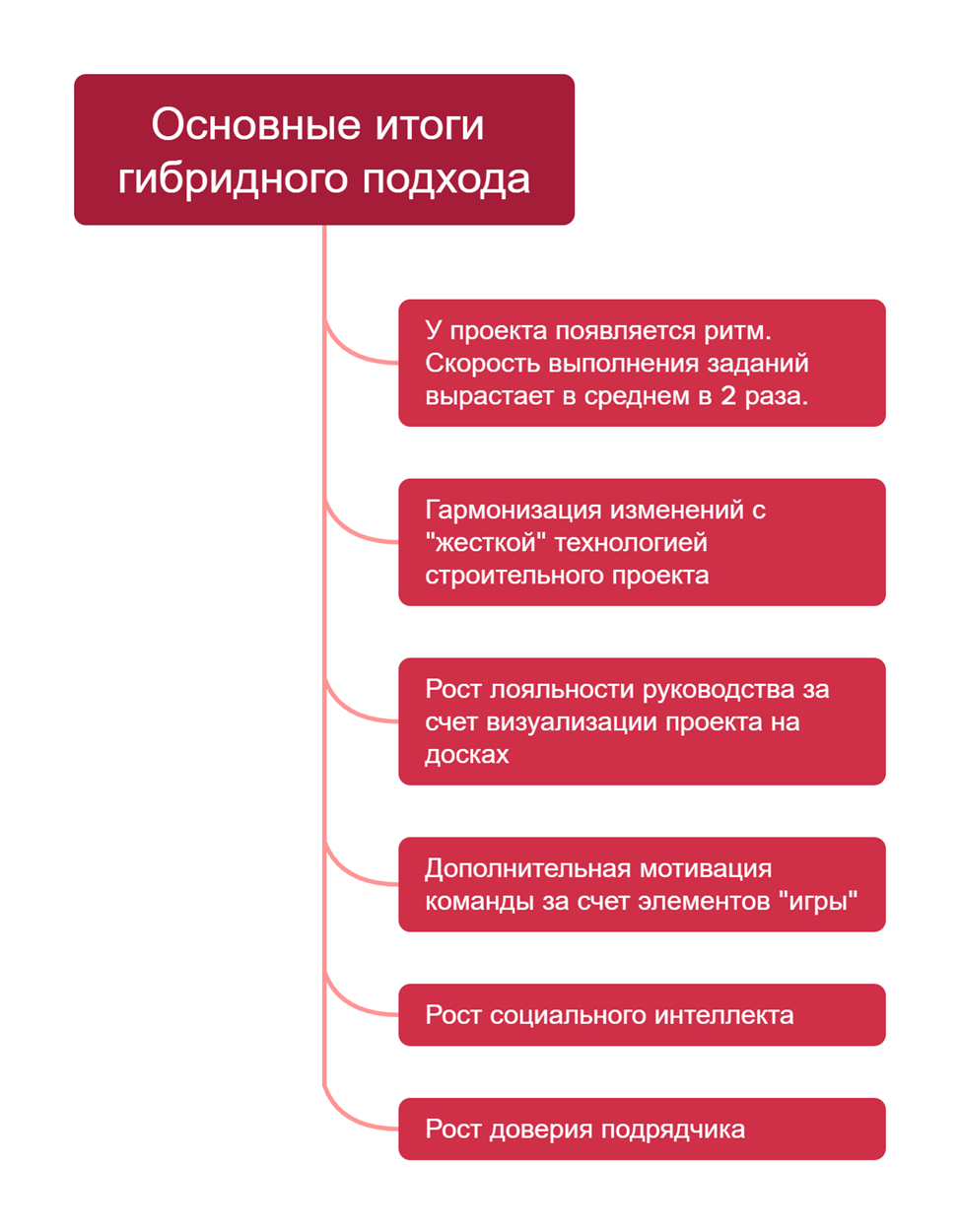
Fig. 7 Main results of the hybrid approach
As a summary, I would like to note that the "hybrid approach" is quite applicable to the management of large-scale projects and megaprojects. Increases the value of project management in general. The main observations in the article were previously reported at an international conference and webinars by PM Expert with the constant interest of listeners.

Project management in construction allows you to actively apply various proven approaches and tools for project management: from economic contracting to continuous construction. Moreover, this knowledge is often in demand at the management level of large-scale projects and megaprojects. For knowledge, come to the company's courses PM Expert.