
Megaproject of the Circum-Baikal Railway: Golden buckle of the Russian steel belt
01.04.2026

In the tradition of the akyn poet, "what I see, I sing about," last week I was delighted with another Russian megaproject and the details of managing a large construction project. We are talking about the Circum-Baikal Railway - the most expensive and risky railway project of Tsarist Russia.
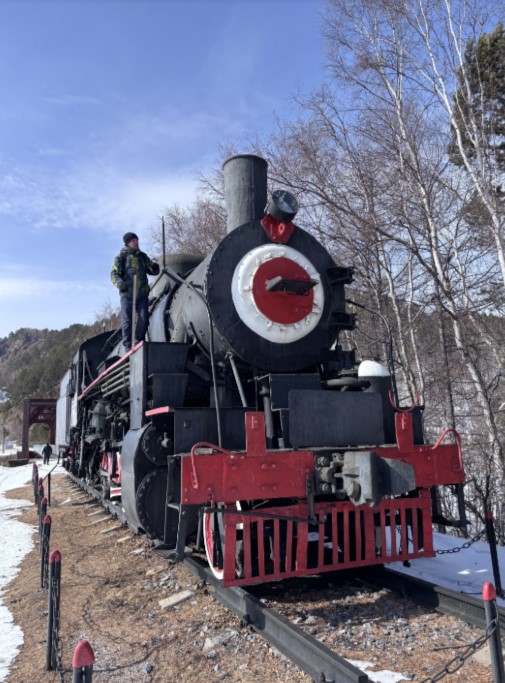
The conditions for the implementation of this project are very reminiscent of our troubled times. The need to build a powerful transport corridor to Asia, the development of the Far East, the solution of military supplies and the transfer of troops on the eve of and during the Russian-Japanese War. The headlines of many world newspapers at the beginning of the twentieth century, speaking absolutely without exaggeration, followed with shudder and curiosity the construction of the Circum-Baikal Railway (CBR). The main purpose of the construction was the need to connect the Central part of Russia and the Far East using the Trans-Siberian Railway.
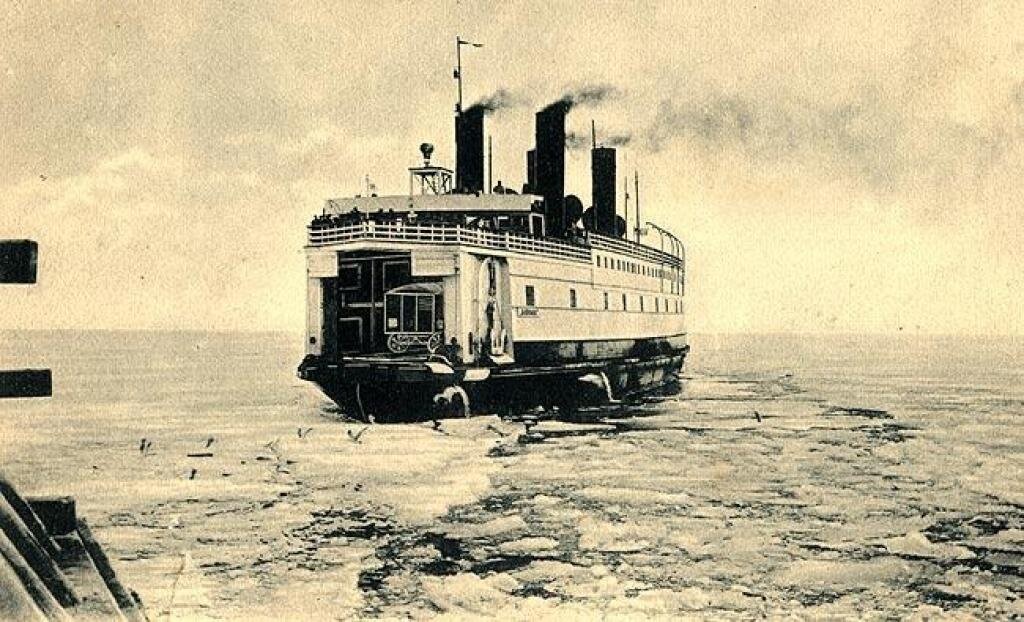
But on the way to completing the construction there was a natural obstacle that was insurmountable at that time - Lake Baikal, the largest in the world. The initially organized ferry crossing using the icebreaker-ferry "Baikal" ordered in England, and then the second icebreaker "Angara", could not fully solve the complex problem of transporting goods and people. There was an urgent need to come up with something else.
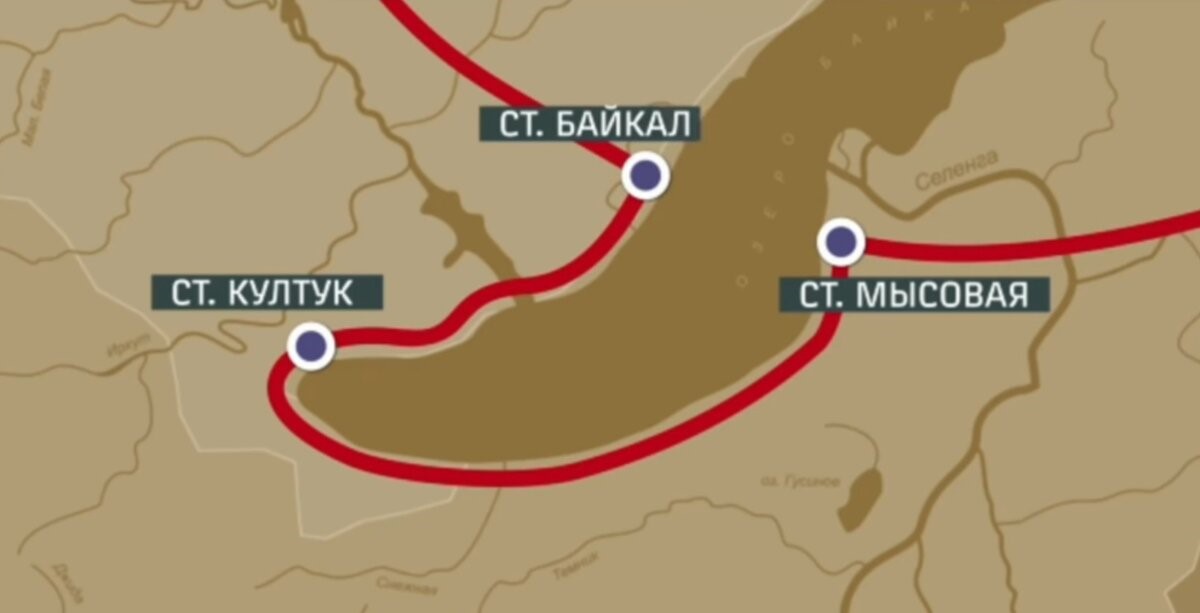
Therefore, it was decided to go around the lake, choosing the shortest southern direction for this. A new railway was supposed to run from Mysovaya station to Baikal station. Survey work and design on Lake Baikal began back in 1887 and continued for 13 years until 1900. Baikal is surrounded by mountains, it has more than 300 tributaries from different rivers - this is an extremely difficult area for laying a railway track.
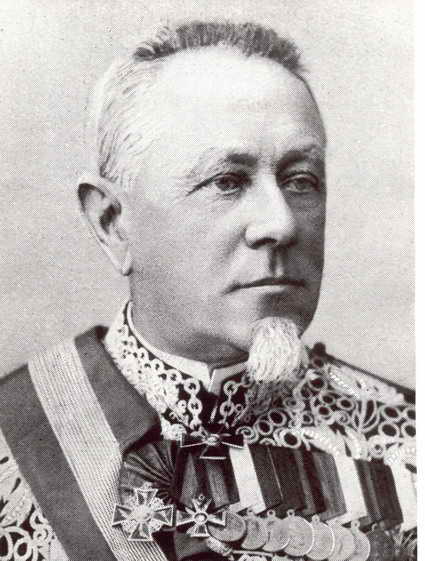
Construction began in 1901. The construction of the Circum-Baikal Railway was supervised and the project management team was headed by the famous Prince Mikhail Ivanovich Khilkov, being at that time at the age of 70, he spent all his time at the construction site. The amazing fate of the man, thanks to whom the construction of the Circum-Baikal Road took place.

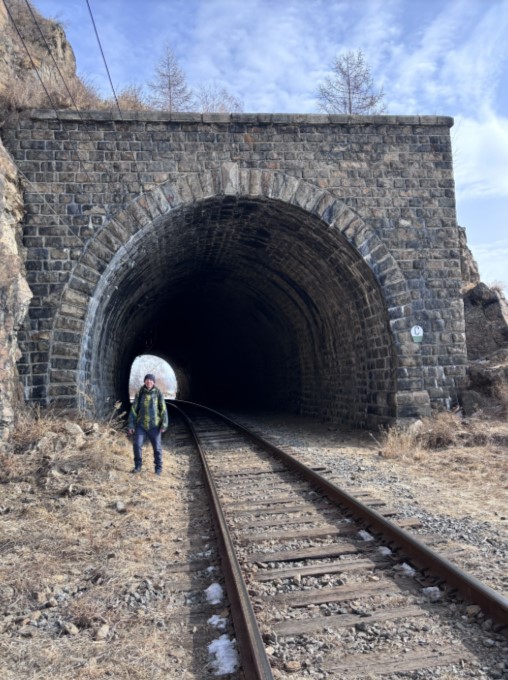
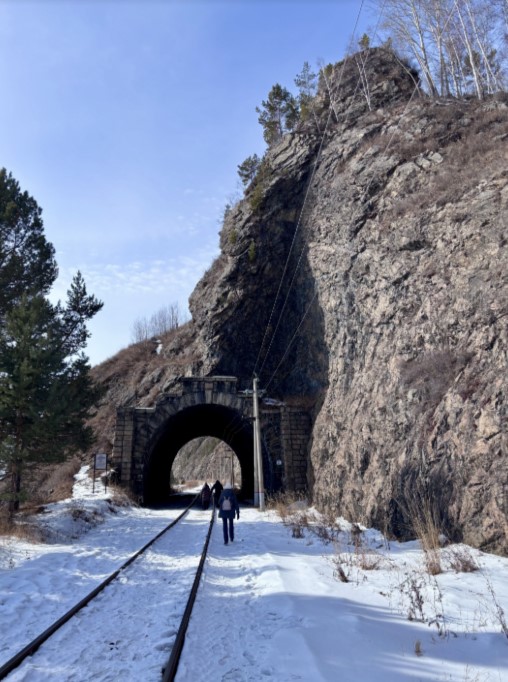
To lay tracks in this section, it was necessary to build a lot of bridges, landslide galleries, retaining walls, and including another 39 tunnels. Due to the threat of constant collapses, the construction of tunnels in accordance with the schedule network model was carried out very slowly, no more than 96 cm per day. Although the technology of that time already made it possible to build tunnels at a speed of up to 4 meters per day. The so-called "Belgian" tunneling technology was used. Mostly hand tools were used - jackhammers, picks, shovels. It was almost impossible to bring heavy equipment to the site.
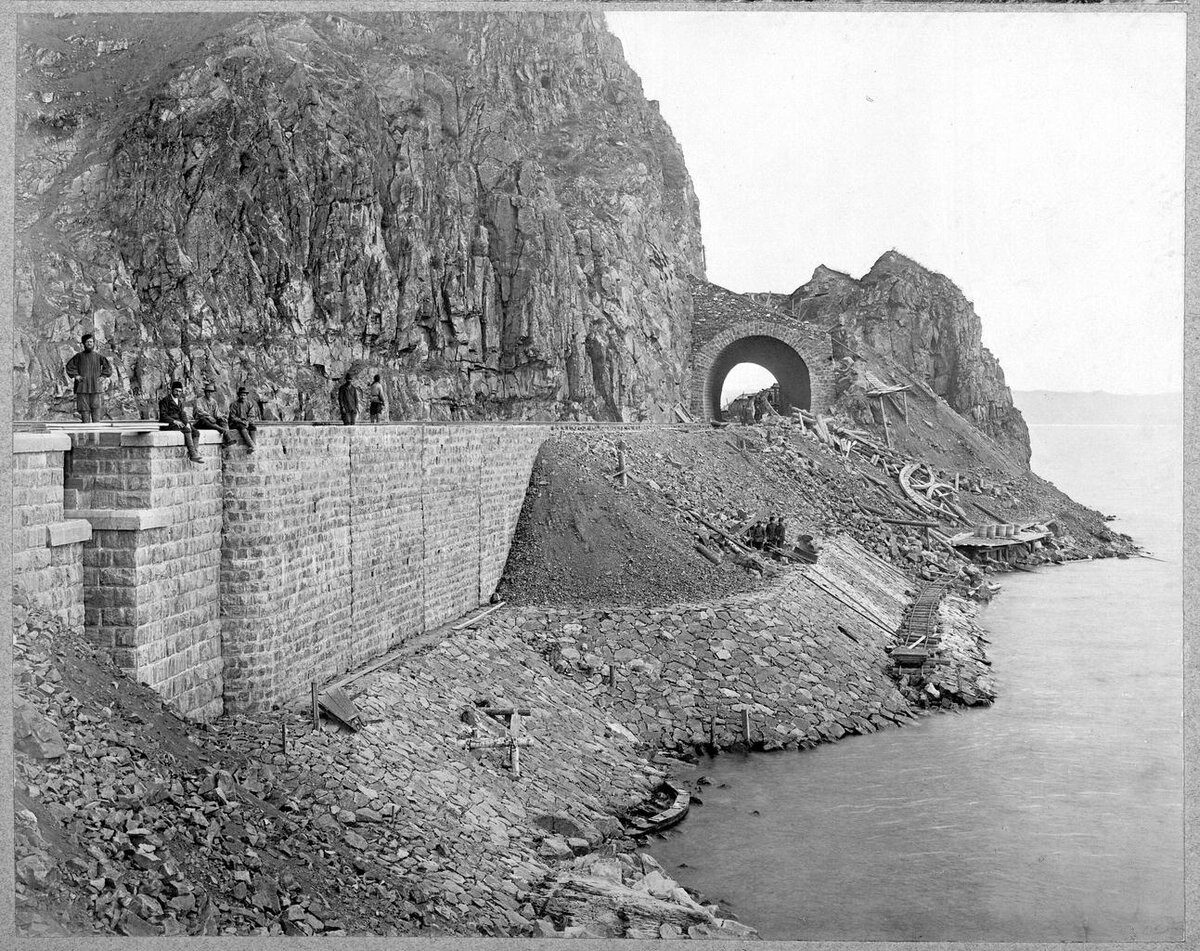
Project management methods were complicated by problems in recruiting personnel to the construction site. The conditions were extremely difficult, people slept in dugouts, walked from one area to another through the mountains, and there were considerable distances to the nearest settlement. Italians were hired to build tunnels with the condition that they would teach this art to the Russian people. Until now, the tunnels and galleries are technologically functional and look beautiful.
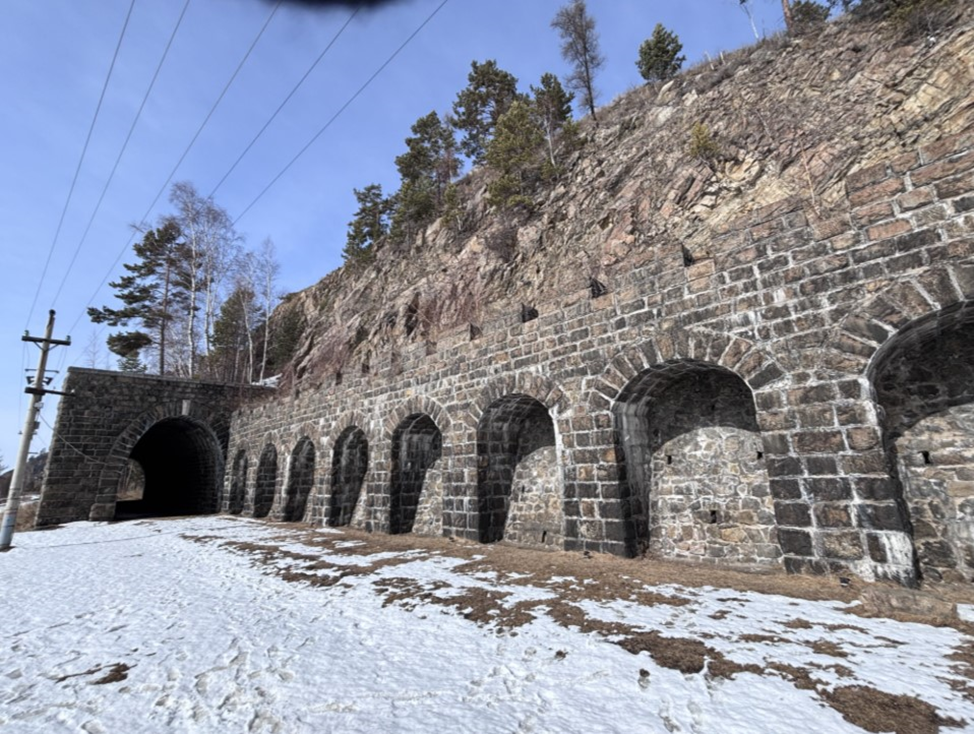
Most of the Circum-Baikal route is laid along the so-called "rock shelf". The builders had to literally bite into the rocks, fighting the elements, so that, given such a difficult terrain, they would eventually lay a path here. Directed explosions were used where possible. Moreover, this required much more dynamite than was required on some other projects. A total of 300 tons of explosives were needed to construct the galleries and tunnels.

The builders managed to lay two hundred and sixty kilometers of the Circum-Baikal Road in just 4 years. On September 13, 1904, Mikhail Khilkov fulfilled his main dream - with his own hands at the Marituy station he hammered a golden spike into a sleeper, thereby connecting Central Russia and the Far East.
Due to the difficult terrain, the construction of the Circum-Baikal Railway cost the Russian treasury an astronomical 65 million royal gold rubles at that time in the early 20th century.

Despite the opening of the road in September 1904, construction was still very far from being completed. It was necessary to build a second path along the same complex route. It is worth noting that single-track roads were not built under the tsar; all railways were initially built for two tracks or with the possibility of quickly laying a second track (bridge supports and earthen embankments were immediately built for only two tracks). It still took several years from 1911 to 1915 to implement the second stage of construction.
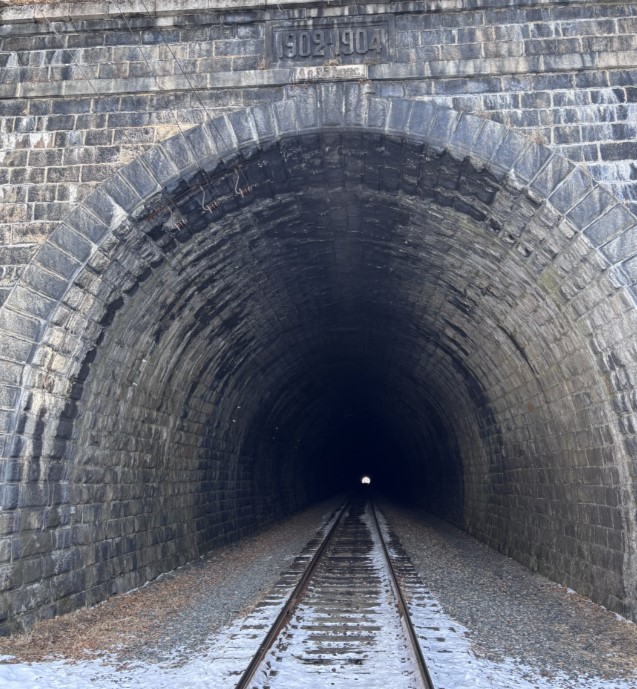
For every 400 meters of the Circum-Baikal Railway there is at least one artificial structure, be it a bridge, a tunnel or a landslide gallery, each of which is individually unique, with an individual design, the creation of the engineers who built this road.

Of course, the case of the construction of the Chinese Eastern Railway should go down in the history of the development of project management in Russia. Before the revolution, according to legend, Emperor Nicholas II himself called the Circum-Baikal Railway "the golden buckle of Russia's steel belt." It pulled together the "steel belt of Russia" - the Trans-Siberian Railway, thereby connecting the central part of our huge country with the Far East. And gold because it turned out to be the most expensive of all railway projects in the history of Tsarist Russia.
Now the Circum-Baikal Railway operates in a limited version, but that's a completely different story!
Sources of information:
- Alexander Khobta. A century-long road: an album guide to the Circum-Baikal Railway for the 100th anniversary of the Circum-Baikal Railway. Irkutsk: publisher A.N. Garashchenko, Ottisk, 2004.
- The most expensive and dangerous railway project of Tsarist Russia is the Circum-Baikal Railway.