
Hybrid management in megaprojects: rhythm + pace = victory!
18.02.2026

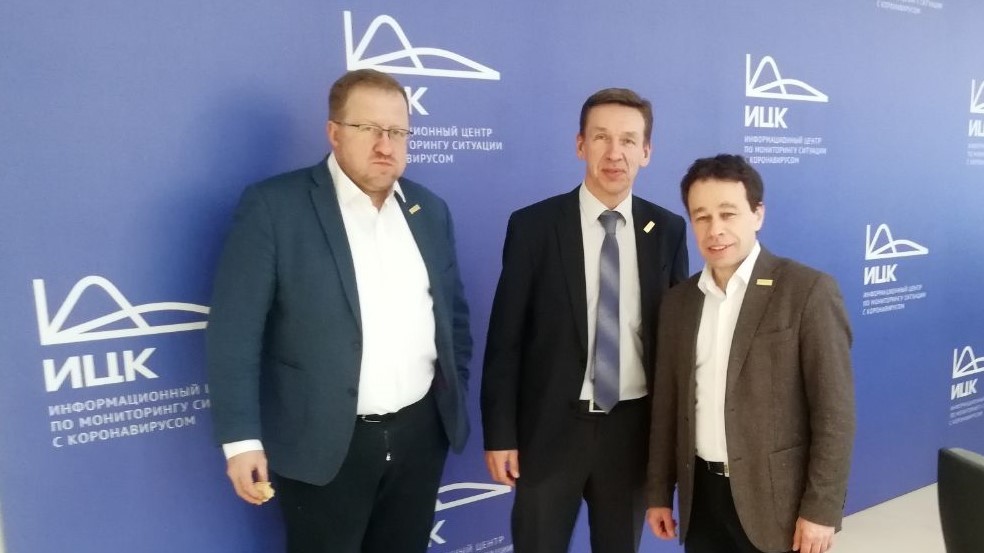
The PM Excellence team led by A.S. Kutuzov, PME in March 2020 participated in the project to launch the Information Center for monitoring the situation with coronavirus infection (ICC).
The team noted the ICC project with specific characteristics:
- The social significance of ICC in the context of the coronavirus pandemic.
- Support from the Government of the Russian Federation.
- Ultra-short project launch time - 28 hours.
- Demonstration of the project to the country's top officials.
The future success of the project was determined by the tandem of managers who chose a hybrid approach to project management. A flexible approach (Agile) on the first day of the project made it possible to reduce the uncertainty of customer requirements. Project managers set a clear rhythm for the project through two-hour iterations. Managed team conflicts during brainstorming sessions. The classic approach at night and on the second day of the project made it possible to powerfully implement the conceived construct in parallel streams.
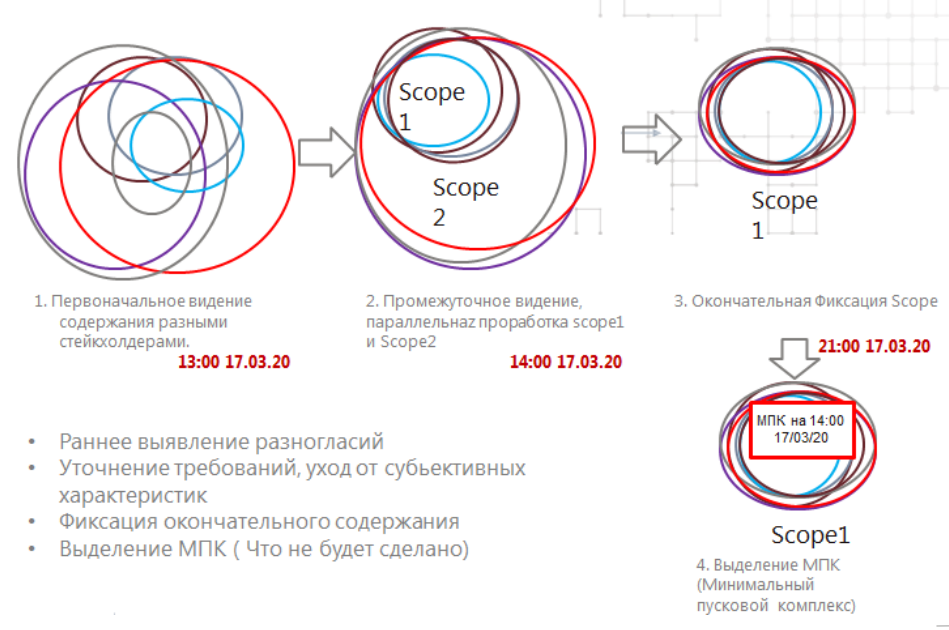
Fig. 2 Progress in defining content in the ICC project
By the evening of the first day, the team had determined the minimum launch complex and organized cascade work on streams. To control quality and validate stakeholder expectations, project management established a schedule for project testing or training every two hours. Work on the project was carried out without interruption even at night. By 1 p.m., the team had fully completed internal testing. At 2 p.m. on March 17, the planned opening of the information center for monitoring coronavirus infection took place with the participation of Russian President V.V. Putin.
Five years later, hybrid management is becoming the norm for managing complex projects. Based on annual large-scale surveys of Russian project managers conducted by the Skolkovo School of Management headed by Professor Pavel Alferov in 2024-2025, the number of projects that are managed using a hybrid approach is stable in the region of 65 - 71%.
The 2025 study shows 65% (Figure).
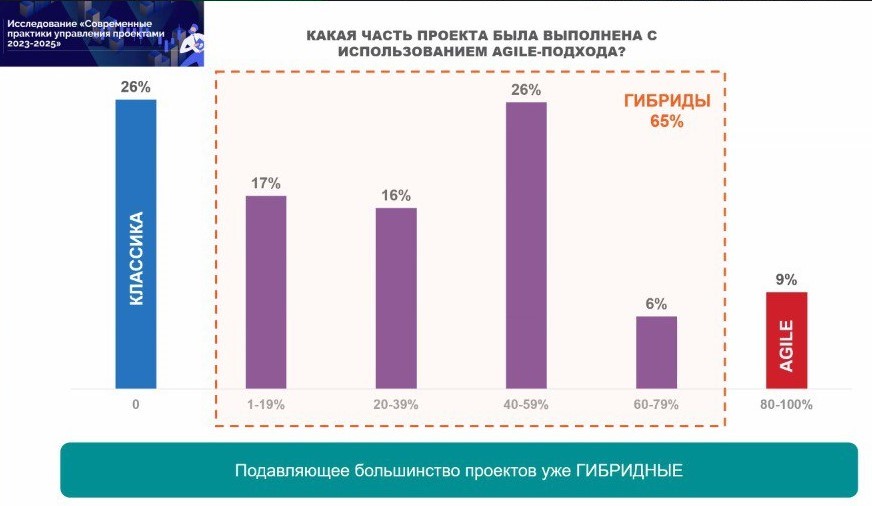
Fig.3 Statistics on the use of approaches in 2025
84% of participants agree that a hybrid project is a combination of classic and flexible tools. The combination methods vary: 48% use the classic approach (Waterfall) at the top level, and the flexible approach (Agile) at the bottom, 26% alternate approaches during the project, and 25% use one method, supplementing it with elements of another. 99% of webinar participants consider the hybrid approach useful for project success!
Traditionally, there are more hybrid projects in the IT industry, including large-scale projects for the construction of data processing centers, telecommunications, etc.
In second place are organizational projects that have a certain flexibility.
In third place are R&D projects.
In last place are investment and construction projects, the flexibility of which is due to objective factors, such as well-developed technology, a large number of regulatory documents, a strong regulatory framework, and industry inertia.
The choice of approach generally depends on the following factors:
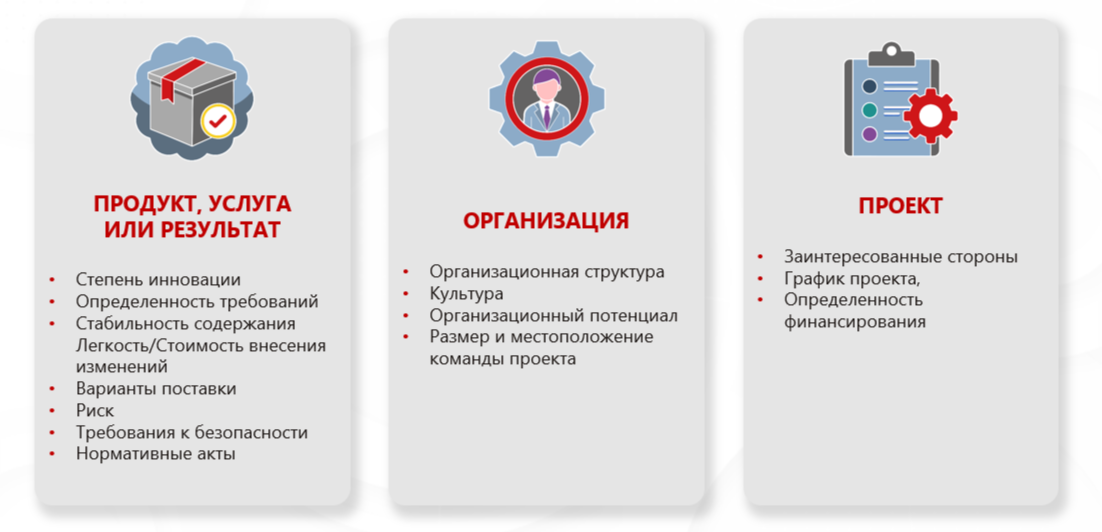
Fig.5 Factors determining the decision on a hybrid approach
The choice is always individual. The hybrid is assembled in a unique way for each specific project. The hybrid project manager can use a combination of tools: critical path promotion and sprints; grooming and responsibility matrix; line canvas and Ishikawa diagram. In fact, he can be compared to a forward who can kick the ball with both feet.
In my portfolio there is an interesting successful project for the reconstruction of the international terminal in Anapa using the Scrum methodology in 2018.
Lessons learned from the project showed the following benefits:
- The construction project now has a rhythm; users, on average, solve tasks delegated to them 2-3 times faster.
- Visual monitoring of the project is available at any time. The project owner is better informed.
- Through flexibility, you manage change, including the traditional flexible approach of "sharing" work content at the request of the customer without adjusting deadlines and budget.
- The team gets additional motivators due to visualization and gamification.
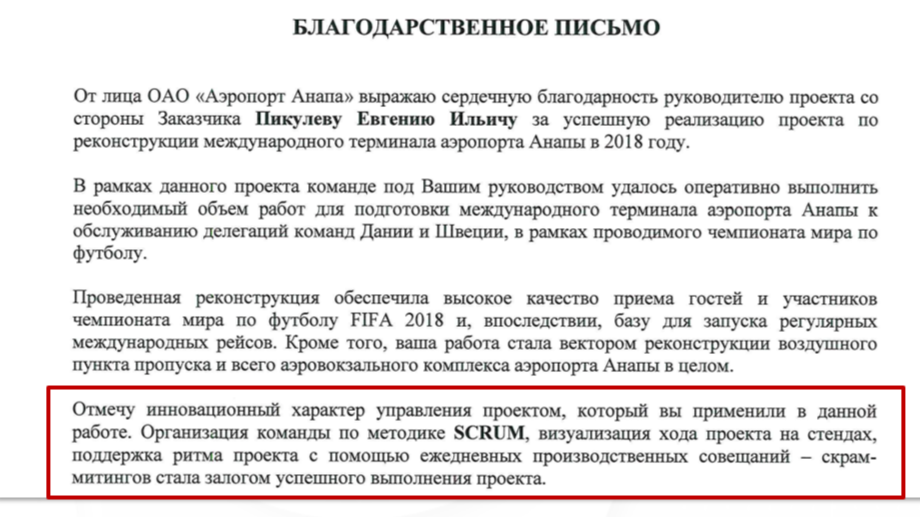
Fig.6 Fragment of a letter of gratitude following the results of a hybrid project
Based on statistical data, the hybrid methodology can already be considered leading in the Russian project management market. The reason is that modern projects are carried out in conditions of high volatility of requirements and expectations, a large number of stakeholders, significant uncertainty, and serious restrictions.
The mental model of a single "pure" methodology does not work in some projects. The actual project model resembles a "twisted spaghetti", which suggests a hybrid or combination of approaches, as professional leaders of the USSR era said.
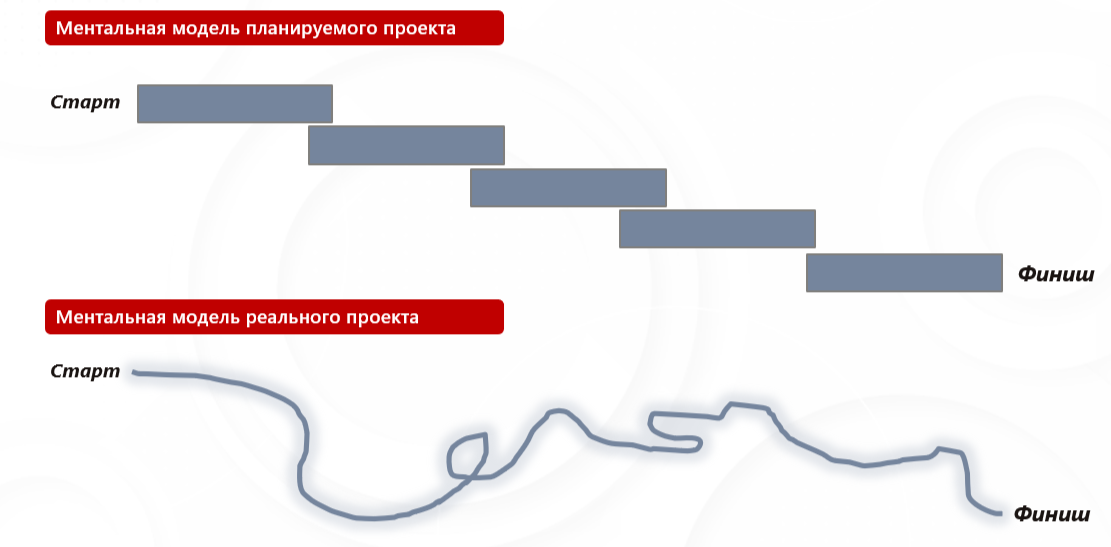
Fig. 7 Comparison of mental models
At the "Project Management 2025" conference, they noted that the key trend in the world is adequate to the approach: dogmatists are being replaced by "hybrid managers" (Ambidextrous Managers), managing the result, not the method.
Pavel Alferov, professor at the Skolkovo School of Management, at a webinar on February 5, 2026, announced the preliminary conclusion of his research, in which more than 300 project managers took part.
The output is as follows:
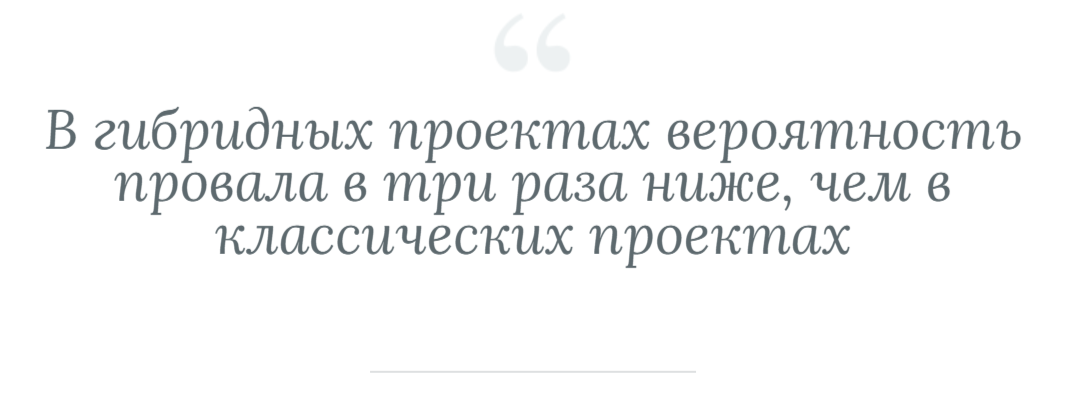
The results of the study will be officially published later. I am inclined to trust these numbers.
Of course, the hybrid method of managing complex projects, including megaprojects, will be actively used and developed, since, in my humble opinion, it has ten key advantages (Figure).
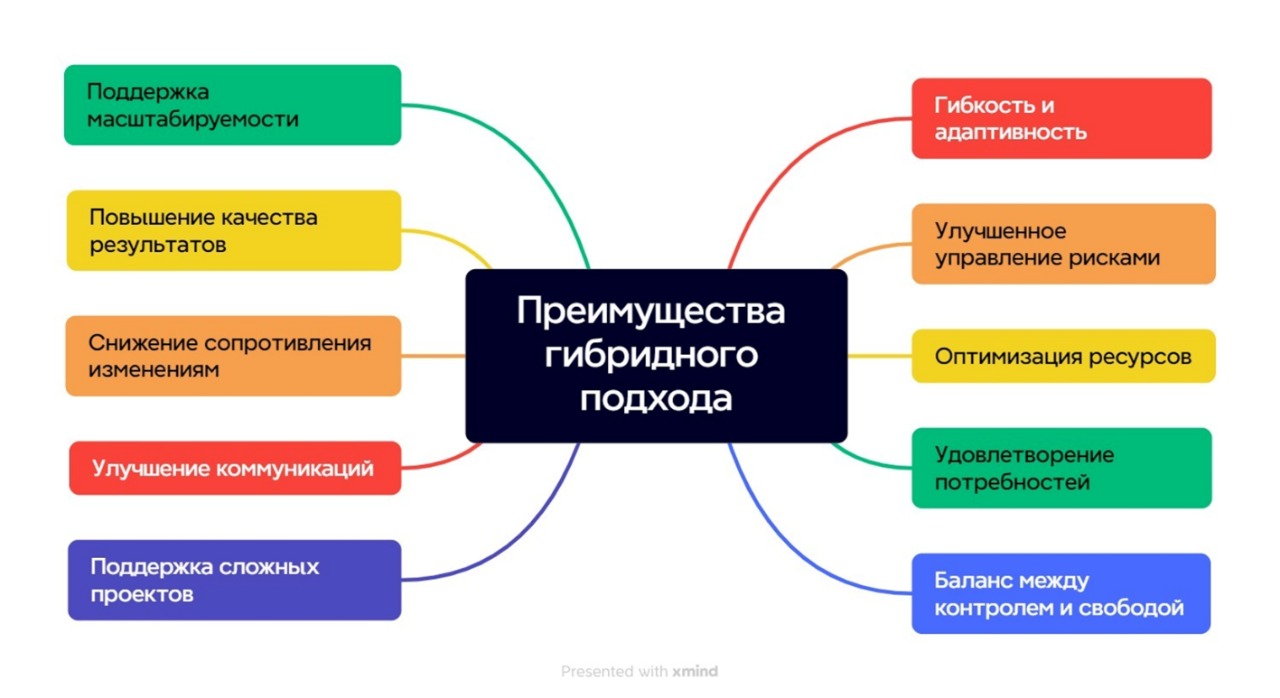
Fig. 8 Key benefits of the hybrid approach
Fundamentally, hybrid project management strikes a balance between large-scale project structure and flexibility, making it an effective tool for modern projects with diverse stakeholder requirements and volatile customer expectations.
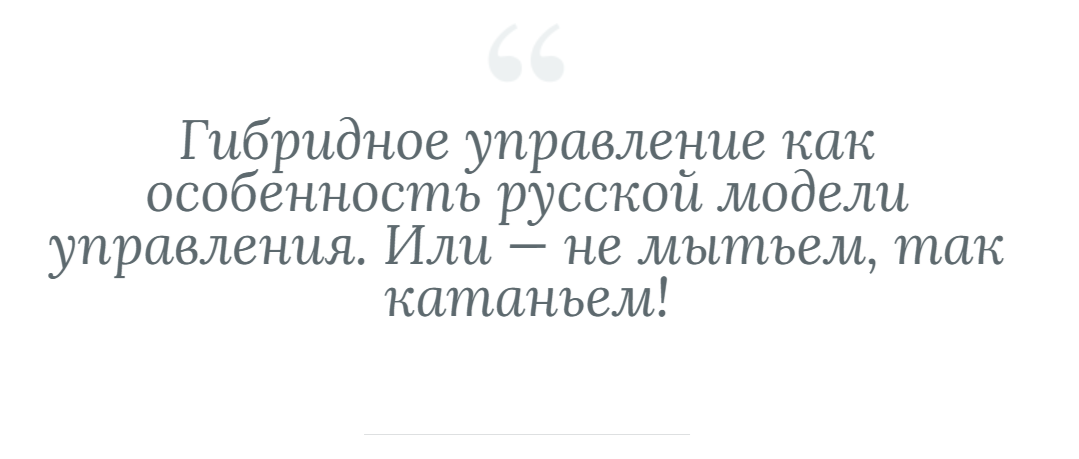
In conclusion, my favorite life analogies. The great director Konstantin Sergeevich Stanislavsky said:
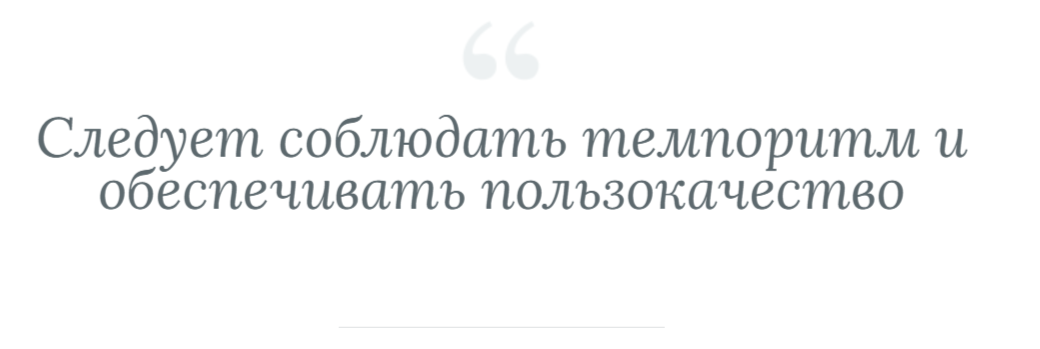
Tempo and quality of use are new words that perfectly consolidate the key parameters of a classic project (pace, quality) and a flexible project (rhythm, benefit). This is the literary slogan of applying a hybrid approach from the genius of the theater.