
- Home
- News
- Articles
- All Articles
- Foreign experience in project management
Risk management of the Tokyo 2020 Olympic infrastructure project
14.08.2025

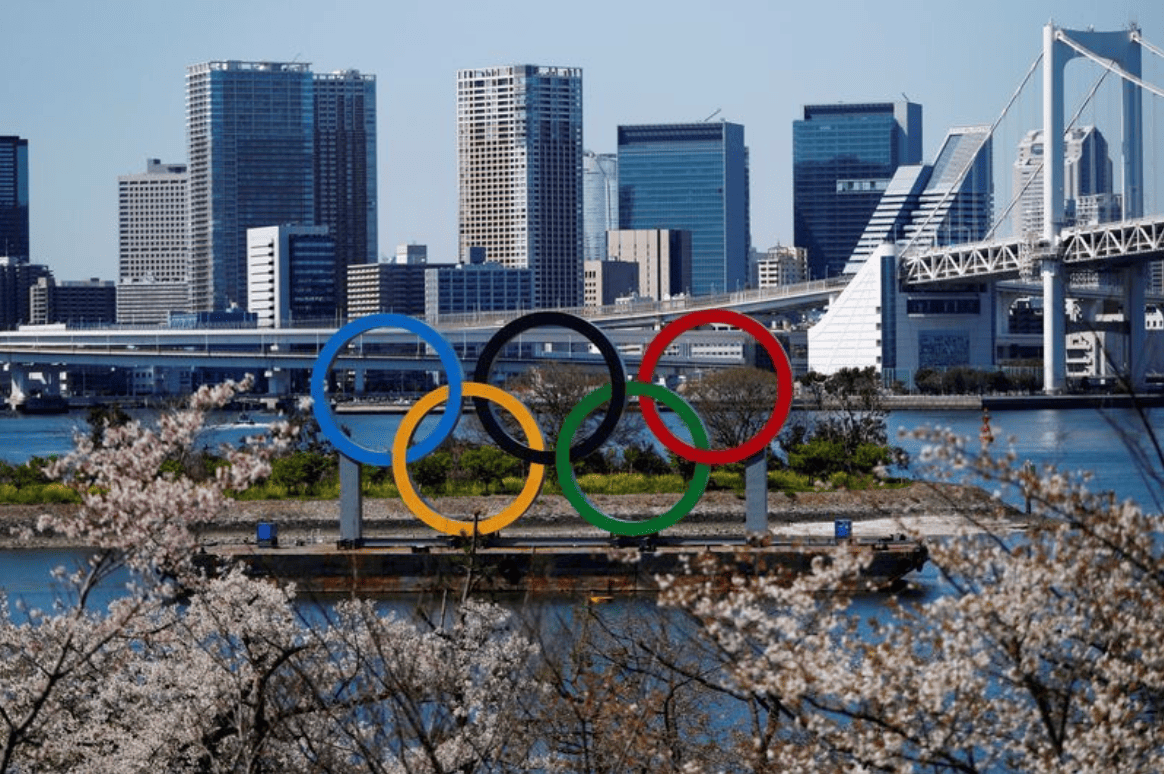
Introduction: a megaproject with unique challenges
Preparing the infrastructure for the Tokyo Olympic Games (officially Tokyo 2020, held in the summer of 2021) was an unprecedented mega-project with many risks. Organizing the Olympics has traditionally been extremely difficult: every Games since 1960 has exceeded its original budget, with an average cost overrun of 156%. Tokyo hoped to demonstrate to the world Japan's technological power and efficiency, but was faced with a global pandemic and other force majeure. The project included the construction of new sports facilities, the renewal of urban infrastructure and the coordination of thousands of events. The key risks for this project and how they were managed using risk management standards are discussed below.
Main project risks
COVID-19 Pandemic: The most acute risk that materialized in 2020. The games were postponed for a year - for the first time in history - to protect the safety of participants. This decision saved the project from cancellation, but created new problems: political disputes, loss of ticket revenue and additional costs for security measures.
Logistics and organizational risks: The Olympics required the coordinated construction of 43 facilities (including 8 new permanent arenas, 10 temporary structures and 25 reconstructed sites), as well as the modernization of the city's transport network. The tight preparation time frame posed a risk of schedule disruption. For example, the Olympic Aquatic Center was barely completed in time for the start of the competition. Supply chains have also faced disruptions, with the pandemic making it difficult to import equipment and materials. In addition, a year before the Games, a number of corruption scandals occurred in the organizing committee, which led to resignations (including the head of the organizing committee, Yoshiro Mori) and required a reorganization of management.
Political pressure and social risks: The Olympics project took place under the close attention of the public and politicians. At the height of the pandemic, more than 80% of Japanese opposed holding the Games in 2021, fearing for public health. Despite protests from citizens and warnings from doctors, the government and the IOC insisted on holding it, largely to avoid colossal financial and image losses from cancellation. This decision increased reputational risks: the Tokyo Olympics were called "a $6 billion party for the people, to which the people themselves were not allowed." During the days of the competition, a wave of protests swept through the city, and public confidence in the authorities decreased. Politically, the project became a test for then-Prime Minister Yoshihide Suga and Tokyo Governor Yuriko Koike. The IOC also suffered a reputational cost: its calls to hold the Games "at all costs" in defiance of local opinion created an image of an organization that puts commerce before public health.
Climate and environmental risks: Summer Tokyo is known for its extreme heat and humidity. In July 2021, temperatures often exceeded +34 °C with high humidity, which led to cases of heatstroke - for example, a Korean archer fainted right at the start of the competition. To reduce the risk to athletes, the organizing committee moved the marathon and walk 500 miles north to cooler Sapporo, Hokkaido. The competition also started earlier in the morning, handing out cooling vests and providing shade in the stands. Another threat was typhoons and downpours: during the Games, the Nepartak storm passed through Japan, forcing the boat race schedule to be adjusted (the finals were moved to other days, and a number of swims were postponed during the day). Plans were prepared in advance in case of earthquakes - all new facilities were designed with enhanced seismic protection, and evacuation plans were developed in case of a tsunami. Environmental risks included water quality: rainfall could overwhelm Tokyo's old sewers and pollute marathon swimming areas. To monitor such threats, authorities deployed high-precision radars and digital flood maps.
Finally, the prolonged pandemic and the postponement of the Games created the risk of non-use of the facilities: environmental efforts invested (for example, building a hydrogen village for athletes, recycling materials) could not be justified if the facilities are not in demand after the Olympics. However, Tokyo 2020 has managed to introduce sustainable solutions - from medals made from recycled e-waste to renewable energy arenas - while trying to minimize environmental damage (though independent assessments of the effectiveness of these measures vary).
Risk management strategies at different stages
The Tokyo Olympics project involved comprehensive risk management strategies covering all phases - from planning to the holding of the Games:
- Risk identification and assessment (planning): In the early stages (2014-2016), the organizers conducted an analysis of potential threats. Strategic, operational, financial, reputational and other categories of risks were taken into account. For example, the Japanese authorities were initially aware of the natural risks and allocated resources to seismic reinforcement of arenas and the development of plans in case of a typhoon. Security and terrorism were also taken into account (after the incidents at the Boston Marathon, etc.) - spending on security and cybersecurity was increased. They also provided for financial risks: to cover possible losses, insurance contracts were concluded (for example, insurance against the cancellation of the Games provided a payment of ~¥50 billion upon postponement). However, some "black swans" were not included in the original plans - the global pandemic of 2020 could not be predicted by any standard risk register.
- Response planning (solution development): For prioritized risks, management strategies have been developed - avoiding, mitigating, transferring or accepting the risk. They tried to mitigate the risk of budget overheating by reducing construction plans: Tokyo minimized the number of new facilities (only 8 new arenas compared to 15-20 at the previous Olympics) and actively used existing sites. The organizing committee also conducted several rounds of cost optimization. So, when the costs of the stadium became unmanageable, a tough decision was made to completely reconsider the project in order to avoid billions in cost overruns.
The risk of extreme heat was addressed by changing the locations and schedule of key competitions (which required coordination with international federations in advance). For the risk of natural disasters, we developed reserve days in the calendar, additional pumping systems in case of rainstorms and training evacuations. When COVID-19 hit, response plans required drastic adjustments, first considering holding it without spectators, then moving it. As a result, a detailed "Plan B" for 2021 was drawn up - the so-called Playbooks, instructions for the safe conduct of the Games for athletes, staff, press, etc. These guidelines included scenarios for outbreaks of infection, quarantine protocols and the redistribution of responsibilities between the IOC, the Japanese government and city authorities.
- Implementation and monitoring of risks (during construction and the Games): At the stage of project execution, risks were constantly monitored and plans were adjusted. A project management office was deployed under the Tokyo government, which coordinated hundreds of sub-projects (building arenas, laying roads, updating transport, etc.). The project office integrated schedules, monitored interdependencies and promptly intervened in case of deviations. For example, when the construction of the metro line to the Olympic Park was delayed due to financial difficulties, it was decided to cancel one station and organize transportation by buses - thereby reducing the risk of the entire line not being ready for the start of the Games. Meetings were held monthly with the participation of the IOC (so-called project reviews), where the Japanese side reported on the status of preparations and emerging problems. Such monitoring made it possible to signal problems in advance: for example, back in 2019, the IOC recommended that Tokyo strengthen plans in case of lack of snow (for the Winter Olympics) and similarly in case of epidemics, based on the experience of the Zika virus in Rio 2016. During the 2021 Games themselves, multi-layered risk control was in place: an operational headquarters consisting of representatives of the organizing committee, government andThe IOC analyzed the situation daily (COVID incidence, weather reports, safety). Thanks to this, measures were taken in real time: for example, competitions were postponed (in the mentioned case of a typhoon, rowing and shooting were moved to other days), medical teams were strengthened on hot days, and sick participants were immediately isolated.
Lessons for future megaprojects: The Tokyo 2020 experience has become a valuable case study. The organizers of the next Olympics are already drawing conclusions. Paris claims tight budget control and reuse of 95% of existing properties - largely inspired by the Japanese model of minimizing new construction. Another lesson is the importance of sharing risks between parties. In relation to the Olympics, this means attracting insurance, sponsorship, and new financial models so that the host city does not remain in debt.
Finally, Tokyo has shown the value of sustainability and innovation. Where risks cannot be eliminated, the project's ability to withstand shocks must be improved. The Japanese managed to hold the Games without spectators, shifting the focus to television and digital audiences - and this in some ways maintained global interest (hundreds of millions of people around the world watched the opening ceremony, seeing fireworks over an empty stadium as a symbol of hope). The world saw that the Olympics can be adapted to any conditions if flexibility is built in in advance.
Conclusion
The Tokyo 2020 Olympic infrastructure project tested the strength of risk management systems. He confirmed the well-known truth: megaprojects are never without risks, but competent risk management allows you to turn threats into manageable tasks. Tokyo has faced almost everything imaginable - from financial turmoil to the forces of nature and a global pandemic - and managed, albeit at great cost, to bring the project to a successful conclusion. At the same time, there were also mistakes that revealed gaps in the approaches.
Sources:
- Financial Times: analysis of Olympic costs theguardian.comlatimes.com
- The Guardian: reporting on the Games during a pandemic theguardian.comtheguardian.com
- The Japan Times/Bloomberg: On the political stakes and risks of hosting the Games japantimes.co.jp
- The Asahi Shimbun: Cost Audit Report Data asahi.comasahi.com
- AP News: Update on Games postponement and associated costs washingtonpost.comlatimes.com
- Reuters: material on the impact of heat and typhoon on the Olympic schedule reuters.comreuters.com
- Project Management Institute (PMI): Lessons in Olympics Project Management pmi.orgpmi.org
- Institute of Risk Management: analytical review of Olympic risks theirmindia.orgtheirmindia.org
- Official reports of Tokyo 2020 and the IOC: financial results and facilities information