Is the head of a megaproject a conductor, a fireman or a pacemaker?

For professionals, project management methods become a habit and are inherited genetically. That is why, even in his personal life, the manager of a large-scale project builds network diagrams, systematically manages risks, and writes down lessons learned. My friend, preparing for the wedding, developed a schedule network model of the event, calculated the critical path of the project and... everything turned out successfully.
Sometimes a hobby helps a project manager take a fresh look at established things. For example, a passion for running not only helps you stay in good physical shape, but also gives rise to a lot of project associations. One of them is the belief that the marathon is a team sport, because over such a long distance, as in a megaproject, you need to feel the shoulder (or elbow) of the team. But now a little about something else.
The science of winning megaprojects is developing rapidly, and now the classic analogy of a project manager with an orchestra conductor does not suit everyone (especially those who prefer jazz). The firefighter analogy is confusing because of its lack of planning and focus on managing problems rather than managing risks. Sport comes to the rescue.
An interesting analogy between sports and project management lies in the role of pacemakers. If you know anything about the need to maintain the rhythm of project management, then you will agree that there must be professional people who know how to do this correctly. These people in running are called pacemakers.
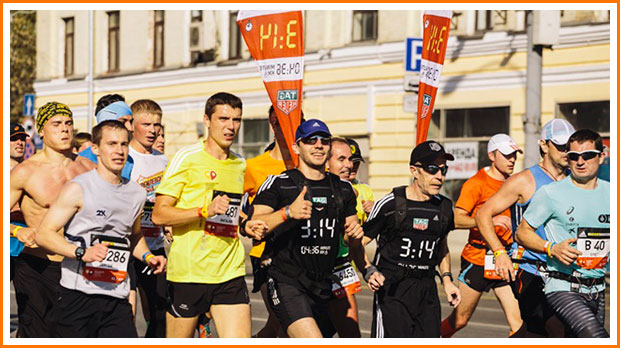
Let's look at their functions in more detail and note in parentheses the analogy with project management and megaprojects. So, the key competencies of pacemakers. I counted as many as twelve.
1. Professionals in their field
Pacemakers have run many half-marathons and marathons (successfully completed many large-scale projects and megaprojects). They usually have many years of experience working in different settings.
2. They know how to keep the pace
The main task of pacemakers is to maintain a given pace (the rhythm of the project), which disciplines the team gathered around them and increases their chances of finishing on time (successfully completing a megaproject).
3. Great communicators
The purpose of pacemakers is to use personal example, energy, and enthusiasm to motivate people and bring them to their designed capacity (to create a team that will complete the project). People, most often beginners, should be imbued with their energy, love running and take to new heights (not be afraid of future projects).

4. Player coaches
Pacemakers are not abstract figures, they are here, together with you (in the field, on the gem), overcoming the same obstacles, jumping through the same puddles. They manage risks, problems and any changes at a distance (in the project).
5. Prepare for extreme situations
Based on their experience and with the help of special training, pacemakers must help their surroundings in extreme situations, for example, injuries, hitches, inappropriate behavior of fans (crisis management or extreme project management by Doug De Carlo).
6. Have a plan for leaving the race
Pacemakers can recognize the symptoms of team members and help some of them quit the race (freeze/postpone the project).
7. Psychologists
Pacemakers provide psychological assistance in motivating those around them to achieve results, eliminate doubts and give confidence. In many long, large-scale projects and megaprojects this function is in great demand.
8. "They take the fire upon themselves"
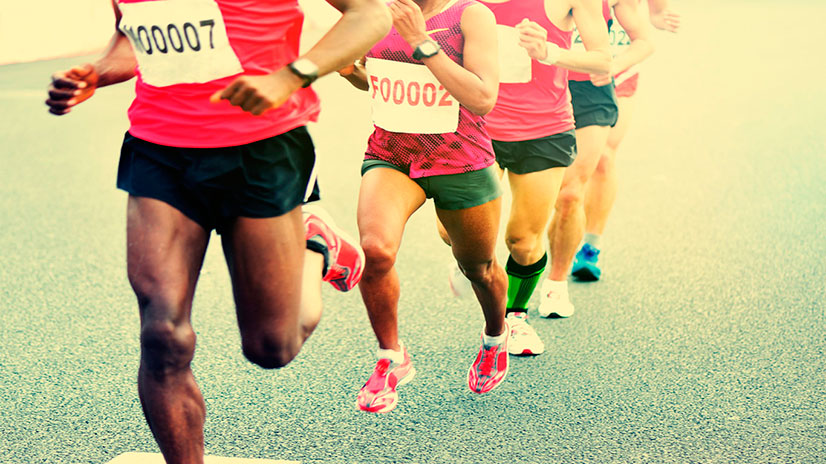
Not fire, but air -). Many runners note that it is easier to run behind pacemakers; air resistance does not affect them as much. Sometimes pacemakers turn on motivating second wind music (overcoming the point of project fatigue with the team).
9. Humble Leaders
Many pacemakers bring you to 90% of the distance, leaving at the finish line the opportunity for you to break the finishing ribbon, and they themselves modestly leave the race. They did their job. Some analogy with the managers of megaprojects who transfer the object to the customer. However, sometimes pacemakers get carried away and win competitions, but these are rather exceptions.
10. Recognition
Pacemakers wear bright clothes and flags to make them as visible as possible in the group (in the office). They use inscriptions and tattoos so that everyone knows who they are. It was a good practice for me to wear a vest with the inscription "supervisor" during testing and commissioning.
11. Many different pacemakers
It's great when you have a choice of pacemakers depending on your preparation (the company's maturity level), track parameters (medium project, large and mega-project), investment in yourself (investment level), talent and self-motivation.
12. Peacekeepers
All you have to do is change just one letter in the name pacemaker to peacemaker, and you have a peacemaker on your team who really is one. One of its possible functions is to disqualify a race participant for unsportsmanlike behavior (removing any interested person from the project).
Thus, there are easily twelve (!) analogies between pacemakers and good project managers. Sports brought a new idea into the professional sphere, didn't it?

Working at PM Excellence, you willy-nilly project project management methods into practice. Why? The secret is simple. Our leader is like that. Alexander Sergeevich Kutuzov, having experience in managing large-scale projects and megaprojects, also takes one height after another in life and is preparing to become a world champion. But that's another story.
As a summary: