
- Home
- News
- Articles
- All Articles
- General Project Management Issues
On the issue of legal nuances of using artificial intelligence in managing megaprojects

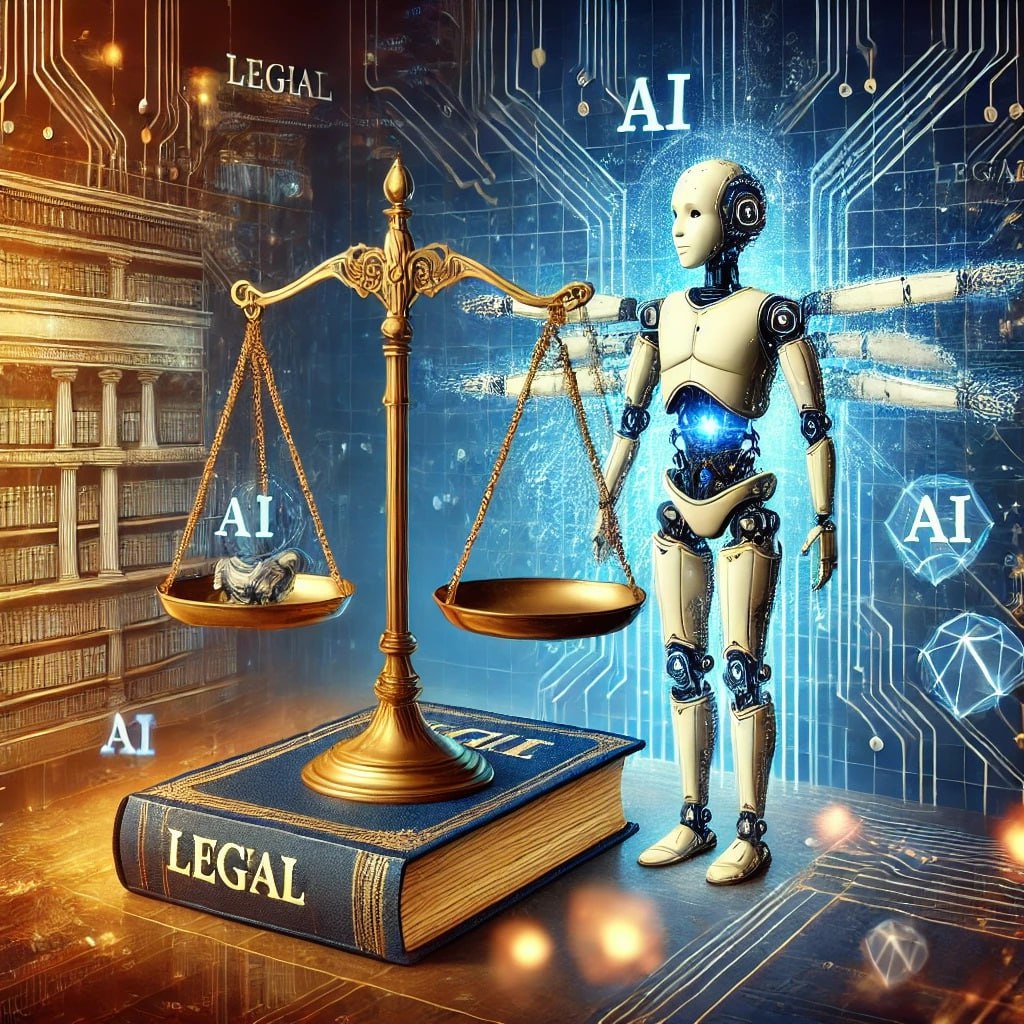
Megaprojects - these are complex, long-term capital-intensive initiatives, including the construction of infrastructure, scientific developments, the creation of technological systems, and other major tasks. Managing megaprojects requires a highly qualified approach and coordination of team actions for the most efficient use of resources. Already now, artificial intelligence (AI) may well become an important tool in solving such problems. It has a high potential for application in design, forecasting and subsequent risk management, process automation, building a schedule network model (CNM) and resource optimization.
However, along with numerous advantages, the use of AI in megaproject management faces a number of challenges:
-
Data protection and privacy: AI in megaprojects can work with large volumes of data, some of which may be confidential information, information constituting a trade secret, information of particular importance to the state (state secret), as well as personal data. These nuances require compliance with strict information security standards. Recently, one of the sensational neural networks from China was subjected to a serious cyber attack, as a result of which over 1 million lines of user information became publicly available, including digital program keys, user request histories in chats of commercial structures working with artificial intelligence (https://iz.ru/1830848/anton-belyi/navodka-dlya-shpiona-kakie-posledstviya-vyzovet-utechka-dannyh-deepseek), which confirms the relevance of the problem.
-
Responsibility: In case of errors and losses incurred by the subjects of the megaproject implementation, as a result of such errors associated with decisions made by AI, the question arises of who exactly will be held responsible - the creator of the AI system, the investor of the megaproject, the customer, the PMC contractor, or the liability will be joint and several.
-
Ethical Issues: the use of AI may raise questions for the megaproject team regarding the ethics of decisions made by autonomous generative AI systems.
In this regard, the use of AI in the management of megaprojects requires the creation and subsequent compliance with a special legal order that regulates the interaction of applications using generative AI and all participants in the megaproject.
To ensure that the use of AI in megaprojects does not violate legal norms, a clear legal structure is needed that will regulate this process. In the absence of comprehensive legislative regulation of the use of AI in the Russian Federation, both in everyday life and in production and business processes, it seems that the most optimal option would be "self-restraint", when all participants in the implementation of a megaproject agree on the measures, responsibilities and procedures for using AI within the framework of contractual obligations among themselves. For example, in classic PMC contracts, contract agreements, paid services, the parties can include in special sections additional provisions containing legal norms in the field of the use of AI during the implementation of the Megaproject, taking into account the risks mentioned above.
1. Data protection and privacy.
One of the most important tasks is ensuring the security of data collected and processed by AI. In this case, the experience in the countries of the European Union is interesting, where the General Data Protection Regulation (GDPR) is in force, which requires legal entities to ensure the protection of personal information, including the use of AI technologies. For the Russian Federation, the key legislative act is Federal Law No. 152-FZ "On Personal Data", which regulates the processing and protection of personal data, including in the context of the use of AI. All AI systems that use personal data must comply with these standards and ensure that it is stored and processed securely. Additionally, as part of their contractual obligations, parties may include provisions to ensure that sensitive information is completely removed or anonymized before it is used by AI tools. In the relevant section on the representations and guarantees of the parties (Article 431.2 of the Civil Code of the Russian Federation), it is important to point out that the main subjects of the Megaproject (in particular, stakeholders) understand that the contractor reserves the right to use generative AI technologies to complete tasks, and allthe processed and resulting data may be used by the parties only within the framework of contractual obligations.
2. Responsibility.
Liability for actions taken based on decisions made by AI remains a pressing legal issue. It is important to establish who will be held accountable for errors or losses resulting from AI decisions for a megaproject.
To do this, it is necessary to develop regulatory mechanisms that determine liability depending on whether AI is completely autonomous (for example, in the case of machine learning systems) or is only an auxiliary tool for human decision-making. In some countries, special laws are being developed for such cases, establishing liability for the actions of "smart" systems.
As part of megaproject management contracts, it is possible to include conditions on the parties' awareness that content created using AI may not always be accurate and requires additional checks. Additionally, it is important to only approve the use of AI applications that are approved for internal use by each party. In doing so, parties must share the risks and responsibilities for failing to adequately verify and verify the accuracy and reliability of AI-generated results to ensure they meet professional standards and minimize potential damages.
3. Transparency and explainability of AI decisions.
One of the key aspects is the requirement for transparency and explainability of decisions made by AI. The algorithms used must be understandable to humans in the context of their use for the implementation of a megaproject, especially in the case of making critical decisions, such as financial investments or the selection of contractors and suppliers, constructing a schedule and network schedule and drawing up a project check-up report.
Many countries, including those in the EU, are working to create laws requiring that decisions made by AI can be explained and verified by a human, to ensure legal fairness and fairness. It is important that the results produced by the AI can be justified, and that all stakeholders can check how the algorithm arrived at its conclusions.
4. Ethical standards and restrictions
Ethical issues arising from the use of AI must also be taken into account in legal regulation. This concerns both possible biases in AI algorithms and issues of fairness and discrimination. For example, if an AI system is being used to select contractors or evaluate the performance of a megaproject team, it is important to avoid biases that may be built into the algorithms.
Additionally, contracts could include provisions requiring the parties to use AI tools only by employees who have received appropriate training in the responsible and effective use of AI. Such professionals should be aware of the potential risks associated with the use of AI and trained in the operation and use of AI tools approved for internal use.
As you can see, the use of AI in megaproject management opens up new horizons for increasing efficiency and reducing risks. However, for AI to become an effective tool, the development and subsequent implementation of uniform legal standards and procedures governing the use of AI in megaprojects is necessary. This should include legislation aimed at data protection, accountability for the actions of AI, as well as requirements for ethical, transparent and explainable decisions. All these issues require an integrated approach and coordination both at the level of legislation and in the contractual legal relations of the megaproject team. Proper legal regulation will ensure that AI will be used in the interests of all participants in the megaproject, as well as in the interests of society as a whole.