
- Home
- News
- Articles
- All Articles
- Schedule and network planning
How to evaluate the effectiveness of the schedule network planning process in the Company

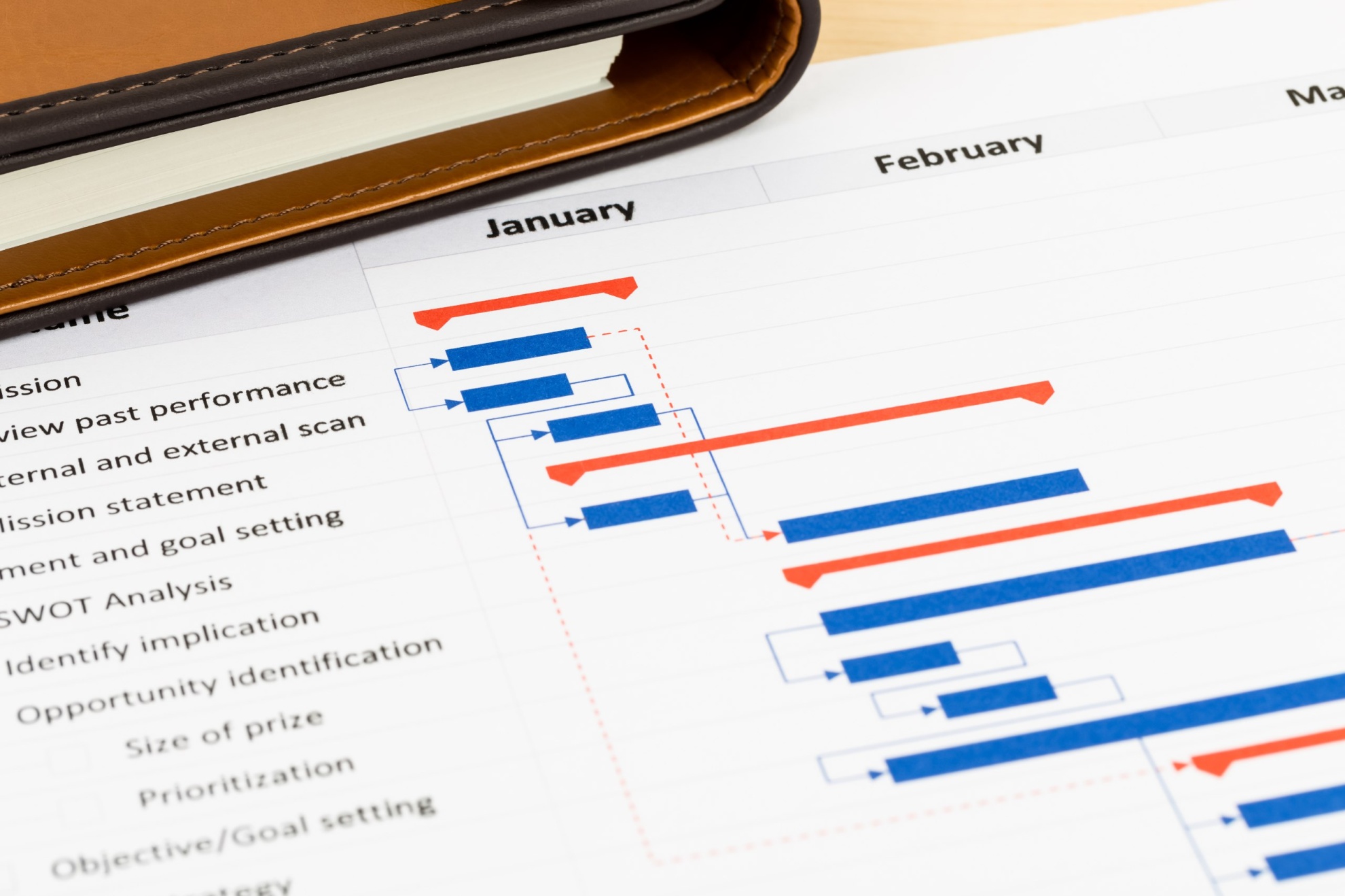
When it comes to the quality of schedule network models (hereinafter - CSM) or auditing the schedule network planning process, they most often talk about the "14 DCMA" methodology. It includes a list of 14 quality criteria for the schedule network model: the presence of connections, resources, the absence of too long durations and reserves, etc.
I am not exactly skeptical about this technique, but quite calm. 14 DCMA can be useful for a quick and "rough" assessment of a schedule network model, but it is still a formal test. Believe me any experienced planner will, in a maximum of a few hours of manipulation, lead to schedule network model to such a state that in 14 DCMA "all traffic lights will turn green," but the real quality and value of the KSM model will not change in any way.
In addition, not all 14 DCMA quality criteria are always relevant. For example, there is such a quality criterion as "availability of resources." But, excuse me, if I am a customer and have created an integration schedule network model, then why do I need resources in it? Resources can be in detailed schedule network models of contractors.
By the way, it should be noted that 14 DCMA was created by the Department of Defense Contract Management of the US Department of Defense (DCMA - Defense Contract Management Agency) and has no legal force as a mandatory requirement for all companies. In essence, this is just a recommendation and each company can decide for itself whether to follow it or not.
Real quality criteria schedule network models (for a construction project) in my opinion are:
1. Contains the entire scope of work for the project. That is, for example, in the PD/RD part, all documents that are in the MDR (register of documentation being developed) are indicated, in the supplies part, all equipment items are entered, in the construction and installation part, the schedule corresponds to the estimates/bills of quantities for the project.
2. All relationships are reflected. That is, for example, each delivery job has a construction and installation work follower.
3. Durations are set correctly.
4. The status of the work corresponds to the actual situation of the project.
Life hacks for an auditor: how to evaluate the effectiveness of schedule network planning in a company
I had to undergo an audit of the schedule network planning process (hereinafter - CSP) many times - both as an auditor and as an auditee. During this time, a methodology was formed, which I share below.
Let me note that we are talking specifically about an approach to assessing the effectiveness of the schedule network planning process, and not about assessing the quality of the schedule network models (CNM) themselves. These are 2 different things! Schedule network models can be made very well and generally be beautiful. And it sits beautifully on a shelf/in a folder on a network drive, without being used in any way.
I recommend assessing the effectiveness of the process in this way:
1. Study the schedule network models yourself. Make downloads from them for current work (use a filter to select work that should be performed, for example, within the current month). Print the critical path.
Talk to planners, ask how they interact with the project team when forming and updating the schedule network model.
2. Go communicate with the project team, individually with each key participant. Don't tell them anything about schedulers and the schedule network model. Don't show uploads.
Ask questions:
1. How do you work with schedules in a project?
2. What work are they currently doing and what are they planning for the next month?
3. What activities are on the critical path of the project?
Based on the answers, I determine the level of effectiveness schedule network planning thus:
A. If the project team members are generally aware that the project has a schedule network model (this will become clear when answering the first question) and know the names of the planners, then everything is no longer hopeless. This is the first level of efficiency.
B. If the answer to the second question (what work is currently being performed) coincides with the data from the schedule network model, this is already a good level of the process. Second level of efficiency.
Q. And if they tell you correctly what lies on the critical path, and also tell you several examples of when they used the schedule network model in practice to make decisions, then everything is generally cool. Highest level of efficiency. You can recommend increasing the planners' salaries and paying an extraordinary bonus.