
Minimizing Late Changes in Chemical Projects


The PM Excellence analytical service presents a study by IPA expert on projects in the chemical, pulp and paper, pharmaceutical, biotechnology and food industries, Natalia Zvart, "How can projects in the chemical industry minimize changes in the implementation process?" The study raises the issue of late changes in chemical industry projects due to errors in planning and design. The reasons for late changes are determined. Recommendations are given to minimize changes made during implementation by the project team.
Author: Natalya Zvart, IPA expert on projects in the chemical, pulp and paper, pharmaceutical, biotechnology and food industries, USA
A 2024 IPA study found that chemical industry projects in North America and Western Europe spend about 6% of their total budget implementing late changes, resulting in billions of dollars in annual losses. Three out of four projects face major changes, and half face multiple changes. These changes, in addition to increasing costs, shift deadlines and reduce project efficiency.
The authors consider a significant late change to be a change that increases (or decreases) the planned project duration by more than 1 month or the project cost by more than 0.5 percent. Most of these changes (about 75%) are initiated by the project team due to errors in scheduling, insufficient development, or the need to ensure the safety and functionality of the facility. Only 25% of changes are initiated by the business (for example, a change in capacity or location). Also, 77% of changes are technical.
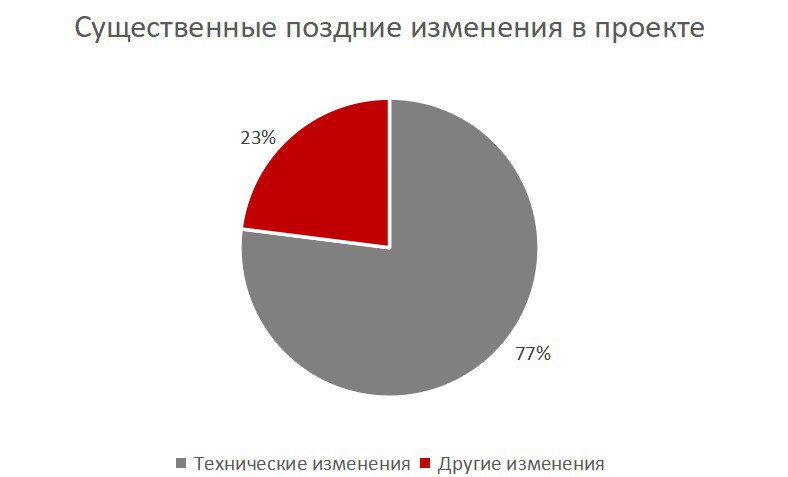
Source: Research data on chemical industry projects by Natalia Zvart (IPA, 2024)
The researchers made a number of recommendations to reduce the number and impact of changes. Among them:
- Clear definition of goals and trade-offs. The lack of customer participation at the definition and design stages does not allow for clarity and leads to changes in the scope of work, which makes it impossible to build a reliable schedule network model for planning. Conducting Business and Engineering Alignment Meetings (BEAM) early on helps reduce the number of large changes later in the process.
- Integration of the project team. Cohesive teams are less likely to make large-scale changes. Maintaining such a team throughout the project's lifecycle is a great way to minimize change. Project managers with more experience and more time to devote to the project had fewer late changes in projects
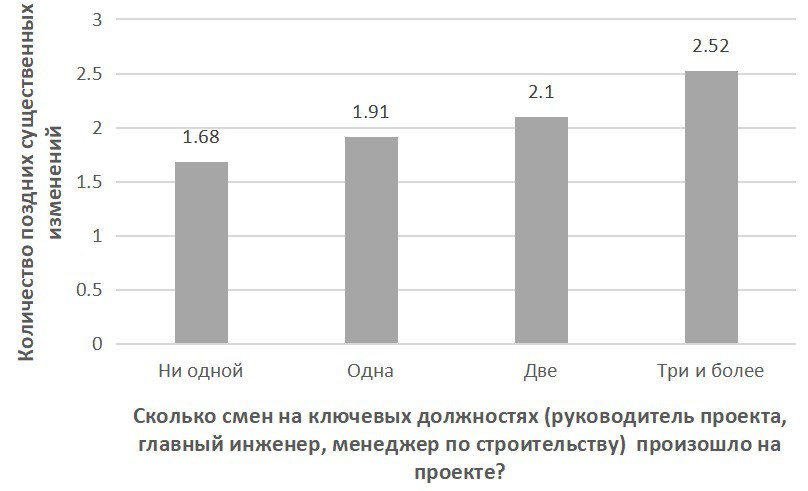
Source: Research data on chemical industry projects by Natalia Zvart (IPA, 2024)
- Quality preparation at the definition stage. Good teamwork during the definition and design phases reduces late changes. A low-quality schedule-network model at the outset increases the number of errors in chemical manufacturing projects, and-unsurprisingly-design errors result in higher project planning costs because significant changes must be made late in the implementation to correct these errors.
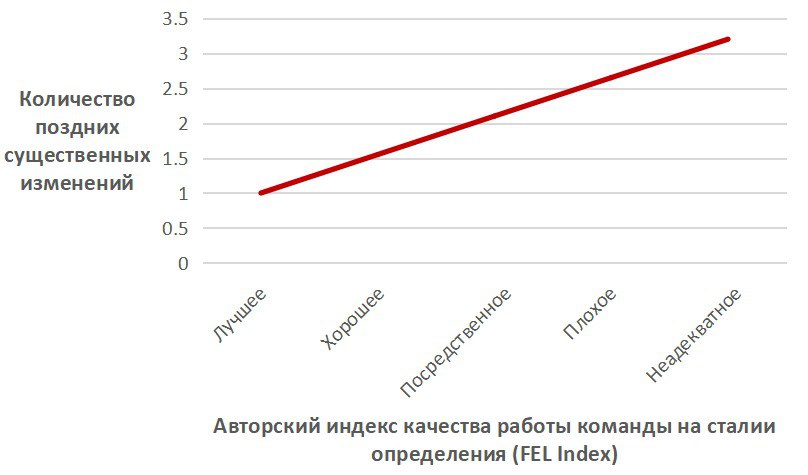
Source: Research data from chemical industry projects by Natalia Zvart (IPA, 2024)
- Project control: Constantly assessing physical progress on site and collecting frequent detailed reports from performers also help reduce the number of major changes at later stages.
In addition to reducing the number of changes, for successful project implementation it is necessary to be able to manage changes and take them into account when scheduling and network planning. Many companies do not have a strong change management process in place, which compounds the problem. Understanding the reasons for change and implementing the practices described in this article can significantly improve project outcomes in both the chemical and other industries.
Link to original: https://www.ipaglobal.com/news/article/how-chemicals-projects-can-minimize-changes-during-execution/