
USSR megaprojects: Seven and a half "sisters"
12.01.2026

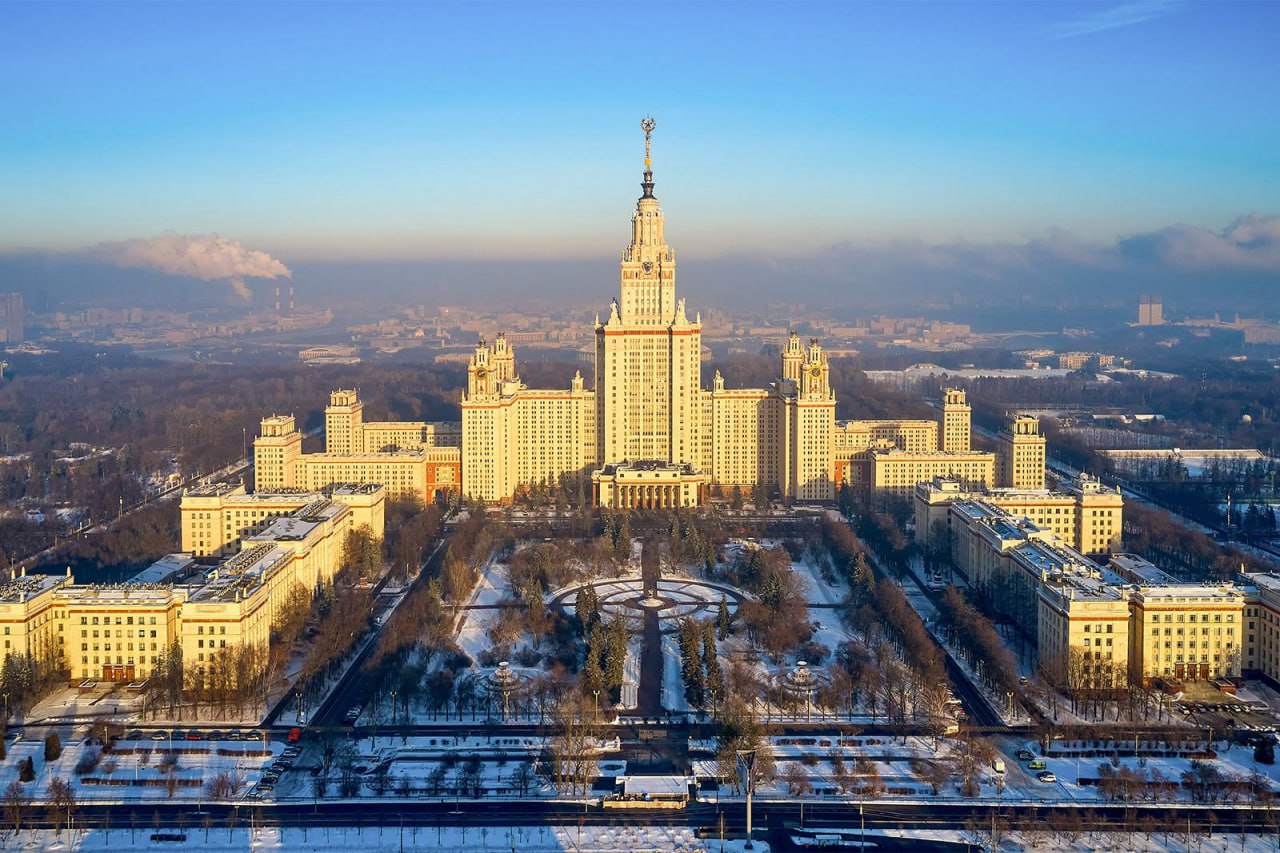
The idea for this article arose a long time ago. Moscow skyscrapers are impossible not to notice. I was able to visit some, and I circled around all of them on excursions several times. The idea matured while visiting the architectural exhibition "The Birth of Scale" at the Rossiya National Center. At the exhibition, a gallery of models of Stalin's high-rise buildings is presented as the semantic center of the exhibition.
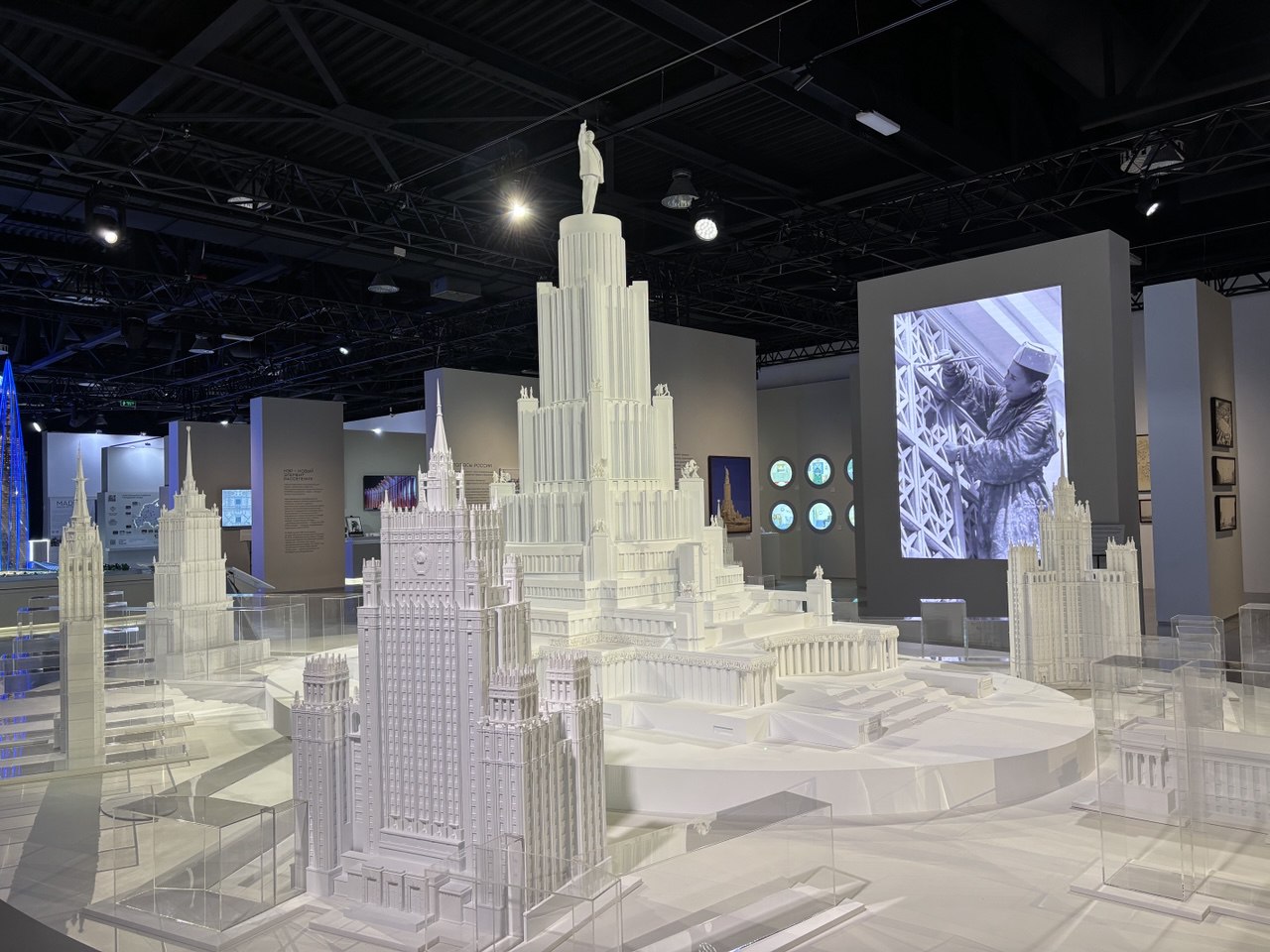
Fig. 1 Models of high-rise buildings at the exhibition "The Birth of Scale"
It is very easy to imagine a high-rise construction project as a megaproject. Each high-rise building is a unique project. All together - a megaproject. Moreover, in fact, this is exactly the approach that was chosen during the conceptual design and organization of construction.
The birth of scale
A unified plan for the construction of eight high-rise buildings in Moscow, known as "Stalin's high-rise buildings", was approved by a resolution of the USSR Council of Ministers on January 13, 1947. This project was timed to celebrate the 800th anniversary of Moscow and symbolized the power and status of the capital of the Soviet Union as a victorious power after World War II
In 1947, when Joseph Stalin signed a decree on the construction of high-rise buildings, the 800th anniversary of Moscow was celebrated. On September 7, City Day, at exactly 13:00, the first stones were simultaneously laid at predetermined sites. After this, the design of houses began. Initially, it was planned to build eight skyscrapers, but the project in the historical Zaryadye district, where at that time all the old buildings had been demolished, was never implemented due to the ongoing struggle "against decorative excesses."
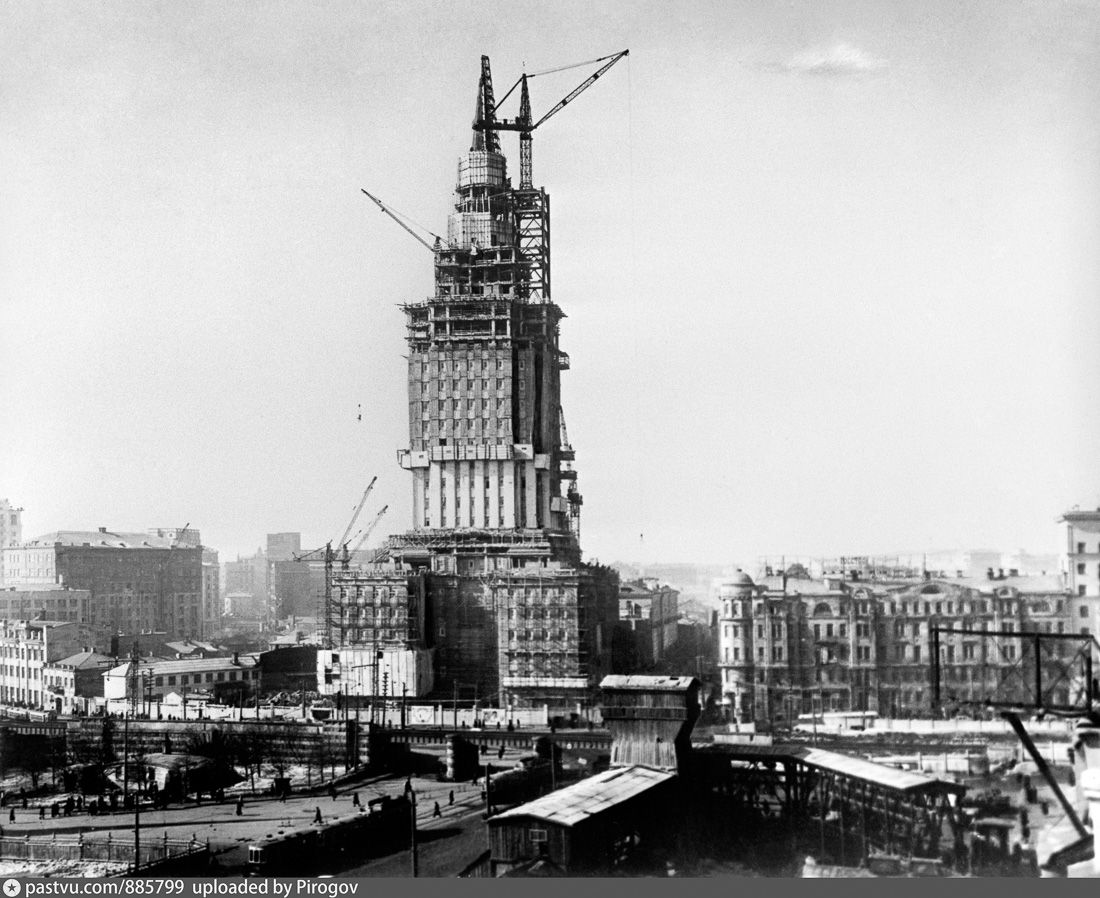
Fig.2 Construction of the Leningradskaya Hotel
The megaproject has defined common approaches to projects. The high-rise projects were developed in the Stalinist Empire style, which combined monumentality and classical elements. But at the same time, each of the seven implemented buildings was created with the participation of different specialists, which ensured the uniqueness of each project.
Quote "This is a completely unique project. After the war, Moscow had only 26 cranes and about 50 excavators. But Soviet engineers and designers accomplished a real feat by building skyscrapers, which are still considered an excellent example of the work of specialists," says Maria Vasilenok, historian, cultural scientist and Moscow guide.
Megaproject planning
The State Planning Committee has developed a super-strict schedule network schedule. Only two months were allotted for the design of each high-rise building, and preparatory work was to be completed during 1947. The plan included the use of innovative construction methods, such as frame construction and the use of prefabricated structural elements, which significantly reduced the work time.
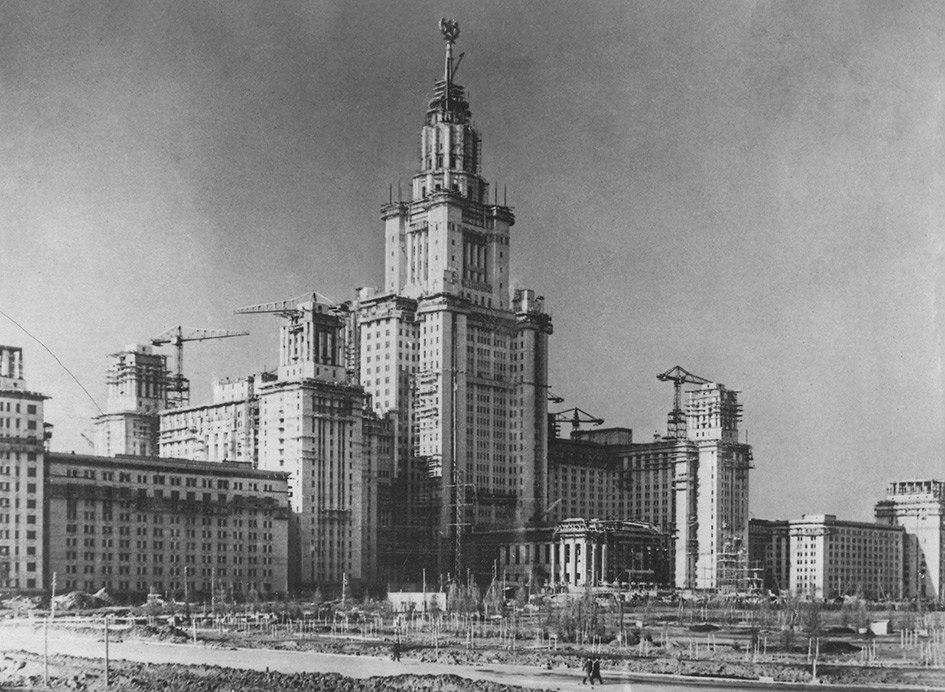
Fig.3 Construction of the main building of Moscow State University
In addition, the plan provided for the participation of prisoners and German prisoners in the construction, which ensured the scale and speed of the work.
The construction of Stalin's high-rise buildings was entrusted to various ministries and departments of the USSR. Each of them was responsible for the construction of a specific building, using its own construction base and resources. For example, the construction of the main building of Moscow State University on Vorobyovy Gory was the responsibility of the construction department of the Palace of Soviets under the Council of Ministers of the USSR, the Ukraine Hotel was the responsibility of the Ministry of Construction of Heavy Industry Enterprises, and the construction of a residential building on Kudrinskaya Square was the responsibility of the Ministry of Aviation Industry.
Designated departments were responsible for the design, construction and provision of the necessary resources for each of the buildings.
Quote: By the way, this is an interesting precedent, which to some extent was adopted by the Mishustin government.
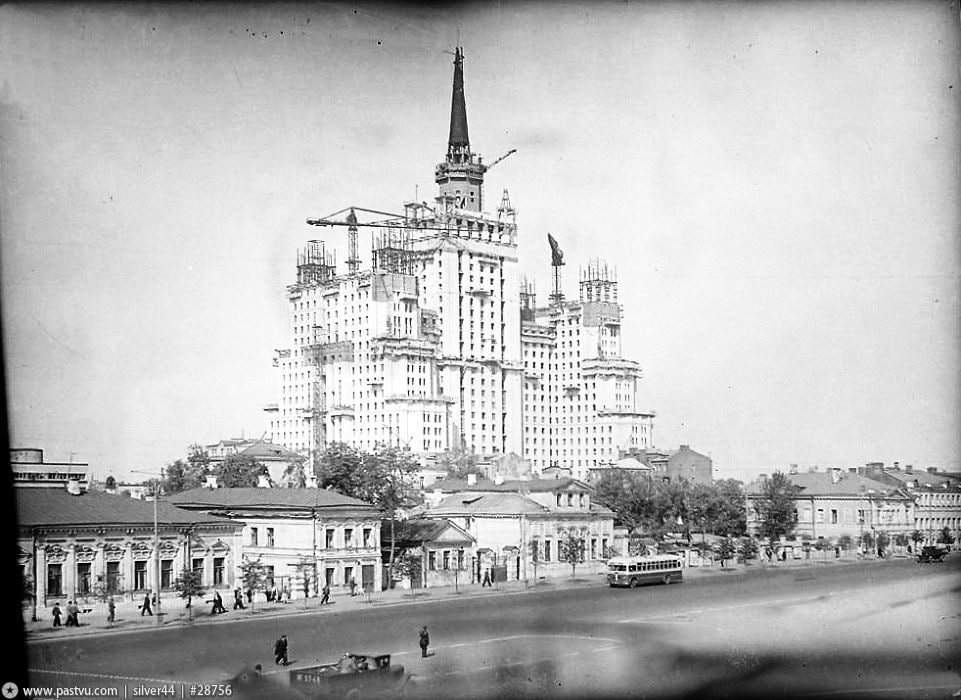
Fig. 3 Construction of a residential building on Kudrinskaya Square
Lavrentiy Beria was appointed supervisor of the construction of high-rise buildings, which ensured secrecy and control over the process.
Implementation of the megaproject
The construction of each building in a short time was accompanied by technical difficulties. Thus, the largest of the "seven sisters" - the 36-story high-rise building of Moscow State University (MSU) named after M.V. Lomonosov - at the last moment they decided to move it away from the river.
The building of the Ministry of Foreign Affairs (MFA) of the Russian Federation on Smolenskaya-Sennaya Square was built according to the project without a spire. Then the Soviet government changed its mind, and architects Vladimir Gelfreich and Mikhail Minkus faced a difficult task. Since the foundation could not withstand the additional load in the form of a spire the height of a ten-story building, they decided to make the structure a sham: the metal frame was sheathed with sheet iron and left hollow inside, but they had to do without a multi-ton star.
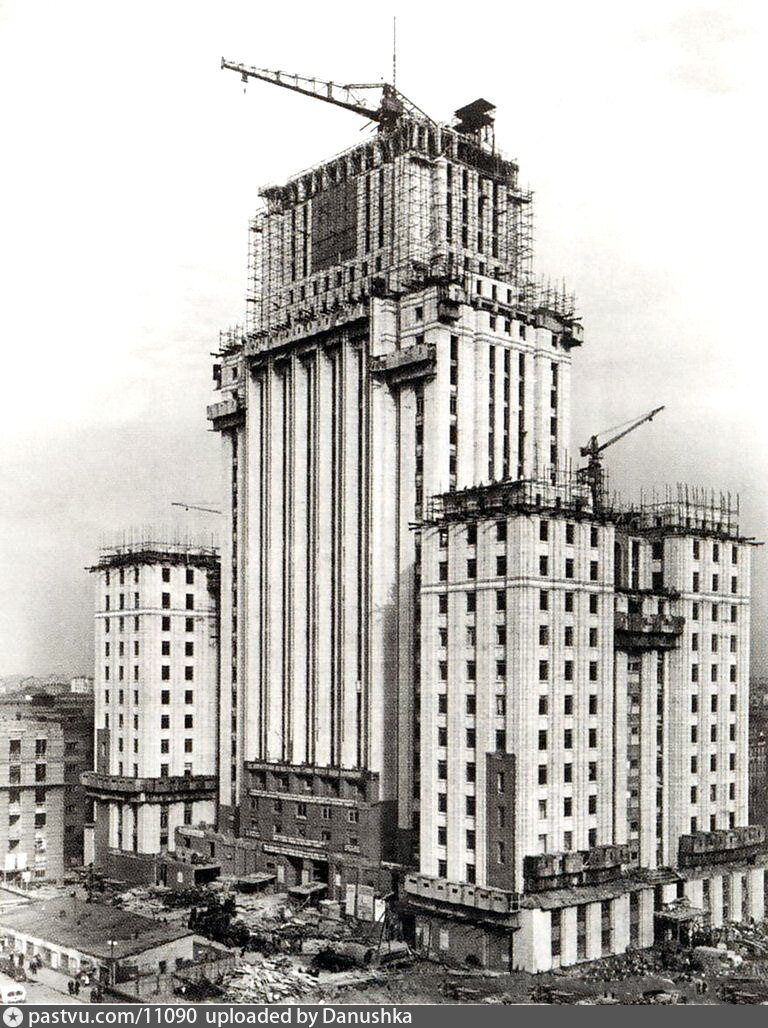
Fig. 4 Construction of the Ministry of Foreign Affairs building
In general, significant changes were made to the original plan for the megaproject. So, almost all high-rise buildings have increased in height. In the original design, the tallest building was to have 32 floors. During the construction process, all high-rise buildings "added" in height. Moscow State University became 36-story, and the Leningradskaya Hotel became 26-story (in the project its height was only 16 floors).
Builders and architects came up with unique recipes to meet project deadlines and ensure safety. The high-rise building on the Red Gate was built at an angle, since part of it overhung the pit dug for the construction of the metro lobby. To maintain the slope, the soil was frozen to a depth of 27 meters. When the work was completed, the soil thawed and the high-rise took a vertical position.
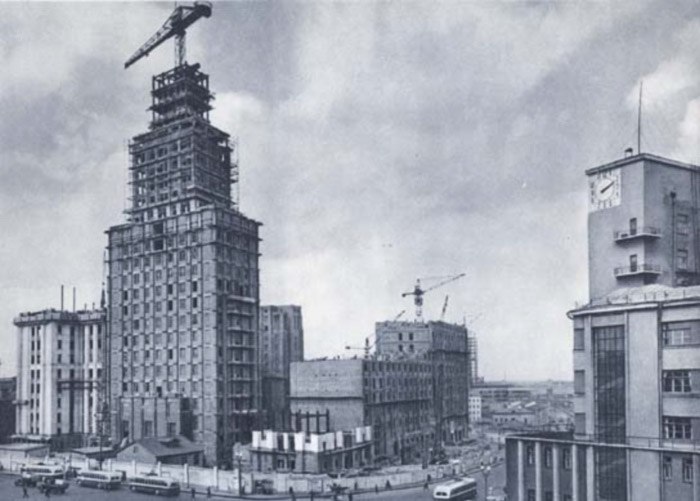
Fig. 5 Construction of a high-rise building on the Red Gate
During the construction of the Main Building of Moscow State University on Vorobyovy Gory, a unique box-shaped foundation developed by engineer Nikolai Nikitin was used. This foundation was a sealed reinforced concrete box of small height, but with dense walls, which made it possible to ensure uniform settlement of the building on difficult soils.
The foundation consisted of concrete boxes welded together using electric welding, which made it possible to level out the settlement of the powerful structure and neutralize the reactivity of the soil. To build MSU, an 18-meter pit had to be dug. As a result, the box foundation made it possible to avoid the use of traditional piles and meet the deadlines of the megaproject.
Quote: The Moscow State University building is the tallest building of Stalin's seven skyscrapers. Its height is 236 meters and it has 36 floors. 40,000 tons of steel were used to build the frame alone, and 200 million bricks were used to build the walls.
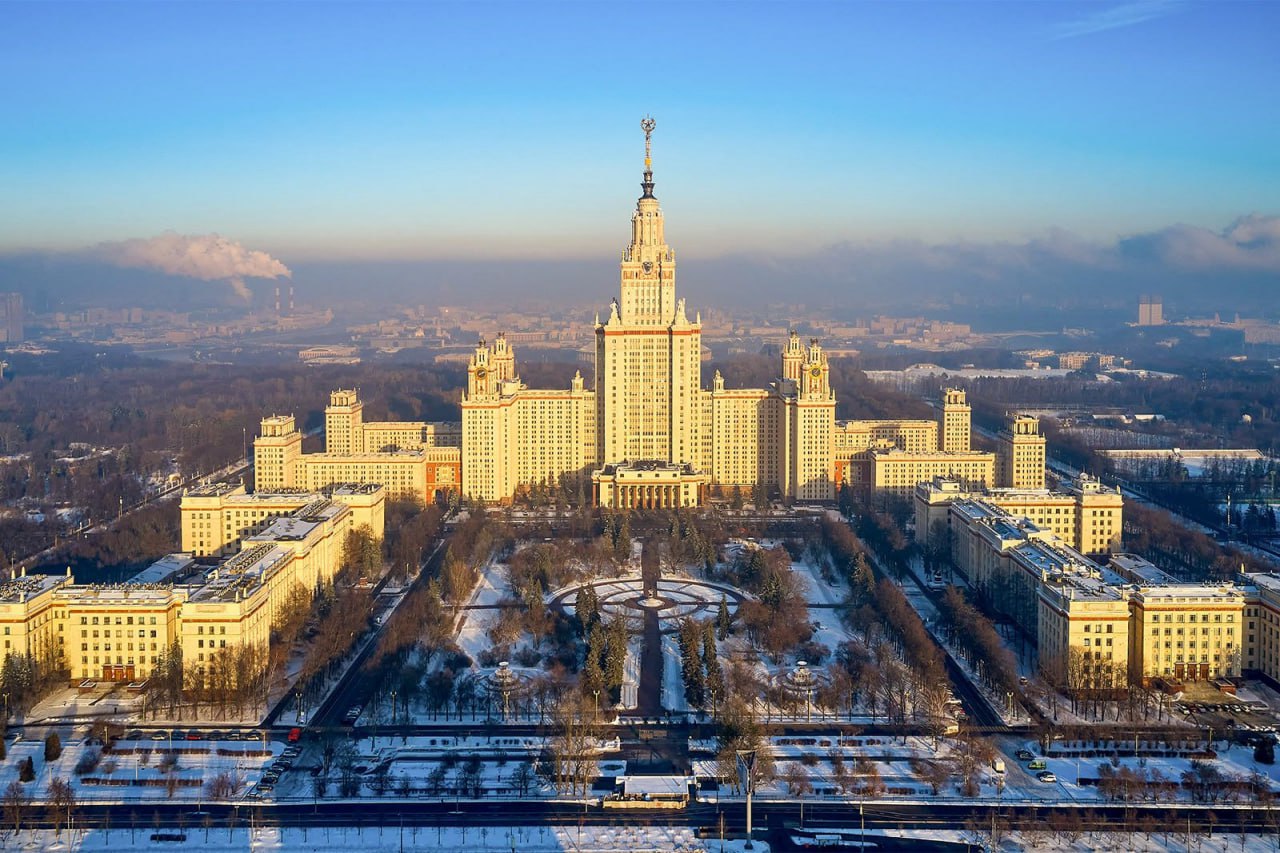
Fig. 6 Moscow State University building complex
As a summary
The seven Stalinist skyscrapers in Moscow are called the "seven sisters" because of their similarity in architectural style and monumentality, and because of their role as dominant figures in the city landscape. The term "seven sisters" was borrowed from Western guidebooks and tourist descriptions, where these buildings are compared to seven sisters, symbolizing unity and harmony in diversity.
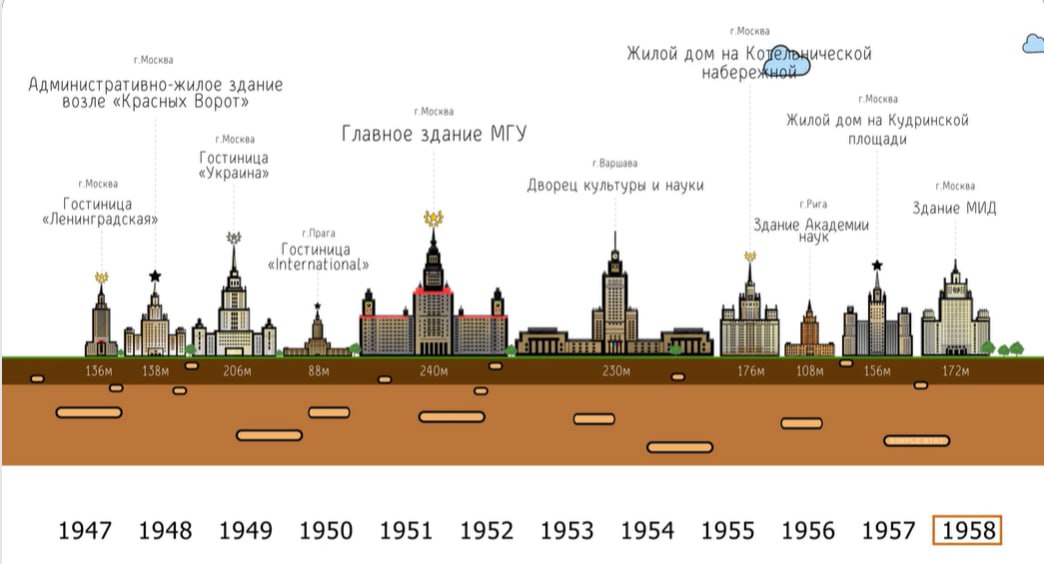
Fig.7 Approximate sequence of high-rise construction
I added another half to the term "seven sisters" in the title of the publication because of the unfinished skyscraper in Zaryadye.
"Seven Sisters" became a symbol of the Soviet era and the power of the USSR. We continue to benefit from the results of this large-scale megaproject.
Quote: This year the Moscow Marathon starts from the main building of Moscow State University and the route is laid out so that you run a tour of all the high-rise buildings of the capital! Such things.
Sources of information
- "Seven Sisters": how Stalin's high-rise buildings were built. https://www.mos.ru/news/item/147840073/
- The most interesting facts about Stalin's skyscrapers. https://dzen.ru/a/W7HgtGTlnQCqZ4ZX
- How Moscow State University was built. https://www.phys.msu.ru/rus/about/sovphys/ISSUES-2009/02(71)-2009/8620/
- The legend of the Stalinist high-rise: how many floors does the main building of Moscow State University go underground? https://www.techinsider.ru/popmem/811603-legenda-stalinskoy-vysotki-na-skolko-etazhey-uhodit-pod-zemlyu-glavnoe-zdanie-mgu/
- Eight in the plan: how the construction of Stalin's high-rise buildings began. https://www.mos.ru/news/item/79442073/