
Megaprojects: And again about "black swans"

The next corporate training from the PM Expert company took place in the form of a game simulating a megaproject. An experienced trainer, together with the participants, mined ore, transported stones to a construction site, and erected pyramids for 20 conventional years. And, of course, I faced risks. For the mega-project "Pyramid of Cheops", several risk categories were designed in the game. The biggest risks were created by the pharaoh and his entourage.
The training participants successfully completed the task thanks to balanced risk management and, of course, luck, i.e. the desire to complete the megaproject on time.
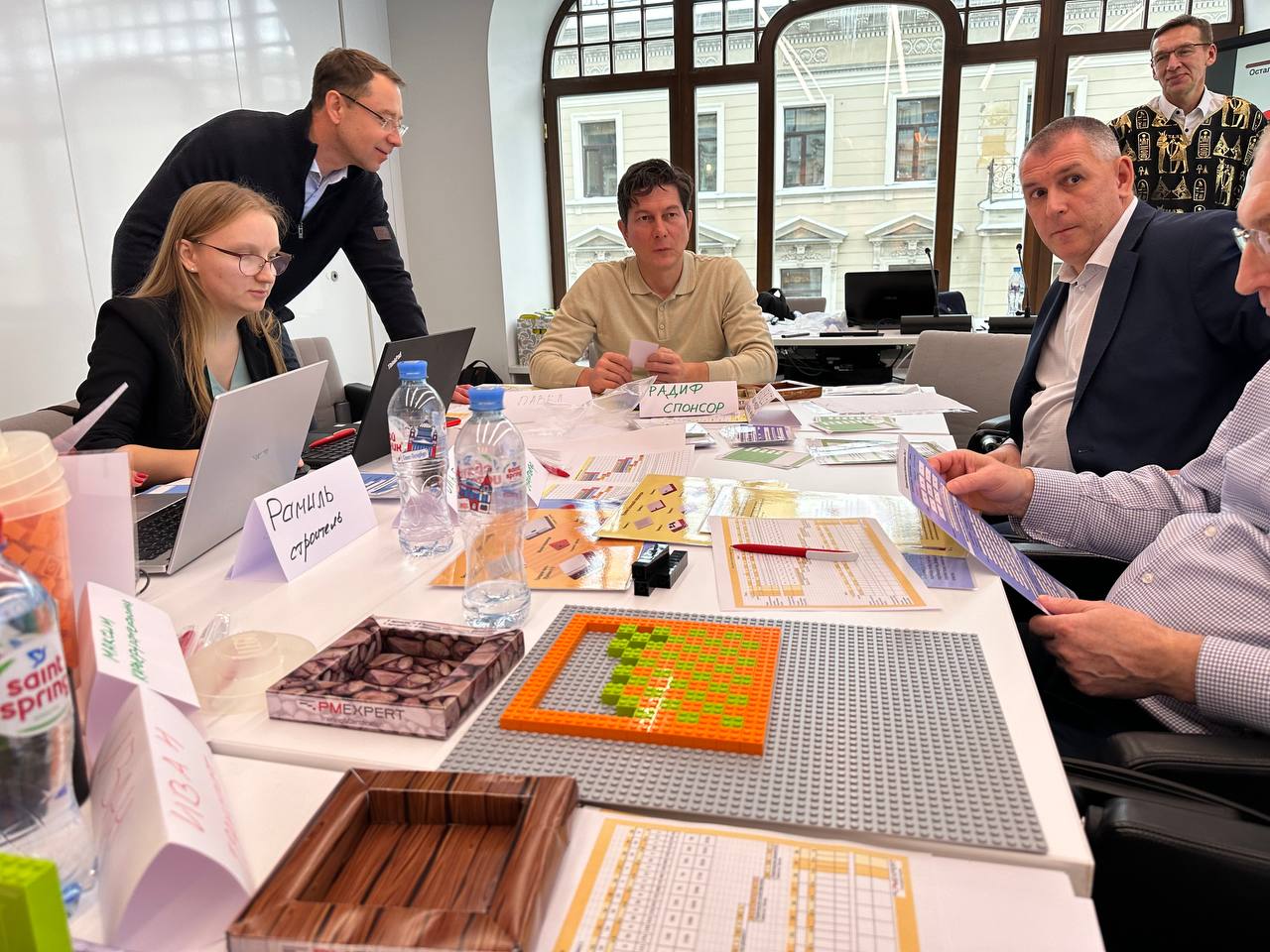
Fig. 1 Photo from the pyramid construction megaproject
The game process prompted the following thought:


Fig.2 Cover of the book "Black Swan"
Let me remind you that the author called "black swans" risks that meet three criteria:
First. The event is unexpected.
Second. The event has significant consequences.
Third. After the occurrence, in retrospect, the event has a rationalistic explanation, as if the event was expected.
What practical lessons did you and my fellow project managers learn from reading the book? They are as follows:
First of all, when identifying project risks, use active forms of generating new risks, including brainstorming sessions and focus groups. Define "platonic folds" - according to the author's terminology, these are the sources of the appearance of "Black Swans".
Secondly, when compiling a risk register, mark risks with signs of "Black Swans" with the code CL. These include, let me remind you, anomalous events with a huge impact on the status of the megaproject. An example of a risk register is below:
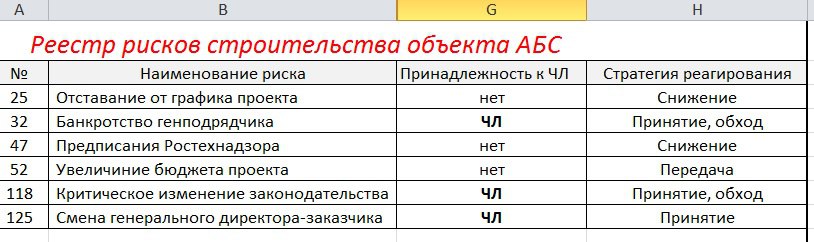
Fig. 3 Example of a risk register
Thirdly, develop your intuition. The author uses the concept of serendipity, which is translated into Russian as serendipity. Intuition can be developed as a skill using the following formulas:
- Increase your sensitivity to signals from the outside world and your inner self.
- Learn to listen to yourself!
- Choose a positive attitude (just become an optimist).
- Free yourself from imposed clichés and stereotypes.
- Learn to recognize the shadow of untruth in order to distinguish the true from the false.
- Take responsibility for making the right decisions.
FourthJust as there are positive and negative risks, distinguish between "good" Black Swans and "bad" Black Swans. For "good" PLs, choose a strengthening strategy ("feeding" - EP).
Fifthly, do not be lazy to set aside project reserves for the budget and deadlines. The reasoning for management, who is confident that everything will go according to plan, may be as follows:

Sixth, keep in mind that the Pareto rule as presented by Taleb is transformed into the "50/01" rule or "Half of the work required for a project is done by one percent of the people."
Seventh, look around. They're already flying! While I was writing this article, at least one Black Swan almost arrived. I was ready for it and, therefore, this swan was a "Gray Swan" according to Dr. Taleb's classification.
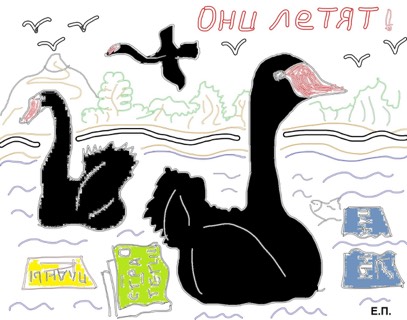
Fig. 4 "Black swans" fly and change the megaproject
EighthPlease note that those who distract us from the project increase the risk of Black Swans.
Ninth, believe in yourself even more. At a minimum, you have already been warned that the world around your megaproject is complex, asymmetrical and nonlinear.

It is interesting to read another book on the topic of risk management in megaprojects. A team of Scandinavian authors led by Nils Bruzelius wrote an interesting work "Megaprojects and Risks. Anatomy of ambition." The book explores the magic of large-scale projects: statistics show total exceeding of budgets and their very modest effectiveness after launch.
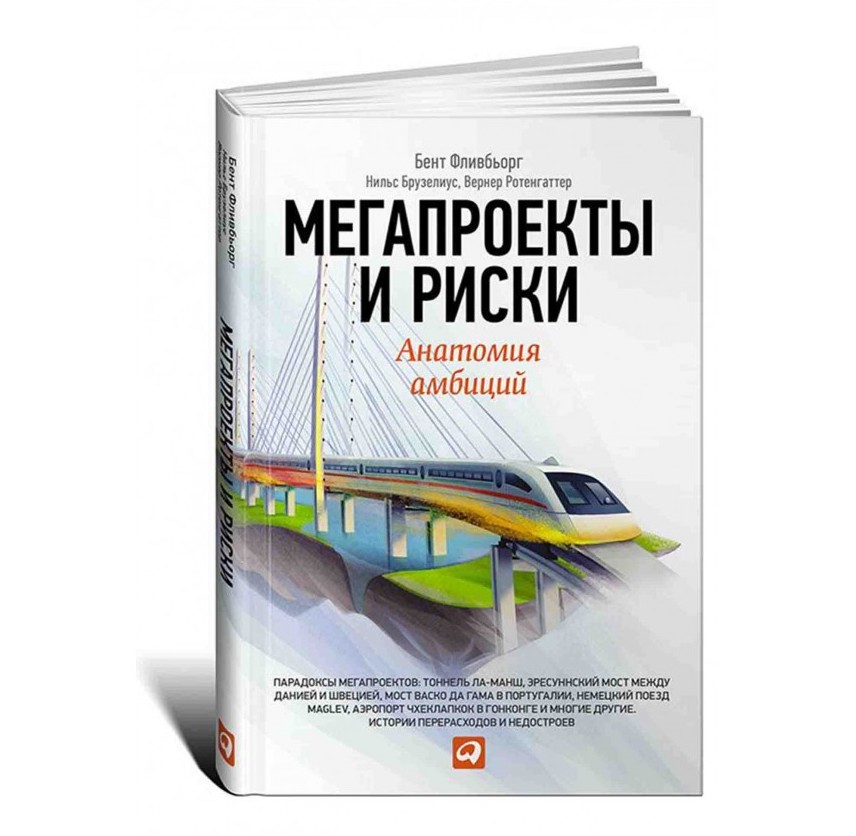
Fig. 5 Cover of the book "Megaprojects and Risks"
The authors provide a large number of examples from their practice. Judging by the data, they were interested parties in many of the projects described in the book. For example, the project for the construction of a tunnel under the English Channel with a final excess of construction costs by 80% was examined in detail.
Among the megaprojects described in the book there are also record holders for exceeding the budget. For example, the Sydney Opera House, the actual cost of which was approximately 15 times higher than projected, and the supersonic airliner Concorde, the actual cost of which was 12 times higher than planned. The Suez Canal ranks highest in the statistics above, with its budget exceeded by 19 (!!!) times.
The other side of the coin, which is noted by the authors of the book, is the unsatisfactory results of forecasting demand for megaprojects. The vast majority of transport megaprojects demonstrate poor performance once launched.
The authors formulated four tools, the use of which will reduce risks and increase the efficiency of megaprojects. They are as follows:
First: Increase the transparency of decision-making in megaprojects for all stakeholders.
Second: Focus on functional rather than technical requirements.
Third: Improve regulatory systems.
And fourth: attract risk (private) capital.
Come to corporate trainings of PM Expert. Together with you we will learn how to manage risks in megaprojects.
As a summary:

Literature:
- Taleb Nassim Nicholas "Black Swan. Under the sign of predictability"
- Bruzelius Niels "Megaprojects and risks. Anatomy of ambition."