
Megaproject: Evacuation and IL-2 production project
10.10.2025

The current situation forces us to take a fresh look at the historical megaprojects of the recent past. Learn their lessons, evaluate personal and collective contributions, and see the role of a leader. An involuntary association arises about what we call project management, which our ancestors successfully mastered and used. They just called it differently -).
The reason for the article was a business trip to Verkhnyaya Pyshma and a visit to the museum of military equipment of the Ural Mining and Metallurgical Company (UMMC). Dozens of restored unique and serial exhibits of military equipment demonstrate the spirit of Victory. The willpower, courage and exploits of the people who accomplished all this under conditions of evacuation, difficult working conditions, and sometimes hunger and cold.
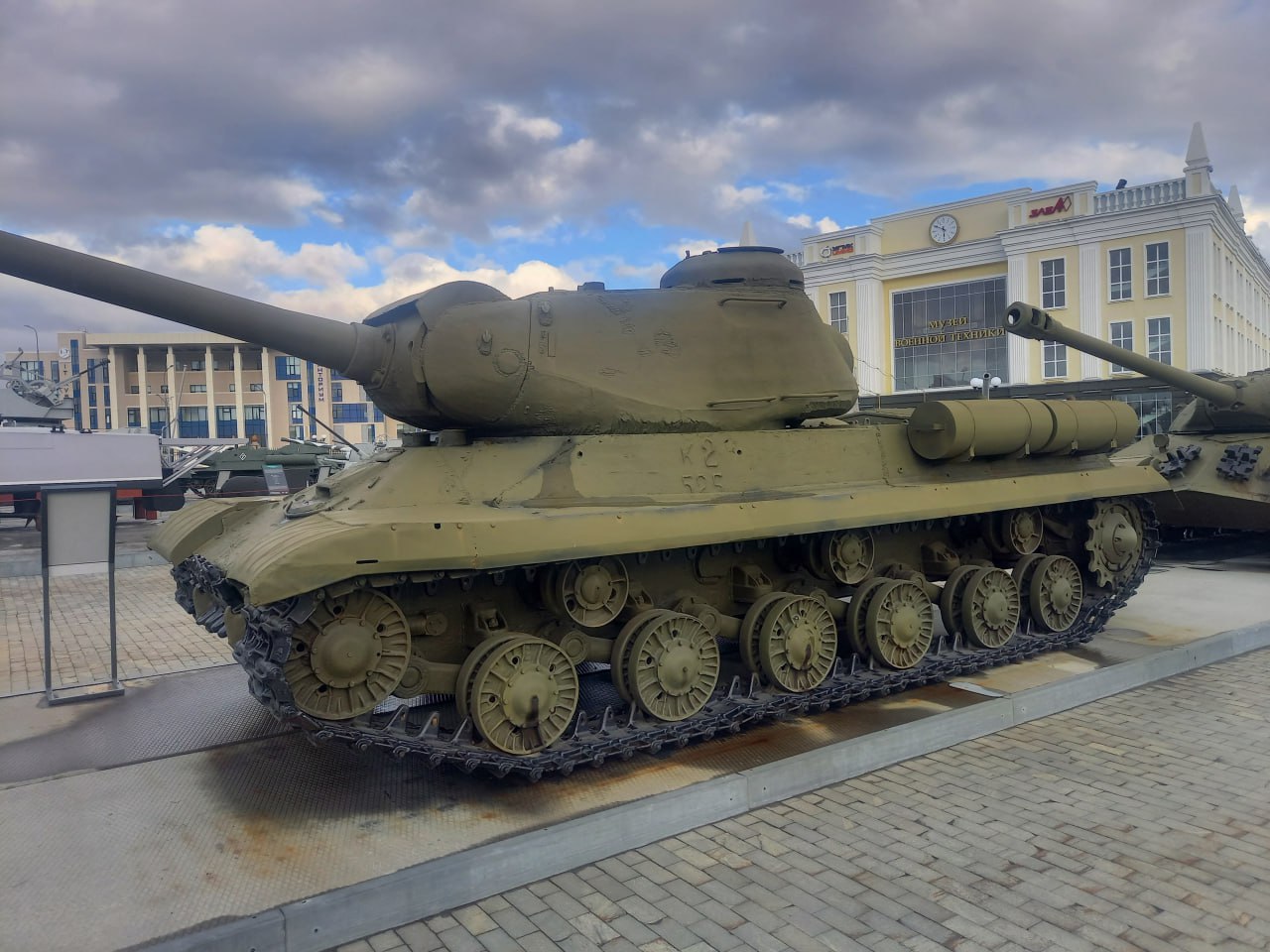
Fig. 1 Tank IS-2M, produced by the Kirov plant, evacuated to Chelyabinsk
Similarly, when visiting the museums of aircraft factories in Voronezh and Samara, I came across the most interesting design artifacts and accumulated information for this article.
Scale of evacuation. Megaproject
In total, during two stages of evacuation - from June 1941 to February 1942 and in the spring-summer of 1942 - 2,743 enterprises, including 1,523 large ones, were transported from the western and southern regions of the country to the east. Most of the factories (550) were taken away from Ukraine, almost the same number (498) from the capital region, 109 enterprises were evacuated from Belarus and 92 from Leningrad. Most of these enterprises - 667 - ended up in the Urals, 322 - in Siberia, 308 - in Central Asia and Kazakhstan, and 226 - in the Volga region.
During the same time, a total of over 20 million people were evacuated from the west to the east of the USSR - 12.4 million in the first stage and 8 million in the second. The overwhelming majority of them were located on the territory of the RSFSR, mainly in the Urals and Siberia, about a quarter in the Transcaucasus, Kazakhstan and the republics of Central Asia.
According to the modern classification of the PM-Excellence company, this is - signs of a megaproject, with the management and production factors necessary for the megaproject.
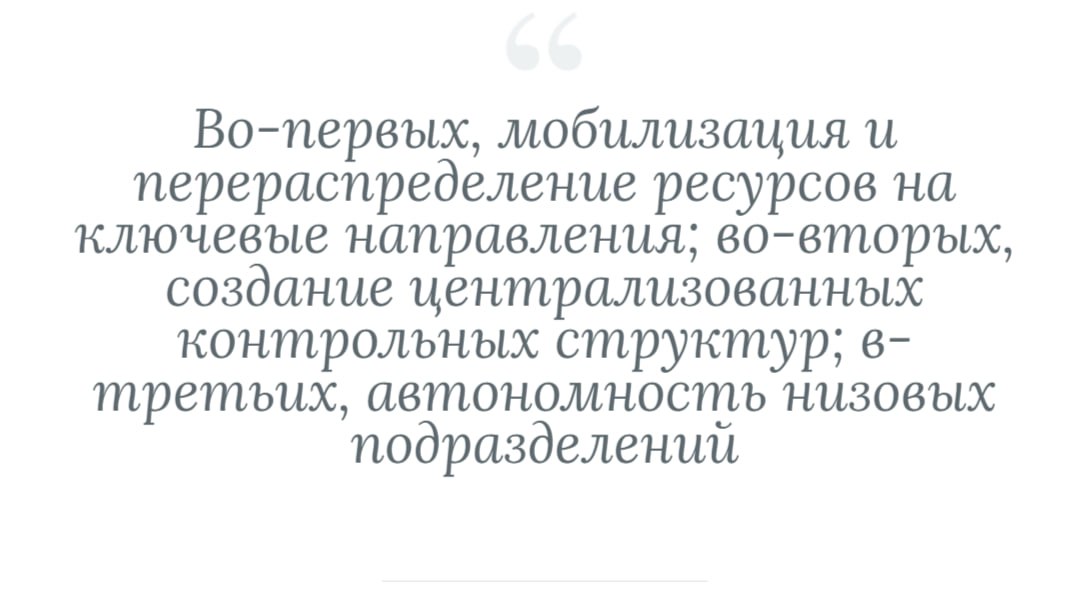
According to the author of the book "Russian Management Model" Alexander Prokhorov, in the case of evacuation it is interesting to highlight the following management factors that ensured a positive result:
Given the large volume of topics related to evacuation, within the scope of this article we will consider the life cycle of one of the projects, namely the production of the Il-2 attack aircraft at a new site. The positive results of the project became part of a comprehensive result, which determined global success.
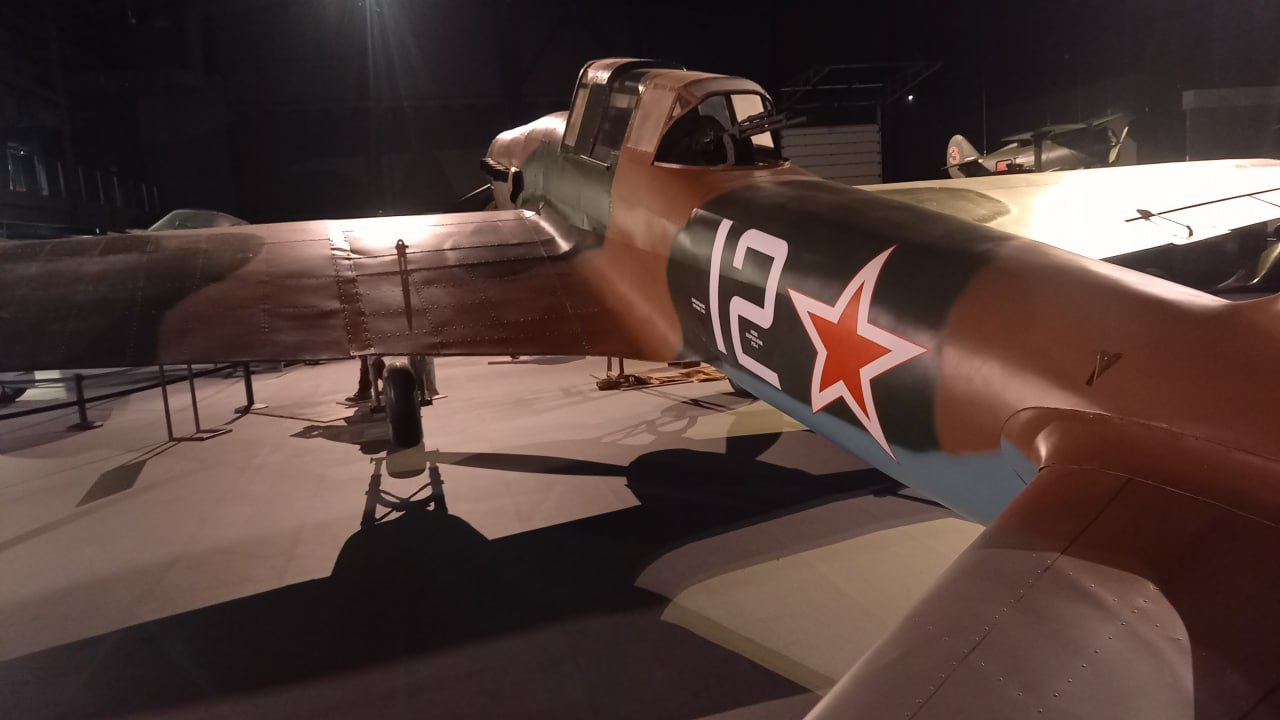
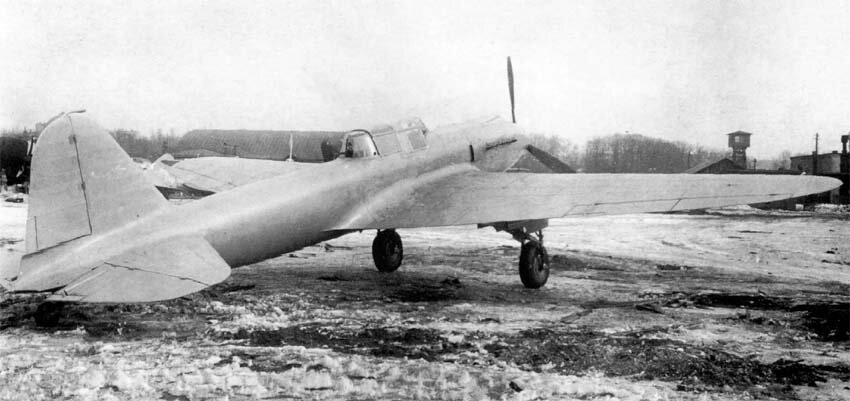
Fig.2 Il-2 attack aircraft in the UMMC museum
Project initiation
Already on June 24, 1941, the Politburo of the Central Committee created the Evacuation Council. N. M. Shvernik is appointed its chairman, and A. N. Kosygin and M. G. Pervukhin are appointed as its deputies. On June 27, the Central Committee of the All-Union Communist Party of Bolsheviks and the Council of People's Commissars of the USSR adopted a resolution "On the procedure for the removal and placement of human contingents and valuable property."
Planning
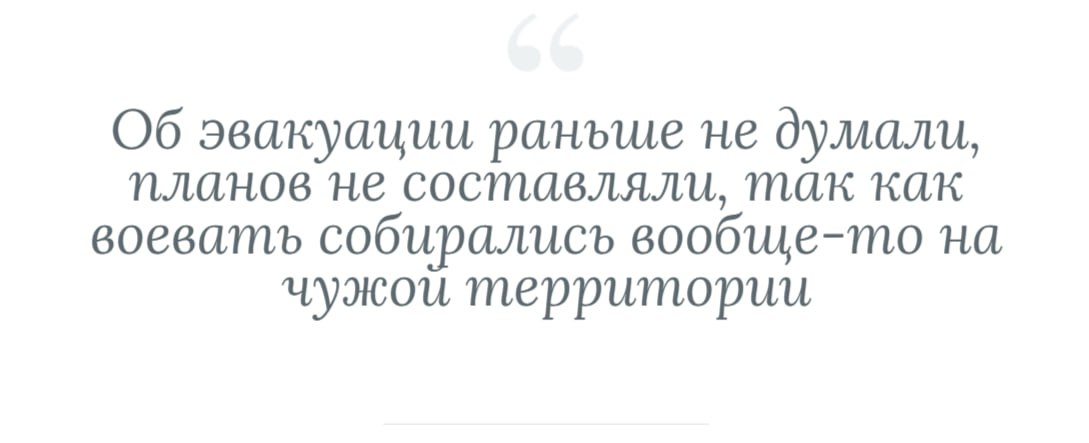
By June 22, 1941, there was no single, agreed upon and accepted calendar plan for the proposed evacuation of enterprises. One of the last such plans was adopted in 1937, but it could not be satisfactory for the task at hand: due to ongoing industrialization, the volume of industrial equipment was constantly growing, which means that each new plan would soon become outdated.
The problem was that no one had any idea where to take it from or where. Plus the constantly changing situation at the front. As a result, there was a plan for the next wave (iteration) of evacuation. Then we looked at the situation.
Project implementation. Relocation phase
The Il-2 aircraft production plant was located in the city of Voronezh. Since February 1941, these aircraft have been mass-produced. The order to evacuate to the east was transmitted to Voronezh plant No. 18 in early October 1941. The main idea of this part of the evacuation plan was to, while relocating the plant to a new site somewhere in the east, simultaneously continue production of Il-2 aircraft in Voronezh.
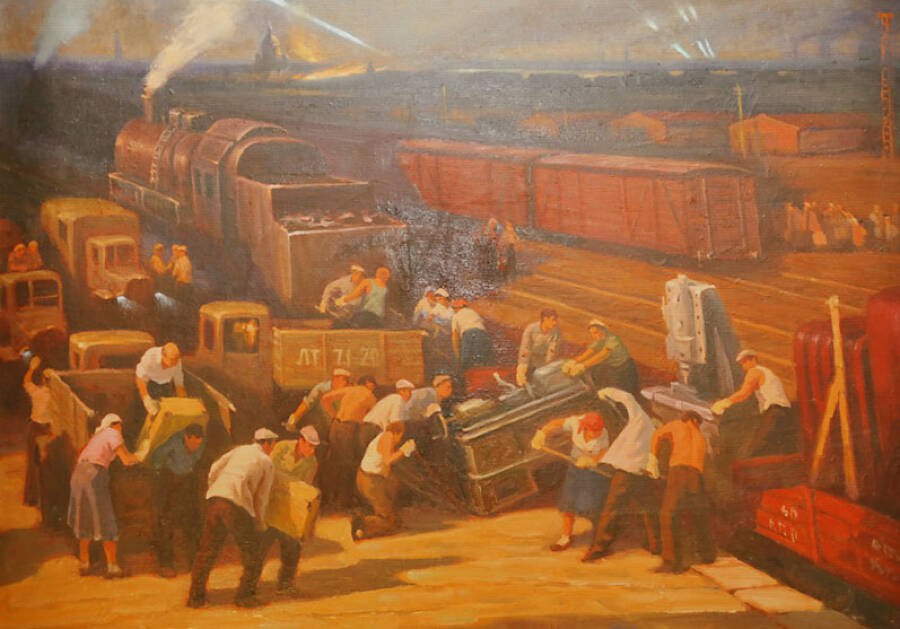
Fig.3 Painting by G. Melenkov on the topic of equipment evacuation
Resource Management
The plan provided that the relocation of workshops and departments should be carried out sequentially, taking into account the place occupied by the unit in the technological process of aircraft construction. Designers and technologists are the first to leave with drawings and other technical documentation.
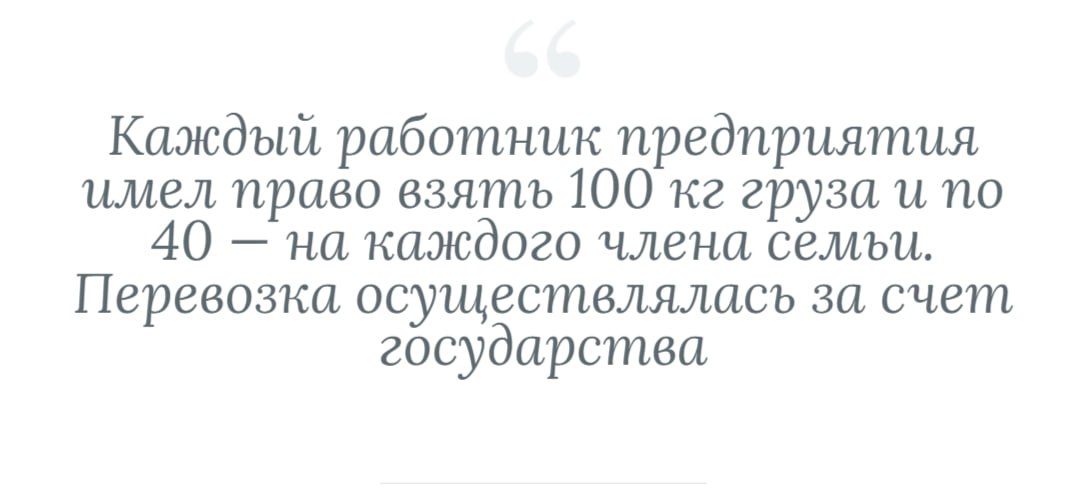
Part of the employees of the departments of the chief mechanic, energy, planning department, and accounting are traveling with them. All employees are traveling with their families. They are followed by pre-production workshops. These units at the new location must prepare for the deployment of main production.
The new building to which plant No. 18 was relocated was one of the new aircraft factories, the construction of which was carried out according to the decision of the Politburo of the Central Committee of the All-Union Communist Party of Bolsheviks, adopted in September 1939. But in October 1941, the new site of the plant in Kuibyshev was a group of unfinished buildings. The huge building of the assembly shops and the same building of the main aircraft assembly did not yet have roofs. However, carloads of equipment and people began to arrive, and production had to begin.
Project implementation. Equipment unloading phase
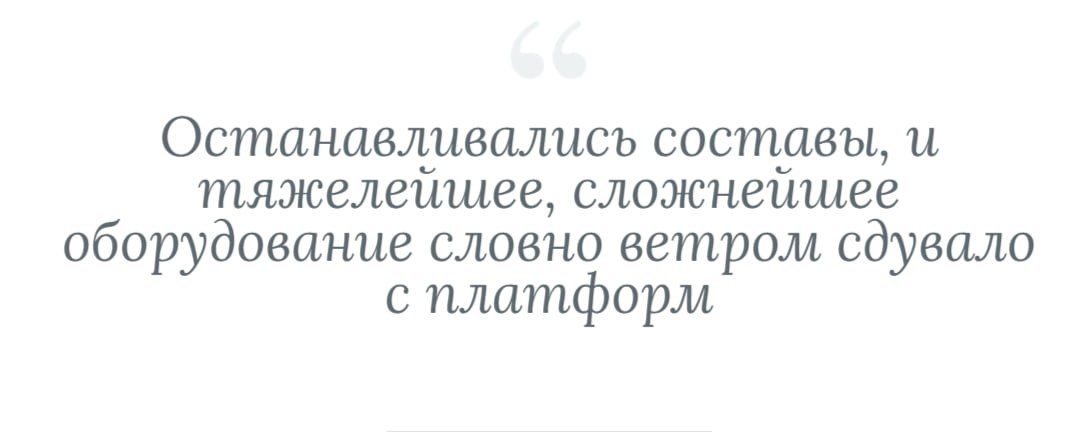
The "conveyor" of trains transporting equipment and people from Voronezh operated continuously. And for the factory workers gathered at the new site, the main task was to accept the equipment, arrange it in the workshops in the new buildings and put it into operation.
Loads rolled across the factory yard on pieces of pipe and logs. True, another type of vehicle appeared - a metal sheet with a rope or cable tied to it. The machine was installed on the sheet, several people were harnessed to the cable loop, one or two helped from behind - and the machine drove along the road, which was frozen by that time and covered with snow.
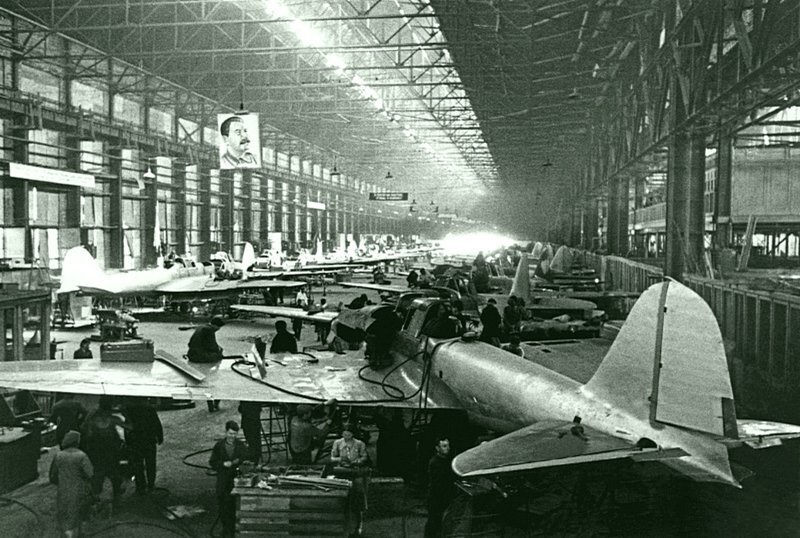
Fig. 4 Production of Il-2 aircraft at plant No. 18 in Kuibyshev
The chief designer of the Il-2 aircraft, Sergei Vladimirovich Ilyushin, who came to plant No. 18 in those days, recalls:
Project implementation. Start of production phase
The scope of work at the new site of plant No. 18 was continuously expanding. The machines and other equipment that arrived from Voronezh and were transported to the workshops had to be put into use as soon as possible. To do this, it was necessary to fulfill at least two conditions: fix the machines on the foundation and supply electricity to them. As soon as the machine was dragged into one or another workshop and put into place according to the layout, the electricians were sent to it. And while several shop workers were removing the wrapping paper from the machine and wiping off the preservation grease, the assemblers were connecting temporary electrical wiring to it.

To install the 80-ton Birdsboro press, the local Kulibins built a huge tripod from iron beams (there was no suitable crane). Using a system of hoists and blocks, the press was moved into place. The installation team launched the press in a record 25 days.
December 1941 was ending. The last train arrived with equipment and workers from plant No. 18. The relocation of the enterprise took two and a half months. On that memorable day, at an operational meeting, plant director Shenkman announced that the last Il-2 aircraft, assembled at the old site in Voronezh, had been flown and handed over to a military unit in early November 1941. Thus, the "silts" with the brand of plant No. 18 did not rise into the air due to evacuation for only thirty-five days.
Project implementation. Stakeholder Influence
On December 23, 1941, late in the evening, the director received a government telegram:
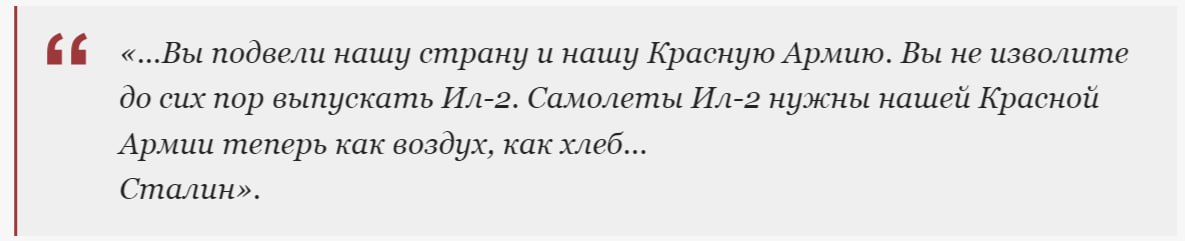
Fig.5 Telegram from Stalin
They say that the director of the plant, Matvey Shenkman, talked with the plant staff and already on the evening of December 24 sent the following telegram to Stalin:
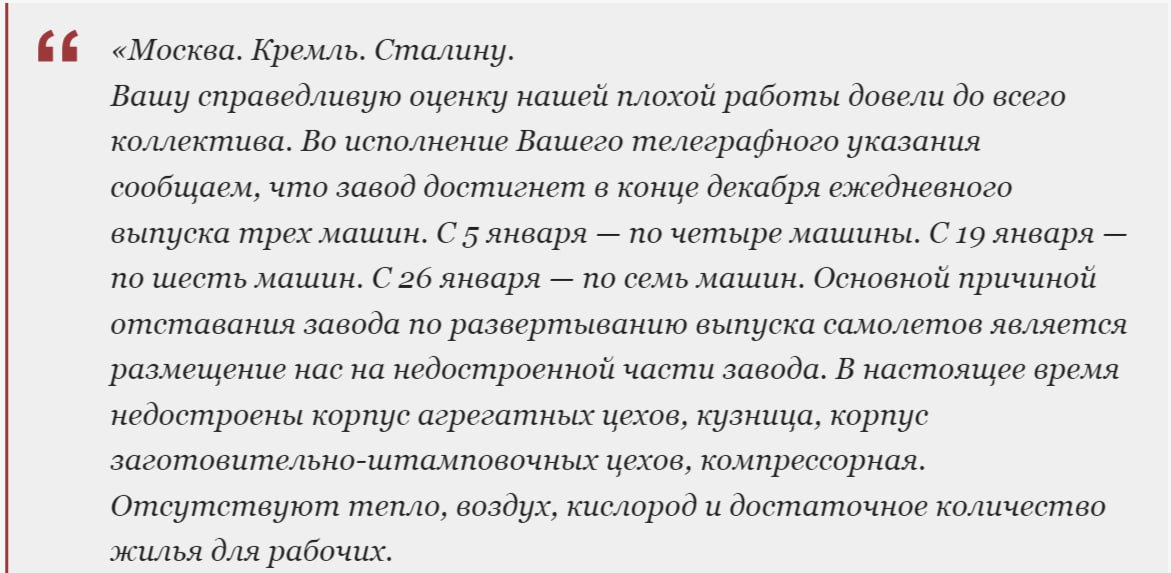
Fig.6 Fragment of a telegram to Stalin
On December 29, 1941, at thirteen o'clock, the first railway train with Il-2 attack aircraft, manufactured by Plant No. 18 at the new location, left the factory site. Twenty-nine aircraft were carried by this train - all the plant's products produced in December 1941. Course - Moscow.
Project implementation. Multiple increase in production
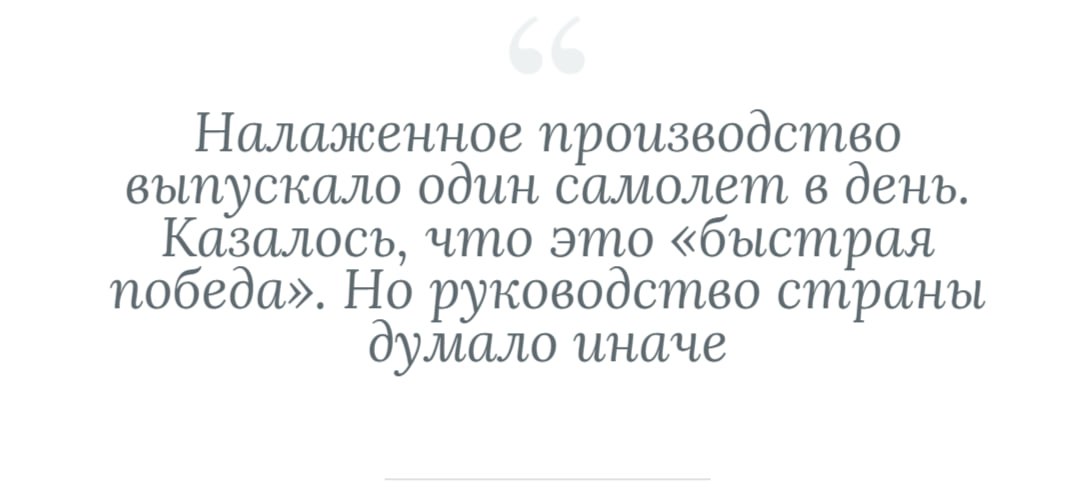
At the end of January 1942, that is, about a month after receiving Stalin's telegram, the plant was producing seven times more aircraft!
The question of a multiple increase in aircraft production (from 1 to 7) per day in just one month remains a mystery to me. The answer to this question could write a new chapter in megaproject management.
Traditional versions do not give the correct answers, namely:
By increasing resources: There was no significant increase in resources; the plant's staff remained stable. Perhaps the company's management made a redistribution of existing resources, but this could give a contribution of no more than 30%, but not many times over.
By optimizing production: in such a short period of time is unlikely, especially in the conditions of a new site; let me remind you that the plant was evacuated.
Through management efforts: unlikely, although the plant director was respected and loved by the employees and knew more than half the plant by name.
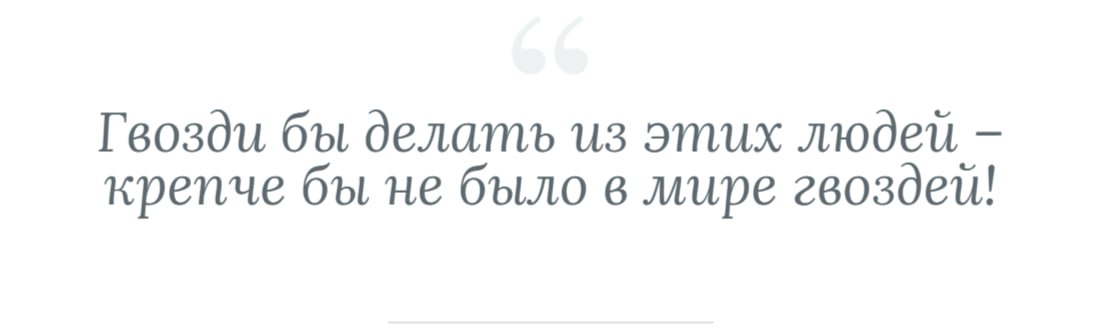
All that remains is motivation. Plus the synergy effect.
Project implementation. Product Upgrade
The past months of the war brought recognition to the Il-2 attack aircraft. At the same time, this same period clearly revealed a significant drawback of the aircraft - the vulnerability of its tail section, the absence of a gunner. Plant No. 18 and the Ilyushin Design Bureau received requests and demands from the fronts for the introduction of an air gunner's cabin with a machine gun mount on the Il-2.
Chief designer Ilyushin recalls his meeting with Stalin and his words:
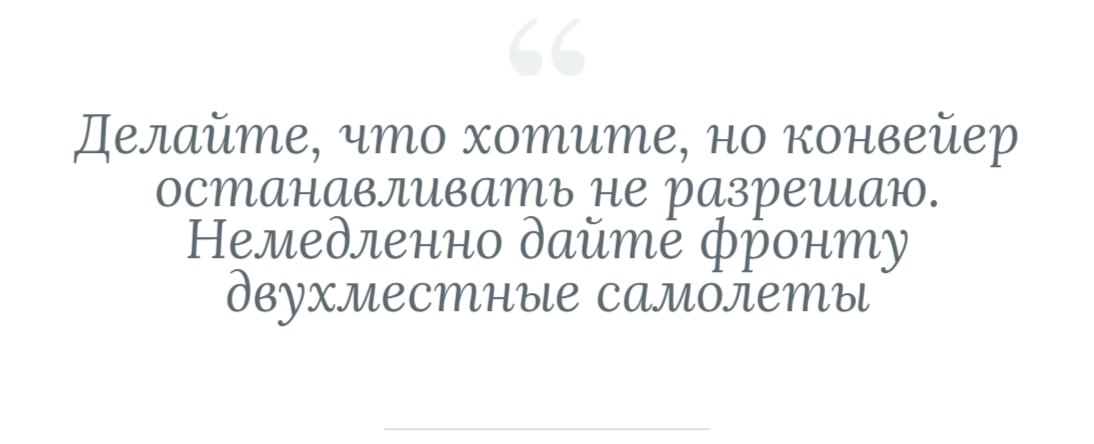
The project management team, which included the management of the enterprise and the design bureau, recall that the first batch of two-seat "silts" was obtained by modifying single-seat vehicles located at an airfield near Moscow by the factory team.
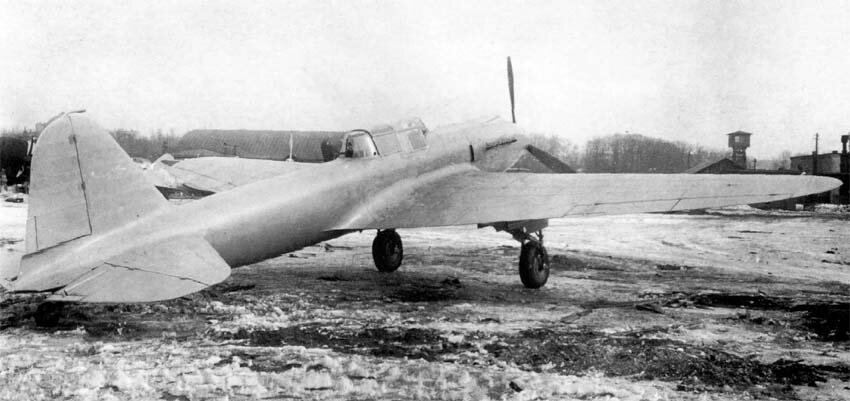
Fig. Experienced two-seat IL-2
A rigid ring stamped from duralumin crashed into the "barrel" of the fuselage, and a machine gun mount was mounted on it. To protect the shooter, an armor plate was strengthened across the fuselage from the tail side. The resulting cabin was covered from above with a folding canopy.
This is how the first two-seat Il-2 attack aircraft appeared at the front at the end of March - beginning of April 1942.
Already at the second stage of modification of the attack aircraft, the wing sweep was changed and a more powerful AM-38F engine was installed.
In general, during the attack aircraft production cycle, engineers made dozens of improvements to the existing aircraft, while simultaneously increasing production. Including eliminating defects, for example, simultaneous replacement of air filters without recall from the front for three hundred aircraft (!)
Completion of the project. Success
During the war, the staff of Plant No. 18 produced about 15,000 attack aircraft. That is, in fact, almost half of the total number of 36 thousand Il-2 aircraft produced in wartime at the country's aircraft factories.
The Il-2 attack aircraft became the most produced aircraft in world history.
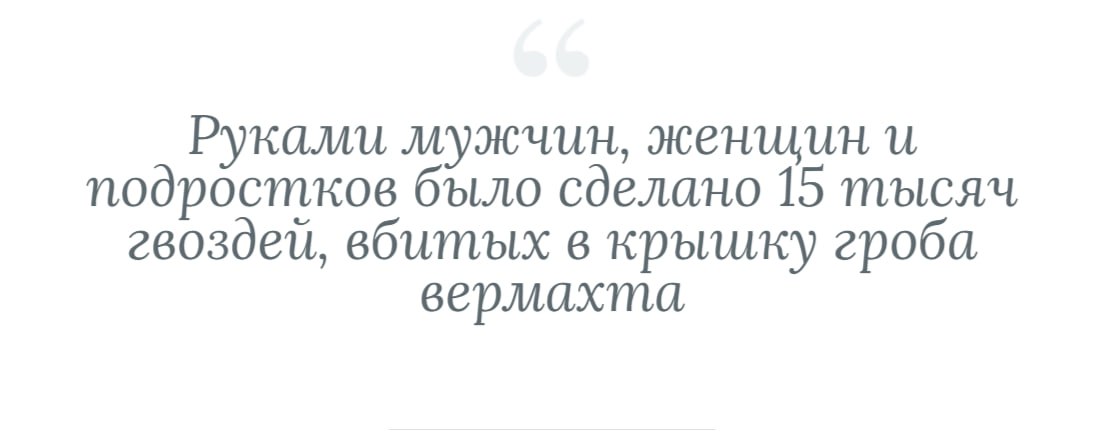
Alexander Prokhorov summarizes in his book "The Russian Model of Management":
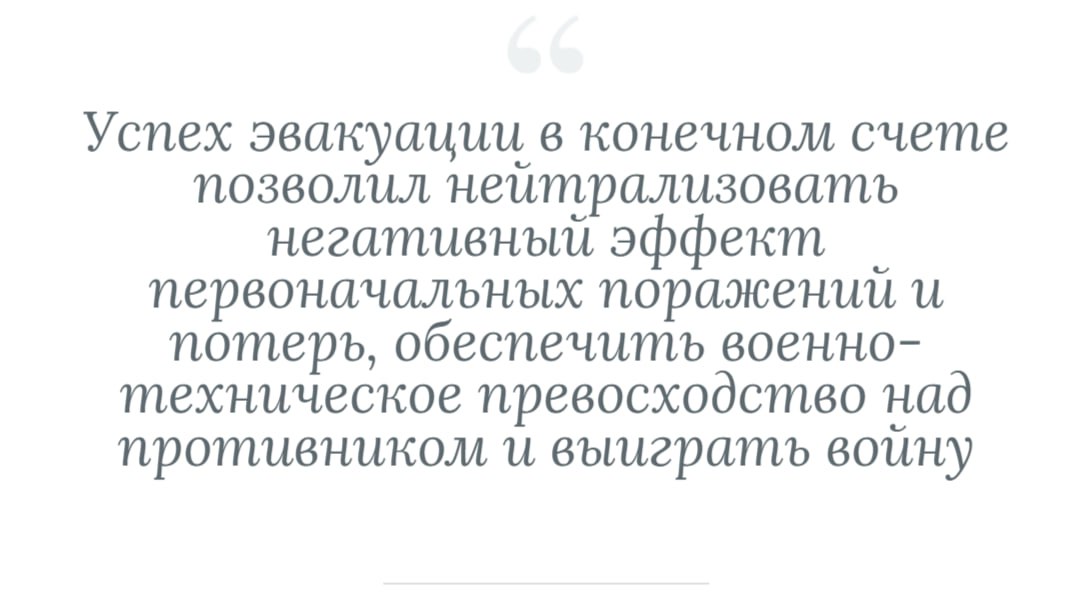
From the position of a project manager, I can only add that:
- Any bad plan is better than no plan.
- New - well forgotten old!
- Manage your reserves! They are always there.
- Create! He who seeks will always find.
- What our engineers did in the rear would later be called agile.
- Having a heart-to-heart talk with the team is something that cannot be ignored.
- Your project is part of a megaproject or other system.
Company PM Excellence actively uses the secrets of Soviet management of large programs and projects in the services provided by the PMC contractor. Company trainers PM Expert Examples of the achievements of Soviet industry are widely used in educational courses and trainings. Let's win together!
Used literature:
- Military review. Ode to Factory No. 18. https://topwar.ru/21272-oda-zavodu-18-posvyaschaetsya-sobytiyu-10-dekabrya-1942-goda.html
- IL-2: Five little-known facts about the legendary attack aircraft. https://dzen.ru/a/ZClAxpsgdGEZShCZ
- Evacuation of Soviet industry during the Great Patriotic War. https://dzen.ru/a/YpxPfbzFPX3fYBzA
- Prokhorov A.P. "Russian model of management."
- Materials of the UMMC Museum, Verkhnyaya Pyshma.
- Materials from the museum of the Aviakor plant, Samara.
- History of the Great Patriotic War. T 2.