
- Home
- News
- Articles
- All Articles
- Reducing project timelines
How to reduce project implementation time

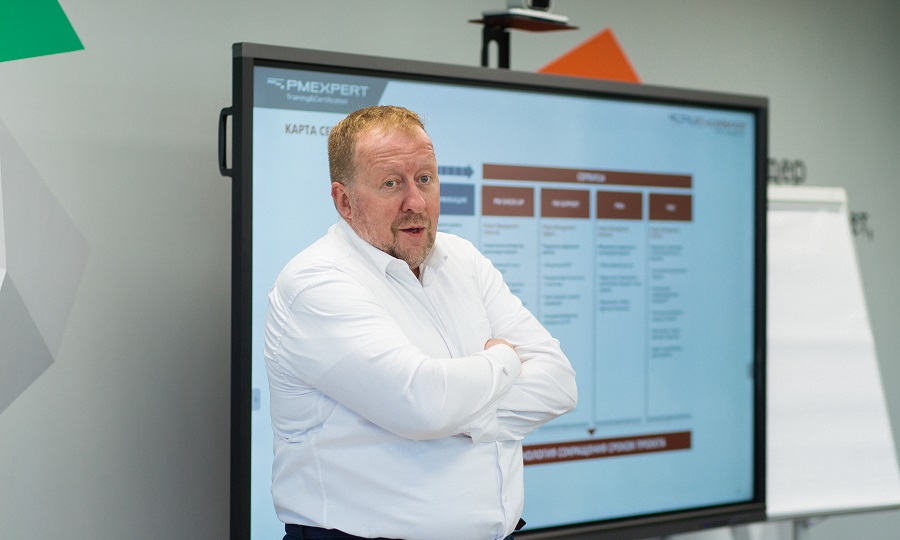
To prevent crisis situations, a proactive rather than a reactive approach is required, including both planning and management.
When it comes to large-scale projects and megaprojects, reducing implementation time becomes critical. Deadlines are not just a completion date, but a performance indicator that directly affects the finances, resources and success of the entire enterprise. In large-scale projects, every day of delay can result in millions in losses, which significantly reduces profitability. Alexander Kutuzov, PME, expert in managing large-scale projects and megaprojects PM Excellence, author of the Telegram channel "Megaprojects with Kutuzov", identifies two main reasons for delays: slow decision-making speed and the predominance of a reactive approach.
Slow decision-making is often associated with bureaucratic procedures and long approval cycles. Corporate processes in companies are often focused on operational activities rather than project activities. For example, purchases in large companies are usually planned long in advance in order to obtain maximum discounts. However, in projects where materials are needed urgently, such a mechanism becomes a serious obstacle. If a facility needs a pipe in a month, and the purchase is planned in six months, this will inevitably lead to a missed deadline. Planning according to the operating model comes into conflict with project activities, where the pace of work is completely different.
When working on projects, priorities can change dynamically, and sometimes the cheapest material is not the best choice if its delivery is delayed. An approach that focuses on time, not just cost, minimizes losses.
Another factor slowing down decision-making is "collective irresponsibility." In large companies, decisions often require multi-stage approval, and collegial management bodies gather even to resolve minor issues. This approach contradicts the principles of project management, where the project manager needs not only responsibility, but also the authority to make prompt decisions.
In practice, project managers are often faced with a situation where they are given responsibility for the result, but at the same time they are not given the authority to make operational decisions within budget or coordinate deliveries. As a result, the decision is delayed, despite the financial losses from downtime.
Many project managers also prefer to "steer according to the situation" rather than proactively plan and anticipate possible difficulties. Their work is dominated by a reactive approach to project management. It creates endless meetings, missed deadlines, and constant crisis management.
A reactive management style involves the project solving problems as they arise. In this model, there is no deep elaboration of the schedule and advance assessment of needs - everything is done in "manual mode". Project teams focus on solving current problems without planning ahead. Meetings focus on short-term goals instead of strategic planning. As a result, the planning horizon, which is extremely important for large-scale projects, is lost.
It is important to integrate all elements of the project together. To do this, a schedule network model is used, which helps determine sequences of tasks, critical and near-critical paths that need to be paid attention to. When developing a schedule network model, it is important to consider not only threats, but also opportunities. For example, if additional resources become available, they can be used to speed up current tasks.
To prevent crisis situations, a proactive rather than a reactive approach is required, including both planning and management. For example, in large-scale projects, one of the effective tools for reducing deadlines is the use of PM Excellence technology - TsORP: Centers for Rapid Response and Forecasting. The CIRP brings together key stakeholders who can make operational decisions to bypass bureaucratic barriers.
Reducing project time is not an easy task. This is a real challenge that requires the manager and team to master planning tools and the ability to quickly adapt to changing conditions. This is a true art of management, where every detail matters. The involvement of each team member, clear planning, coordinated work as a single mechanism, where each cog knows its place and its role - this is the key to success.