Home/ Large-Scale Projects Academy*
Managing large-scale projects and megaprojects

Large-Scale Projects Academy

Design and Planning Stage
(Definition Stage)

An expert session (Academy) with Alexander Kutuzov
and PM Excellence Practice Directors

*Academy (from the Ancient Greek Ἀκαδημία) takes its name from Plato’s school of philosophy, founded near Athens in the 380s BCE. Its core format is substantive dialogue with experts, sharing experience, and working together to find solutions.

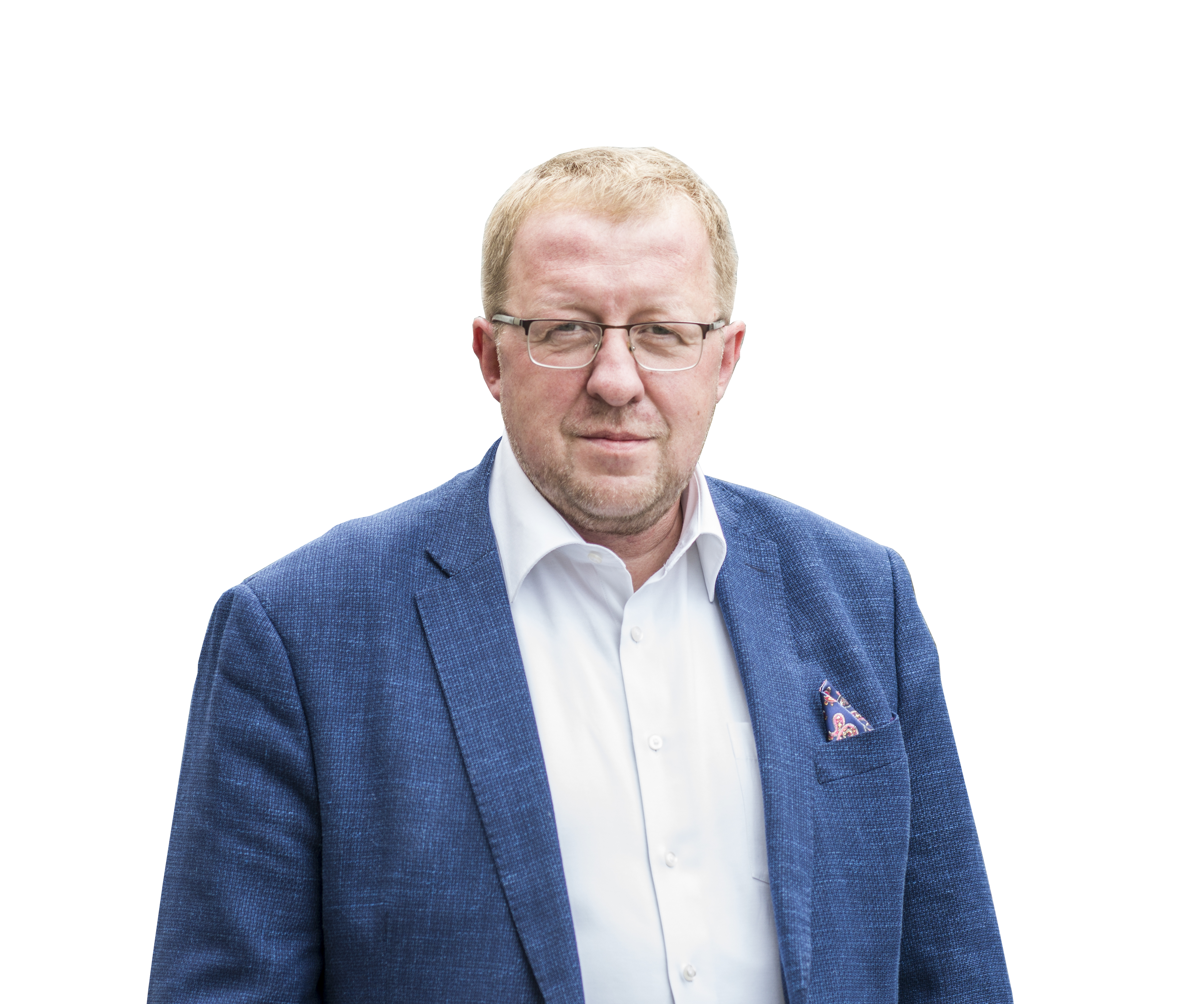
Alexander Kutuzov
From the session author

“Neglecting these steps or cutting corners on themcan lead to losses in the billions.”

Alexander Kutuzov, PMEFounder of PM Expert,
Senior Vice President of PM Excellence

Date and Time
December 5, 202610:00–18:00
Location
MoscowSwissôtel Krasnye Holmy
Format
In PersonUp to 15 participants
Fee
RUB 175,000VAT included
The Starting Point

The Definition stage has begun. What must not be overlooked?

Read More

The decision to move the program from the Selection stage to the Definition stage has been made on the basis of a decision package. The team moves into design while developing the project management and execution plans—essentially laying the foundation for every subsequent stage of the program. Can the senior decision-maker—whether an investor, an owner, or a CEO—be confident that nothing important has been overlooked?

In practice, this stage is often marked by mistakes that later lead to rework, late changes, additional costs, delayed start-up, and unrealized benefits:

  • critical requirements, particularly operational requirements, have not been fully identified;
  • the owner’s team exists only on an organization chart;
  • the contracting strategy has not been defined, and there is no clear change management procedure;
  • corporate processes continue to operate in business-as-usual mode;
  • the engineering design firm is selected primarily on price—or there is no choice, and the company must work with its own design institute.

On a large-scale project, mistakes like these can cost billions. In this session, we will examine what needs to be done now to avoid them.
The senior decision-maker should not take over the project team’s work. Their role is to know whom to ask, what questions to ask, what answers to expect, how to verify them, and which decisions to make within their authority.

These questions are at the heart of the Academy. We will explore what to do, what not to do, and what to require of the team so that senior decision-makers can have greater confidence in the soundness of their decisions and reduce the risk of losses in subsequent stages of the program.

Agenda

Academy Topics

The focus is on management decisions at the start of the Definition stage.

01

The Program Context and Key Management Roles

How do a portfolio, a program, an integrated project, and a standalone project differ? Who is accountable for benefits, and who is accountable for the deliverables at the current stage? What are the objectives and outputs of the Definition stage? Where should you start when defining the scope boundaries? How should requirements be gathered, and from whom? How can responsibility and authority be aligned?

02

The Project Manager

What qualities and experience does a project manager need at the Definition stage? Who should not be appointed project manager? What should be expected of the manager now, and how should their role evolve as the integrated project takes shape?

03

The Owner’s Team and Organizational Readiness

What is the minimum team required from the very start of the stage? How can the company prepare for project-based work, resolve conflicts within the matrix organization, and adapt its materials supply, procurement, contract administration, and resource allocation processes? What is the cost of the team taking too long to reach the required level of effectiveness?

04

Contracting Strategies

What contracting strategies are available for project delivery, and how should their advantages and risks be assessed? Which strategies are applicable in today’s Russian context, and under what conditions? What does the principle of constructive challenge involve?

05

Design Management

How can the future operating organization be involved in planning and design, and its requirements incorporated? How should collaboration with the engineering design firm and detailed planning of design documentation be organized? What should you do when you have to work with your own design institute? When is an external design firm or a combined approach appropriate?

06

Developing the Management and Execution Plans; Managing Change

What information from the Selection stage should inform planning? What should the plans contain now, and by the end of the stage? How does the baseline differ from the current plan? Why is a schedule network model needed, and how should the “plan–actuals–forecast–priority” principle be applied? How can an effective change management system be established?

07

Stage Risks and Immediate Actions

Which risks require the senior decision-maker’s attention? How does proactive risk management contribute to program success? How can you verify that risks are actively managed rather than merely listed in a formal register? What needs to be put in place, checked, or corrected over the next 30 days?

↗
What You Will Gain

Analysis and reasoning for sound, timely decisions that reduce the risk of major losses

You will be able to compare the way your project is organized with the approaches discussed: identify which issues have genuinely been resolved, which answers from the team need supporting evidence, and where your intervention is required. Instead of reassuring claims that “everything is under control,” you will have specific questions and answers, verifiable evidence, and priorities for immediate action.

◎
Audience

Who Should Attend

For senior decision-makers, owners, investors, CEOs and their deputies, investment and development directors, and investment program managers who make key decisions or directly influence them.

Industry focus: oil and gas, mining, metals, energy, industrial construction, and major infrastructure. The reference scale is projects with capital investment budgets of RUB 10 billion or more.

◌
Format

The Academy is a substantive dialogue with experts and an exchange of views—not a training course

Short original presentations, anonymized real-world situations, professional discussion, and participant questions. We discuss management, not technical solutions. There are no role-playing exercises or a single case study running throughout the session. Registered participants may suggest topics in advance without disclosing confidential information.

Session Leader and Expert Team
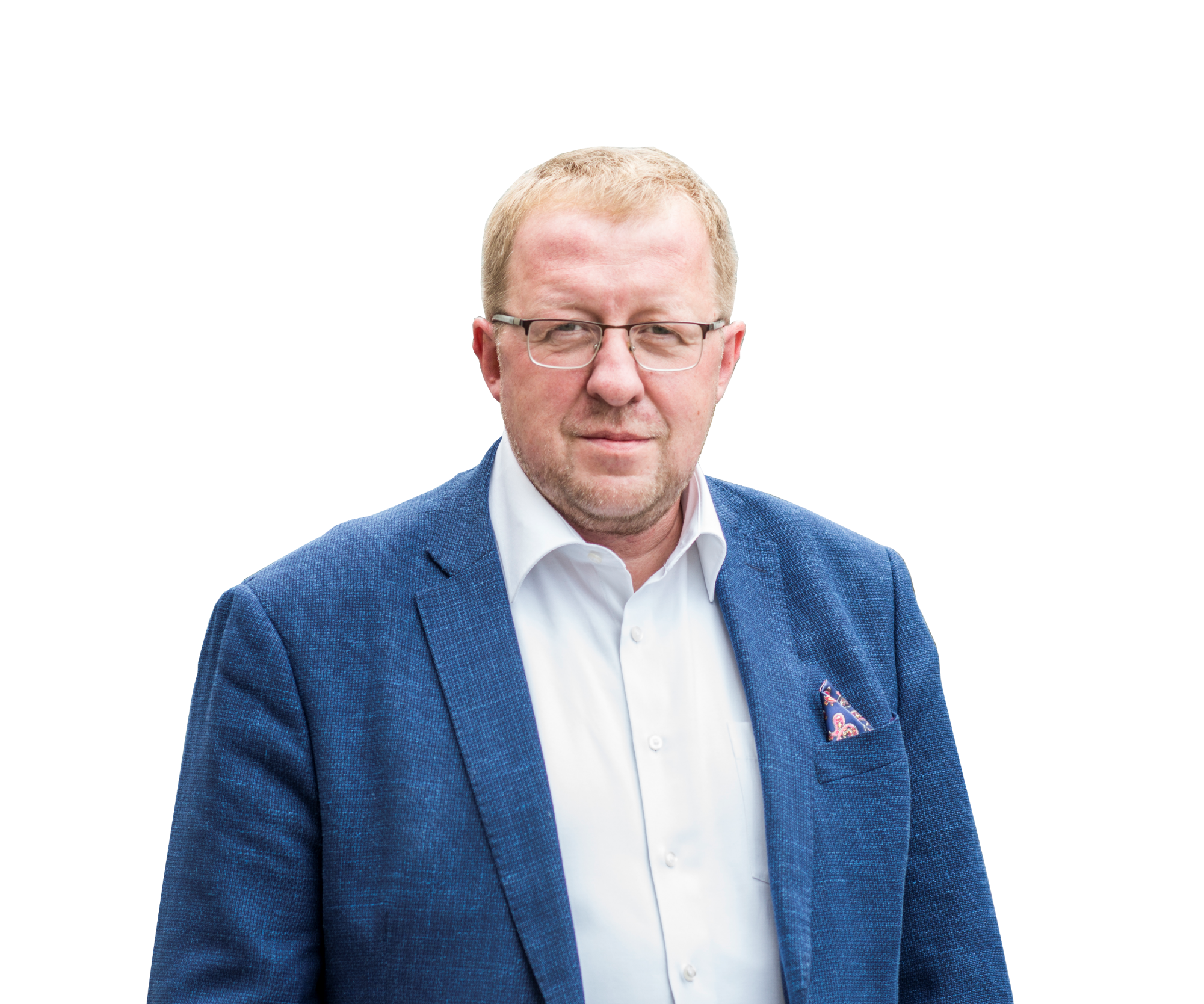
Alexander Kutuzov

Alexander Kutuzov, PME

Founder of PM Expert · Senior Vice President of PM Excellence

Over 20 years of experience in managing large-scale projects, programs, and portfolios.

The session is complemented by the expertise of PM Excellence Practice Directors: Vladimir Baranov, Nikolay Burtsev, Yuri Zinchuk, Alexander Kochetov, Pavel Lavrentiev, Evgeniy Pikulev, Ivan Smirnov, Roman Cheremisin, Sergey Shtanko, Alexander Shaturny. The lineup of Practice Directors speaking at the session will be confirmed separately.

Methodological Foundation

PM Excellence’s Proprietary Standards

The session draws on the PM GUIDE, PM GATE, and PM PORTFOLIO standards for project, program, and portfolio management. These standards were developed using leading international practices and the PM Excellence team’s extensive experience in managing large-scale projects and megaprojects in Russia.

Date and Format
December 5, 2026

10:00–18:00 · Moscow · in person · up to 15 participants

Fee
RUB 175,000

Per participant, VAT included.

✓
Included in the Fee

Individual Consultation

60 minutes with Alexander Kutuzov
or
2 hours with PM Excellence Practice Directors

Following the in-person session, a confidential discussion of one project or investment program. You may invite colleagues from your company to join the meeting.

Venue: Swissôtel Krasnye Holmy

Four 90-minute sessions. Coffee breaks and lunch are included in the fee. The day concludes with a light buffet reception and informal discussion among participants.

Register

services@pmce.ru
+7 967 164 23 62 · Nikita Alexandrovich

Submit Request

Request Participation

Online submissions are not yet enabled in this English version. Please contact us by email or phone.

services@pmce.ru
+7 967 164 23 62