
Construction Project Management - Tools for Creation
08.07.2025

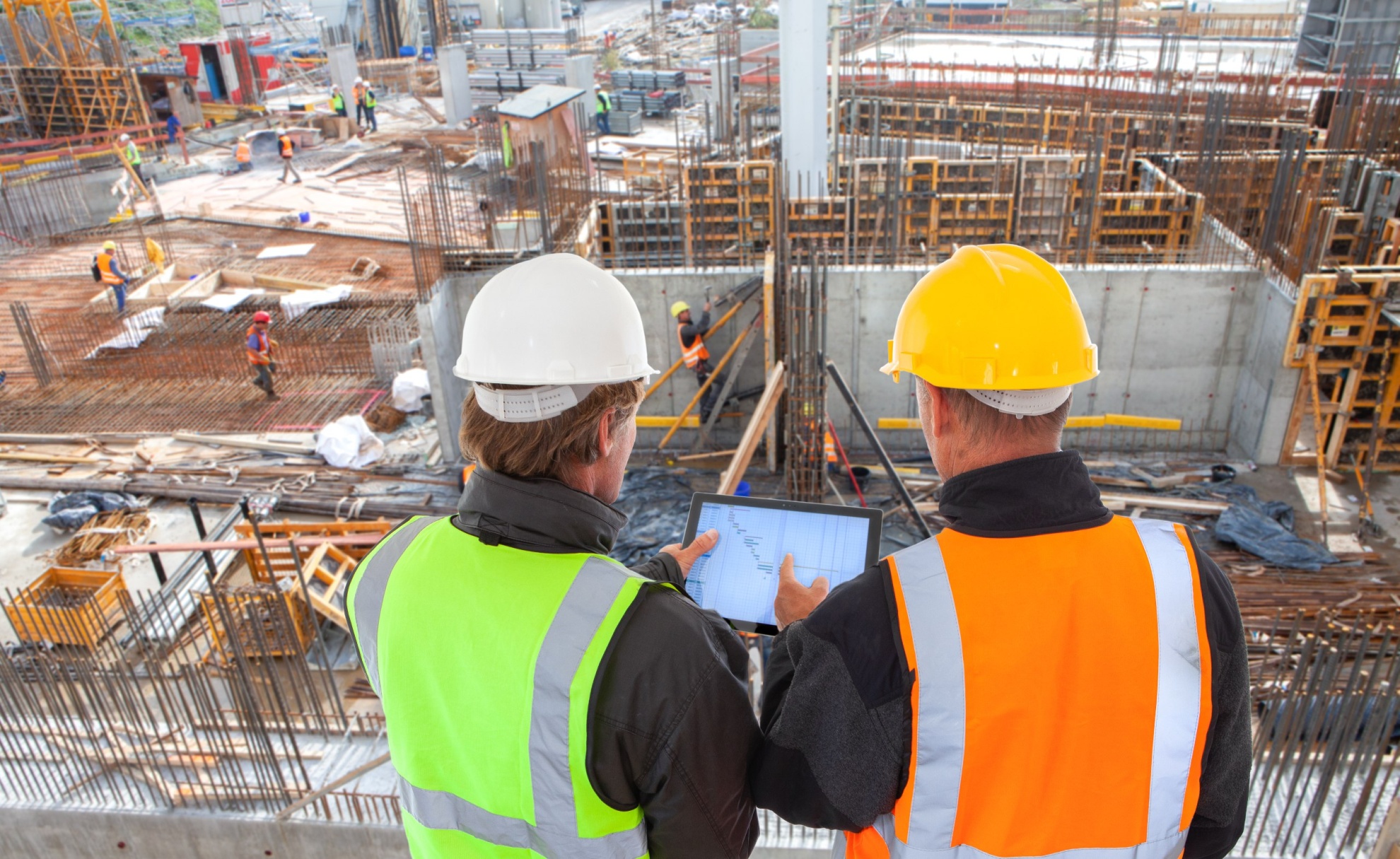
Managing construction projects requires a thoughtful approach and integrated use of modern methods and tools. The success of any construction project depends on many factors, among which the following repeatable sequence of actions aimed at achieving the goal are of particular importance:
Careful planning: a detailed analysis of each stage of construction helps to avoid mistakes and reduce losses. Skilled scheduling, resource assessment and determination of key performance indicators help build a clear picture of the future facility and how it will be built.
Strict control: adherence to project requirements at every stage provides guarantees of achieving results. Systematically monitor work progress, track progress to manage time frames and resources, and analyze timely achievement of intended goals.
Risk management: Identifying likely threats and developing ways to minimize them reduces the likelihood of difficulties occurring. Creating backup plans and using special methods for analyzing potential losses increases the reliability of planned project activities.
Participant collaboration: Effective collaboration among all parties involved in construction processes speeds up decision-making and improves communication. The use of specialized platforms and data exchange tools simplifies the coordination of team efforts.
Each investment construction project goes through a number of successive stages: initiation, planning, implementation, launch and commissioning of the facility. Each stage has its own specific tasks and goals that require close attention from management. It is important to consider that each stage, as activity increases, involves many participants in the implementation of the project, among which the key roles are played by: the customer, investor, designer, general contractor, subcontractors, suppliers of materials and equipment, as well as supervisory authorities. Each of these participants has its own priorities and limitations.
The implementation of projects requires a clear distribution and adherence to responsibilities and areas of responsibility between all participants in the process. Coordinating the activities of these participants, as subjects of a unified system for the construction of buildings and structures, requires a high level of professional training and significant experience. This is why the involvement of a professional management team (as early as possible) to manage the construction project is a success factor. For example, it may be an external management company acting on the basis of a contract and in the interests of the developer (investor) within certain powers, striving to achieve the goals of the investment and construction project.
A project management company serves as the PMC contractor, ensuring effective coordination and communication between all parties involved in the project. This professional organization is committed to streamlining work processes, ensuring the most efficient use of available resources and reducing the risk of missed deadlines and cost overruns. This helps reduce losses and strengthen control over work deadlines.
What is the secret of a project management contractor?
A Project Management Contract (PMC) is a service that guides construction projects through all stages, from project inception to completion. Unlike contractors who do the physical work, PMCs focus on project goals, planning, and project management. They control the entire process: from the initiation of technical specifications for the design of an object to the transfer of the object into operation, acting as a reliable partner of the owner in solving complex problems.
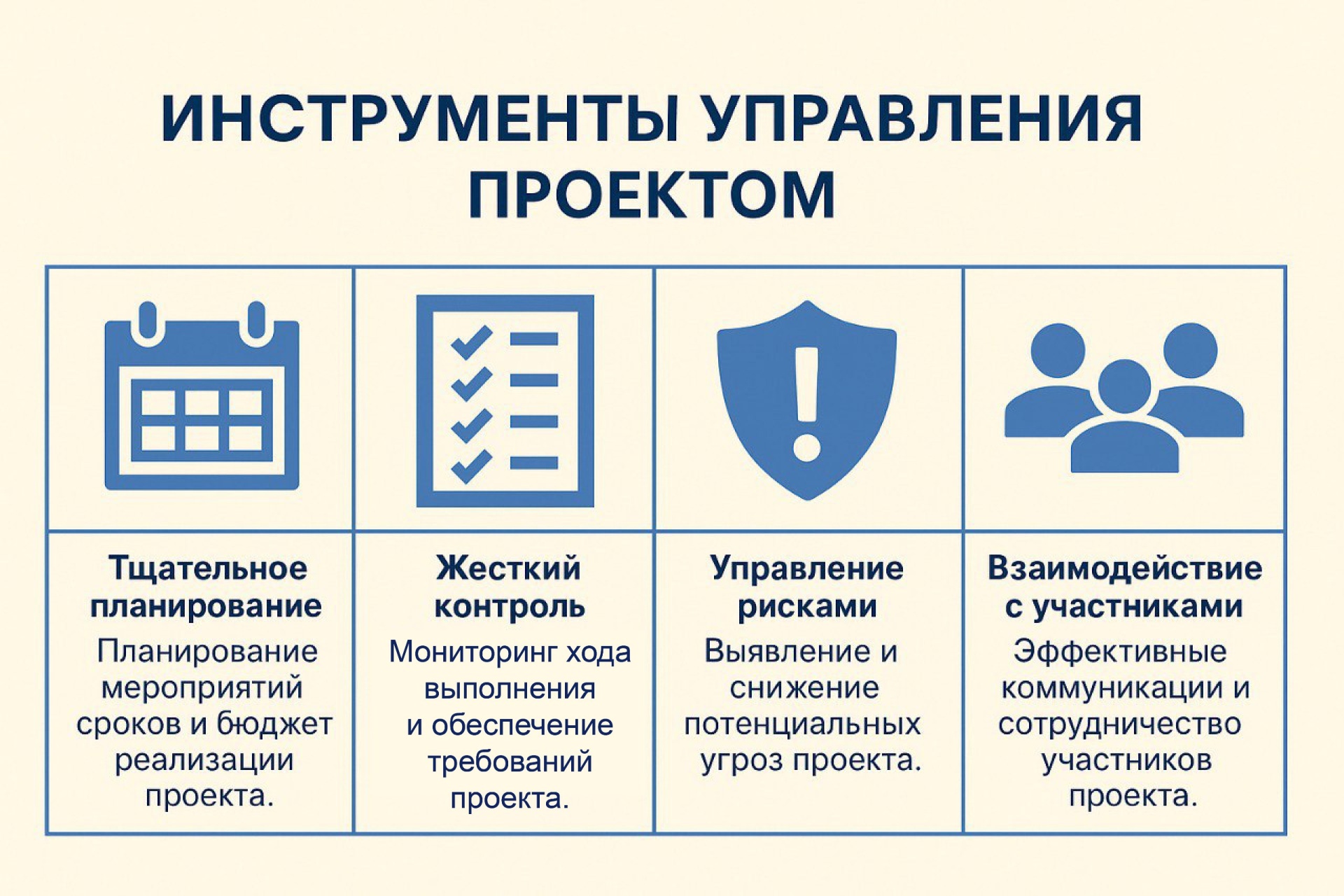
To better understand how success is achieved, let's take a closer look at the tools used in construction project management:
Planning
The first and most important step of any project is proper planning. It includes the development of a detailed work schedule that takes into account the sequence of tasks and the allocation of all resources: people, machinery, materials, equipment, including financing, for the successful completion of the project within a predetermined time frame and within budget, and also ensures transparency of the process for all stakeholders.
The importance of planning is:
- Define deadlines: set clear start and end dates for each task, work, ensuring timely completion of the project, without disrupting the sequence of actions.
- Assess resources: calculate the required amount of resources (people, equipment, machinery) and materials necessary for the successful implementation of the plan.
- Create reserves: provide a reserve of time, funds and resources to mitigate the consequences of unforeseen situations and minimize risks.
Control
Effective control at all stages of construction is critical to achieving planned results. It includes systematic monitoring of deadlines, budget control and ensuring that work meets established quality standards.
Key control activities:
- Tracking: Collection and analysis of actual data on the progress of work, determining the extent to which actual indicators correspond to planned ones.
- Analysis: Comparison of the current state of work with planned indicators, identifying deviations and developing corrective measures.
- Correction: Planning and implementation of actions aimed at eliminating identified deviations and bringing the progress of work into accordance with the approved plan.
Risk management
Any construction project is subject to various risks associated with economic, technical and natural factors. Professional risk management involves systematically analyzing potential threats and developing strategies to minimize them.
Risk management methods include:
- Risk Identification: Identifying and classifying potential risks that may affect the progress of the project.
- Threat Response: Developing and implementing plans to respond to emerging risks.
- Contract strategy taking into account risks and response measures: Use of tools as part of the conclusion and implementation of a contract for the supply of services, equipment and materials to avoid possible losses associated with the realization of risks.
Participant interaction
The successful completion of a construction project largely depends on the effective coordination of the efforts of all participants: designers, engineers, suppliers and contractors. Clear interaction and transparent communication contribute to prompt resolution of emerging problems and prevent misunderstandings.
Basics of interaction between project participants:
- General information field and information exchange: Organize regular meetings to discuss the current status of the project, exchange information and make joint decisions.
- Timely approval: Prompt approval of all decisions and plans between project participants.
- Trust and Collaboration: Maintaining an atmosphere of trust and collaboration between all teams involved in the project.
Separately, it is necessary to take into account the process of using method approaches based on specialized platforms, i.e. automation of monitoring processes and the use of analytical tools that increase the overall effectiveness of project management.
Without the use of specialized platforms and information exchange tools, the actions of the management team become labor-intensive, especially taking into account the requirements for the volume and efficiency of data processing.
The main information models used in construction and supporting the basic tools and methods of project management are:
Schedule network model - an image of a project plan: is the information core and a prerequisite for a successful project, regardless of its complexity and scale. It allows you to systematically present the progress of work, manage the process of their implementation and distribute resources. The schedule network model provides the ability to assess deviations from the plan, monitor implementation and make adjustments in accordance with current conditions.
Building and Structure Information Modeling (BIM) technology - project product image: a three-dimensional digital platform that provides a visual representation of objects and allows you to optimize the design and construction processes. Thanks to the digital representation of all the necessary information about the design of the facility and equipment, it is possible to avoid errors and omissions, reduce costs and shorten construction time.
Conclusion
Effective management of investment and construction projects is the basis for their successful implementation. Competent planning, quality control, risk management and organization of interaction between participants allow projects to be implemented on time and within the established budget. Hiring professional project management companies (such as PMC) helps improve overall efficiency and reduce possible risks.