
Project management in construction. Lean construction and AWP: exploring possibilities

(Building Industry Institute Lean Construction Institute. University of Texas at Austin Special Report. December 2022. Contributing Authors Peter Court, Integrated Project Delivery, LLP Eric Crivella, Bentley Systems, Fernando Espana, Construct-X, Co-Chair, Dan Fauchier, The ReAlignment Group of California William O'Brien, The University of Texas at Austin Sean Pelligrino, Chevron (Retired), John Strickland, Burns & McDonnell, Co-Chair, Paras Trivedi, Dassault Systèmes SE.
Editor Michael E. Burns)
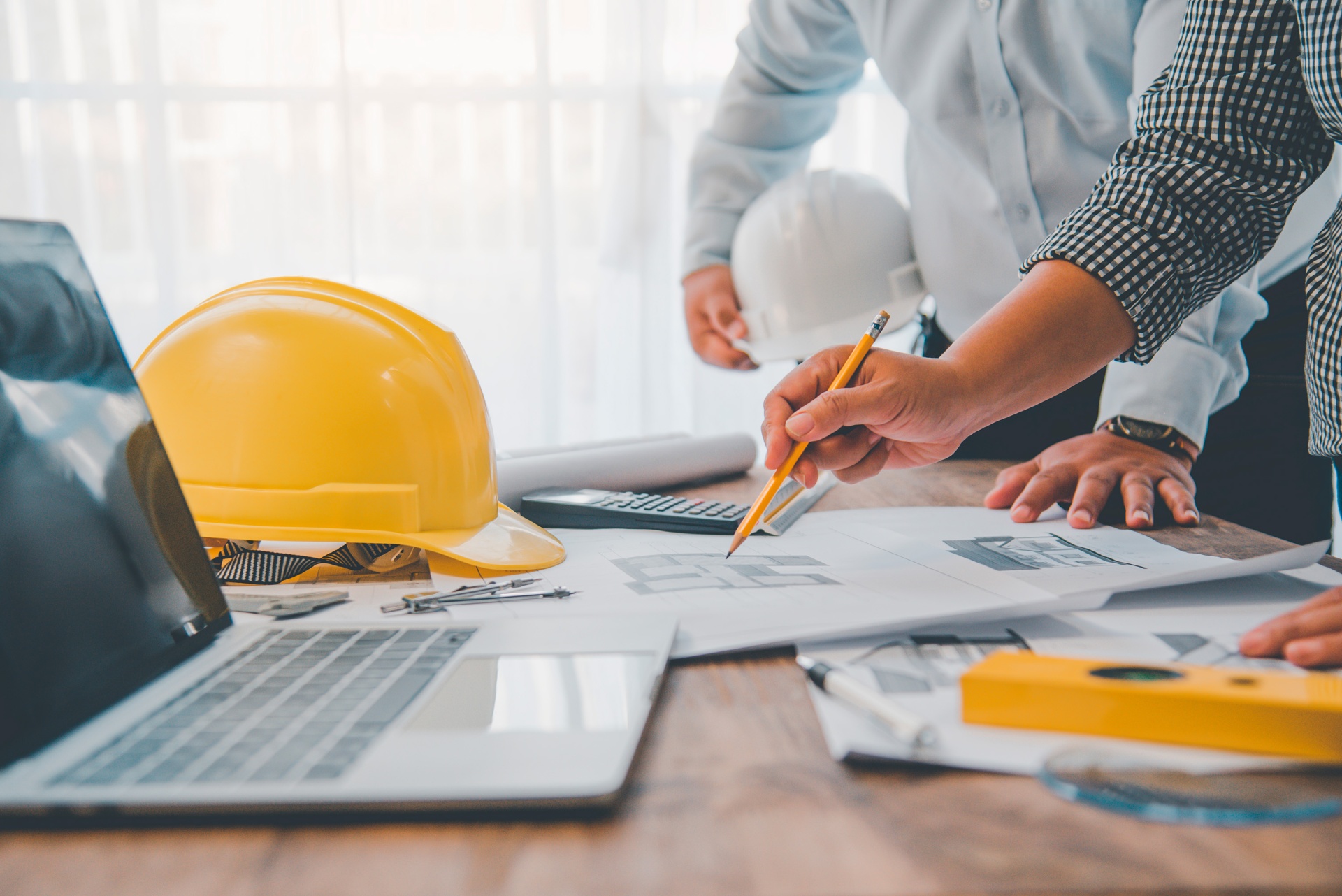
Lean construction (Lean) - lean construction and Advanced Work Packaging (AWP) - the methodology of progressive work packaging (or "the general process of dividing an object into a sequence of detailed work packages of various purposes and detail") have various options for describing processes and structure. But they are united by a common goal - increasing the efficiency and quality of implementation of large-scale projects.
Both approaches emphasize managing constraints to enable productive construction activities on and off site, including off-site fabrication and pre-assembly. In addition, both approaches emphasize broad stakeholder involvement and participation in the early project planning process to facilitate agreement and improve coordination of processes.
Managing constraints throughout the project life cycle and ensuring a smooth and timely flow of integrated work and associated deliverables (physical and informational) are the primary goals of both Lean Construction and AWP.
What these two methodologies have in common and most important is the recognition that the safety, health and well-being of the worker can be included in the process.
With this in mind, lean construction and AWP are not identical. The main differences lie in the description of the approaches, where each approach has its own unique methods. Lean construction is based on the philosophy of developing a culture of values based on mutual trust and respect to support production and the use of a set of tools for implementation. The essence of AWP is a more structured approach to improvements in typical execution in the industrial sector through the definition and organization of constraint-free implementable work packages.
Early planning
Lean construction emphasizes culture and collaboration using "big room" style meetings. In this approach, all stakeholders and participants in the project management process come together to exchange information, discuss developments and agree on project plans, and generally achieve consistency in project execution among stakeholders.
In the context of early planning, such meetings are often used to promote "target value delivery," a construction project management practice that is applied throughout the project to ensure the facility meets operational needs and customer values. The facility must be implemented within an acceptable budget and promote innovation throughout the process to increase value and reduce costs and expenses (measured in time, financial costs and human effort). In lean construction, big room meetings are an integral element in achieving the goal of increasing project value and collaboration among project stakeholders.
Interactive planning begins early in the project during early project planning. These meetings and the associated pre- and post-process phases are aimed at developing a comprehensive project plan from design to construction, commissioning and start-up to handover to the customer. This plan typically includes the creation of construction work areas, which represent the spatial division of project work into work areas ("CWA" - Construction Work Area) and following a path of construction ("POC" - Path of Construction), which determines the overall sequence of the project. Closely related to POC is the development of civil works.
Construction Work Packages (CWPs) and Engineering Work Packages (EWPs) have clearly agreed upon geographical boundaries. The formation of consistent CWPs and EWPs is a key outcome of early project planning in Advanced Work Packaging (AWP). Management of CWPs and EWPs is a central component of AWPs during the detailed design, procurement and construction phase, where CWPs are available for advanced planning. CWPs are further divided in detail into numerous installation work packages ("IWP" - Installation Work Package).
Implementation of field work
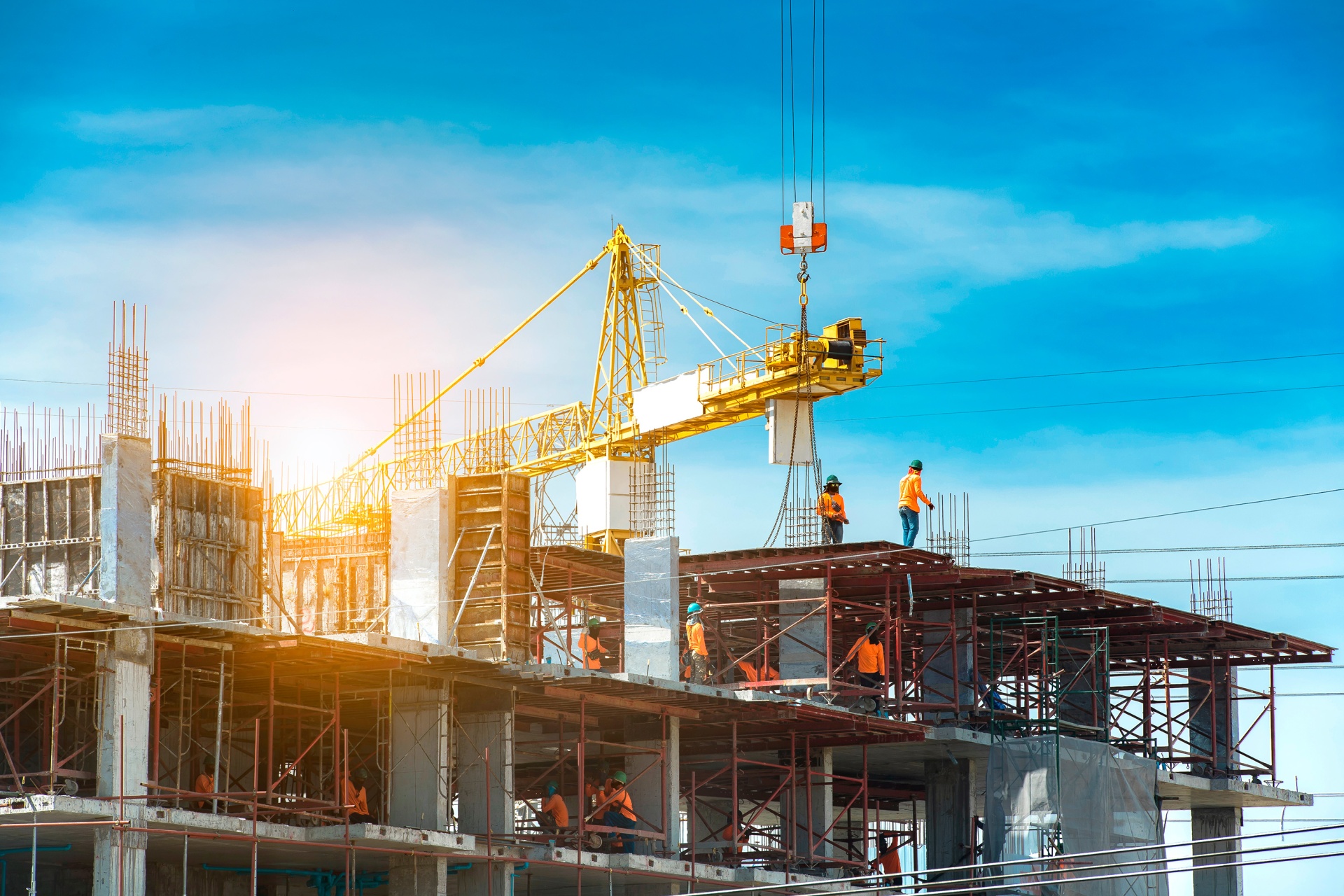
Both Progressive Work Packaging and Lean Construction methodologies place a strong emphasis on improving labor productivity in the field (including modular construction, off-site fabrication, and prefabrication).
Lean construction is closely related to constraint management and production safety through the Last Planner System planning methodology, which protects production from work that is not ready by implementing a process for identifying and eliminating constraints (such as missing materials or unavailable equipment).
The basic concept of the Last Planner System is that the Foreman (direct field supervisor), who is the Last Planner, is responsible for implementing constraint management processes to organize and release field work with all constraints removed.
Short-term production planning is also closely linked to Lean Construction and the Last Planner System to help prioritize work to be completed as well as to manage constraints. Short-term planning is typically used to make decisions about what work needs to be done first and to translate network planning into field work plans. Lean planning tools - line of balance, incremental planning and tact-based planning are also often associated with specific field management efforts within the Lean/Last Planner System, aimed at ensuring a stable, continuous pace of field work and preventing duplication of work.
The AWP progressive work packaging methodology is similar to Lean construction in its strict process of managing constraints for field work - the WorkFace Planning (WFP) methodology.
WFP is the process of organizing and supplying all the necessary elements (organizational and technological documentation, materials, equipment, machinery, scaffolding, etc.) to complete installation packages of work before the start of work. Field work is combined into installation work (IWP), which is formed from construction work packages (CWP).
IWPs are used to create a constraint-free work environment by providing crews with all the materials, equipment, and information needed to complete each IWP. Installation Work Packages (IWP) are the final stage of the Progressive Work Package (AWP) process. The execution of IWPs and their associated constraints are typically managed through the master project schedule and the IWP release plan. IWPs are implemented according to a structured plan, but with flexibility to allow for changing conditions.
Responsibility for defining and managing IWP rests with the Work Resource Planner, a specialized position that is in addition to the traditional project-based field supervision structure. To ensure that work is unconstrained, comprehensive, and carried out properly, planners must have professional knowledge and the ability to work closely with superintendents, senior superintendents, and any management during planning.
The position of a work resource planner is to assist field managers in order to free up time for working in the field with crews. Nowadays, IWPs often take several days to complete and foremen are still actively involved in project planning and on-site construction management as part of the scope of work assigned to the IWP.

Strengths
Lean construction is a well-known execution philosophy as well as a set of approaches and tools. At the heart of Lean culture is the philosophy of respect for people. Regular "kaizen" (continuous improvement) activities reflect the belief that "with every pair of hands comes a free brain." At the core of lean construction is the assumption that the most innovative ideas for improving productivity can often be gleaned from those who actually do the activity. In contrast, the practice of engaging workers to help identify and develop creative ways to enhance flows, add value, and reduce waste is typically not a core part of the AWP discussion, its value remaining unclaimed and unexploited by expert AWP practitioners.
Most lean manufacturing tools (e.g. Last Planner System, TVD, Variable Design SBD, CBA) rely on team collaboration.
Ideally, in lean projects there are no "subcontractors", but there are "trade partners". This culture of respect extends throughout the lean project supply chain. Lean has been proven to improve not only the time, cost and quality pyramid, but safety and morale.
It is "respect for people" that is part of the lean philosophy, which values stakeholders not only for their work, but also for their creative ideas. Lean is responsible for the increased morale often reported by participants in lean projects.
Adopting a TVD (Target Value Delivery) approach to project design and delivery provides greater efficiencies for early planning activities in expanding and increasing collaborative AWP processes in the early planning stages and increasing project value. Lean manufacturing modeling and planning techniques can be added as complements to AWP processes to improve production value.
AWP is highly practice and process oriented. It provides a more complete description of the actions that must be taken in the project to achieve the goals. These processes are largely based on some well-known practices in the industrial sector and on proven CII best practices such as Front End Planning, Planning for Startup and Constructiveness. Integrating detailed process descriptions into existing practices makes implementation more consistent and facilitates adaptation; When transferred to other sectors, these processes can increase the programmatic value of Lean implementations.
Breaking down a project into explicit and coordinated CWAs, CWPs, EWPs, and IWPs requires a level of discipline beyond typical design practice in the Lean world. Implementation of CWP and EWP helps expedited projects improve planning to coordinate design with construction schedule and increase tracking to move toward an integrated schedule. It has also been shown that work packages are compatible with BIM (Building Information Model) design, so AWPs can be associated with certain digital project delivery efforts.
Clearly, AWP professionals can take advantage of proven lean construction techniques to further increase collaboration, reduce waste, and achieve better project outcomes.
Likewise, lean construction professionals can take advantage of proven AWP techniques to bring more structure to project delivery to enhance planning and execution capabilities.
Moreover, with the ever-increasing use of technology, control system automation, both groups can complement each other's knowledge and skills to achieve a high level of "industrialized" construction that takes into account all the key factors: People, Process, Technology and Culture.