Igor Kurchatov: Leader of the nuclear megaproject
17.02.2025

While on a business trip in Chelyabinsk, I was glad to see the new Chelyabinsk air terminal, which bears the name of Igor Vasilyevich Kurchatov. Firstly, because the new airport has become the face of the city. Secondly, now there is a reason to remember the legendary Soviet nuclear megaproject. This is where this publication came from.
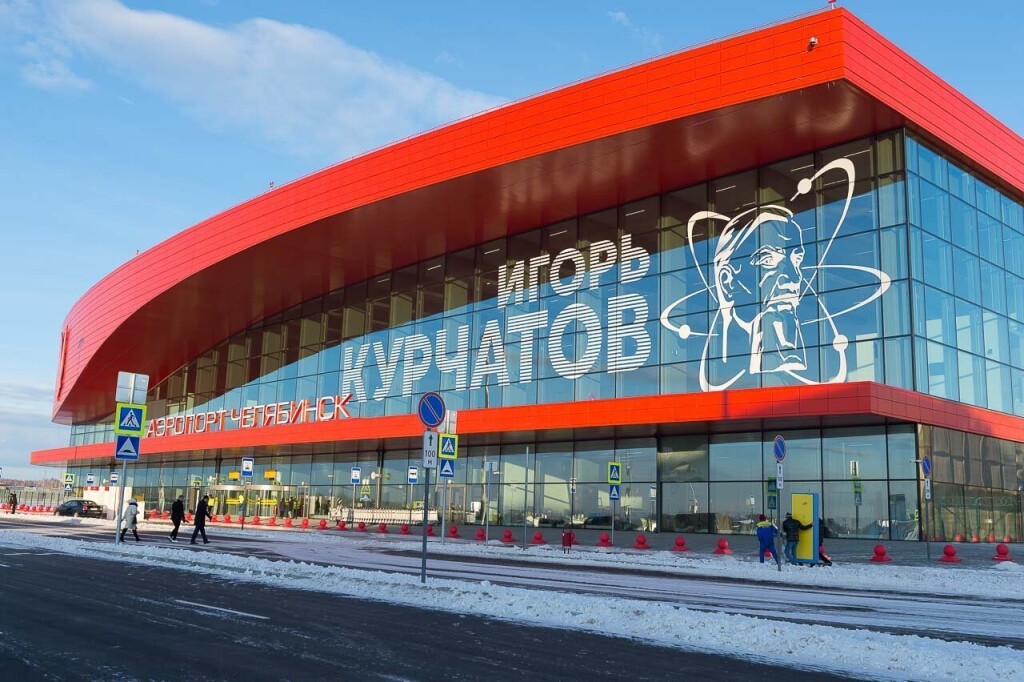
Fig.1 KURCHATOV International Airport in Chelyabinsk
The Great Patriotic War was in full swing when the State Defense Committee (GKO) formulated the task of creating nuclear weapons in our country. Scientists were ordered to "resume work on the feasibility of using atomic energy by splitting the uranium nucleus and submit a report on the feasibility of creating a uranium bomb by April 1943."
The implementation of the strategic megaproject was undertaken by Laboratory No. 2 under the leadership of I.V. Kurchatov in the north-west of Moscow. The young scientist was given broad powers to attract institutes, design bureaus, factories, and specialists from the active army.
Scientific work has developed in several directions:
- Creation of various types of nuclear reactors
- Construction of the cyclotron
- Carrying out physical and chemical research.
Work at the cyclotron made it possible, by irradiating uranium with neutrons, to accumulate indicator quantities of a new element that does not exist in nature, plutonium, the main substance for a nuclear charge.
To speed up this work, the country's leadership appointed Lavrentiy Beria as curator.
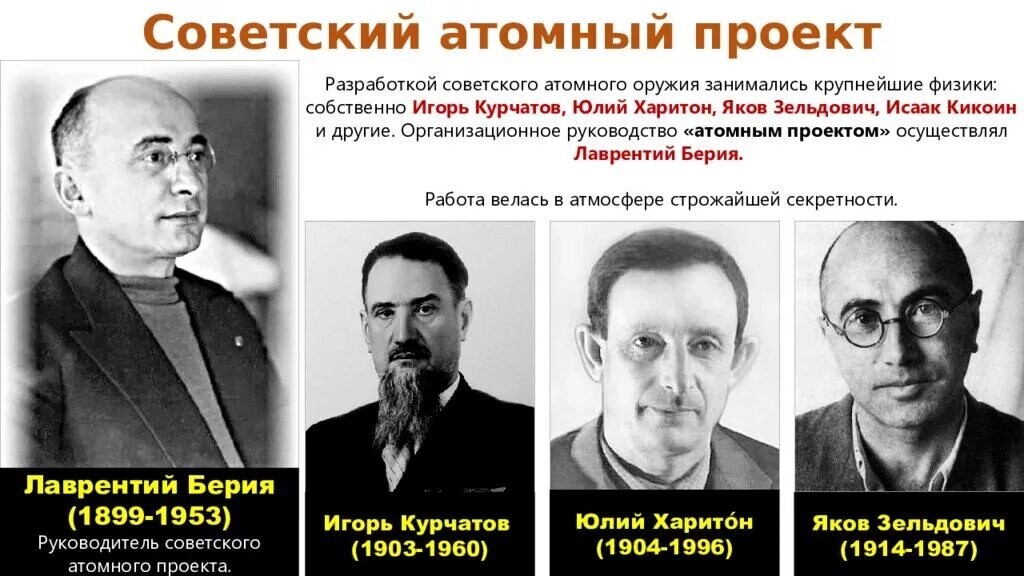
Fig. 2 Management of the nuclear megaproject
Formally, work on the Soviet atomic project began on September 28, 1942, when the USSR State Defense Committee Order No. 2352 was issued, classified "top secret" - "On the organization of work on uranium."
On April 12, 1943, by order of the USSR Academy of Sciences, Laboratory No. 2 was organized, headed by I.V. Kurchatov, a forty-year-old employee of the Leningrad Physico-Technical Institute. Back in 1935, Kurchatov published a monograph "Disintegration of the Atomic Nucleus" and two textbooks for physics departments.
Kurchatov attracted to the solution of the task the most talented and ready specialists in their pre-war activities: Yu.B. Harton, Ya.B. Zeldovich, G.N. Flerov, I.K. Kikoin, A.I. Alikhanov. They had to compete with the best physicists in the world, gathered in the USA to solve this problem and who had been actively working on it for almost three years.
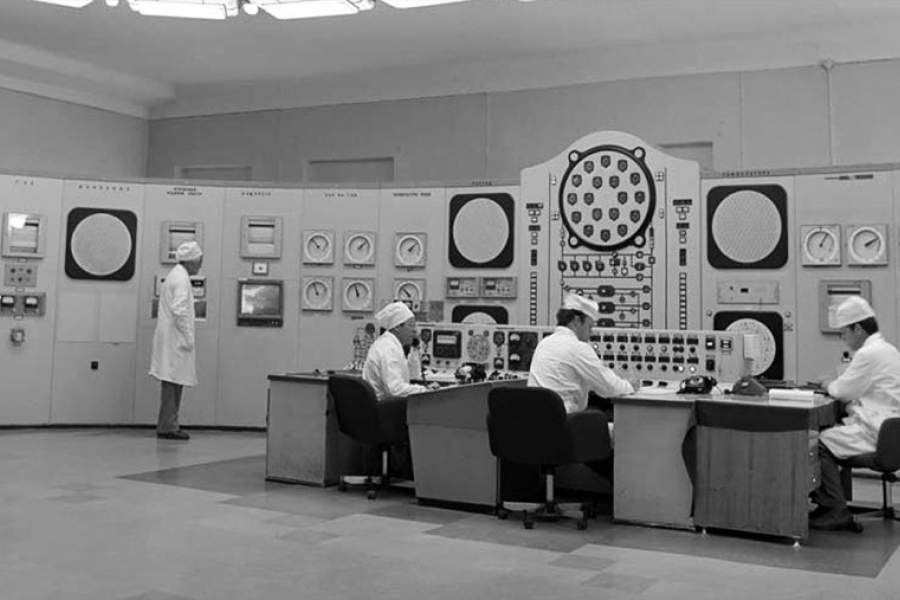
Fig. 3 Photo chronicle of the Kurchatov megaproject
According to colleagues, Kurchatov had extraordinary organizational skills. Leading scientists is a special art. Kurchatov managed to achieve fantastic performance from his employees only because he himself worked harder than others, without a break. This gave him the right to "overload" everyone who worked on the atomic project. And achieve your goal.
Initially, all efforts were aimed at creating a nuclear reactor that could produce the required amount of plutonium (an element that does not exist in nature) to make an atomic bomb. As a result of the experimental work performed, the required characteristics for the purity of reactor materials - uranium and graphite - were determined. A technology for their production in the required quantity was developed.
In 1943, geological exploration work began to search for deposits of uranium ores, and their mining and processing was organized.
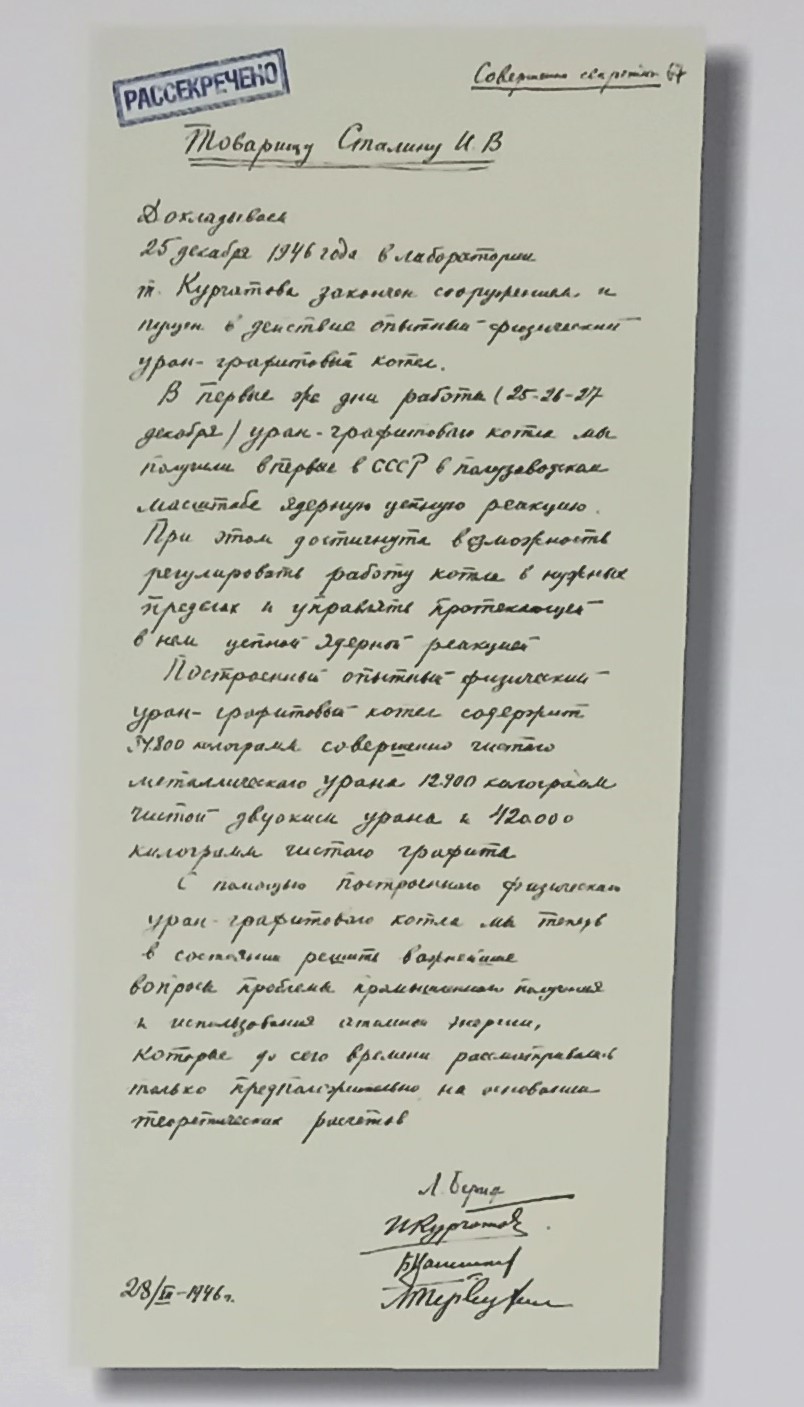
Fig. 4 Note from the management of the megaproject to I.V. Stalin
But this was only the beginning of the most expensive project in the history of Soviet science and the defense industry (it is known that the creation of the rocket industry and astronautics required much less capital investment).
In 1945, they began to produce uranium and graphite of the required quality and in the required volumes. As materials were received from enterprises, modeling began on the assembly of the reactor core, which they decided to build on the territory of Laboratory No. 2. Day and night, in army tents, scientists, laboratory assistants, and workers assembled graphite prisms with uranium, conducted experiments, studied the characteristics of uranium blocks, and selected their optimal sizes.
In 1946, a special building was built with a reactor shaft 10 meters deep, with reliable biological protection, internal and external radiation monitoring devices, and remote control of the reactor. From various options, a heterogeneous reactor was chosen, where uranium is located in separate blocks between a reaction moderator, which was graphite.
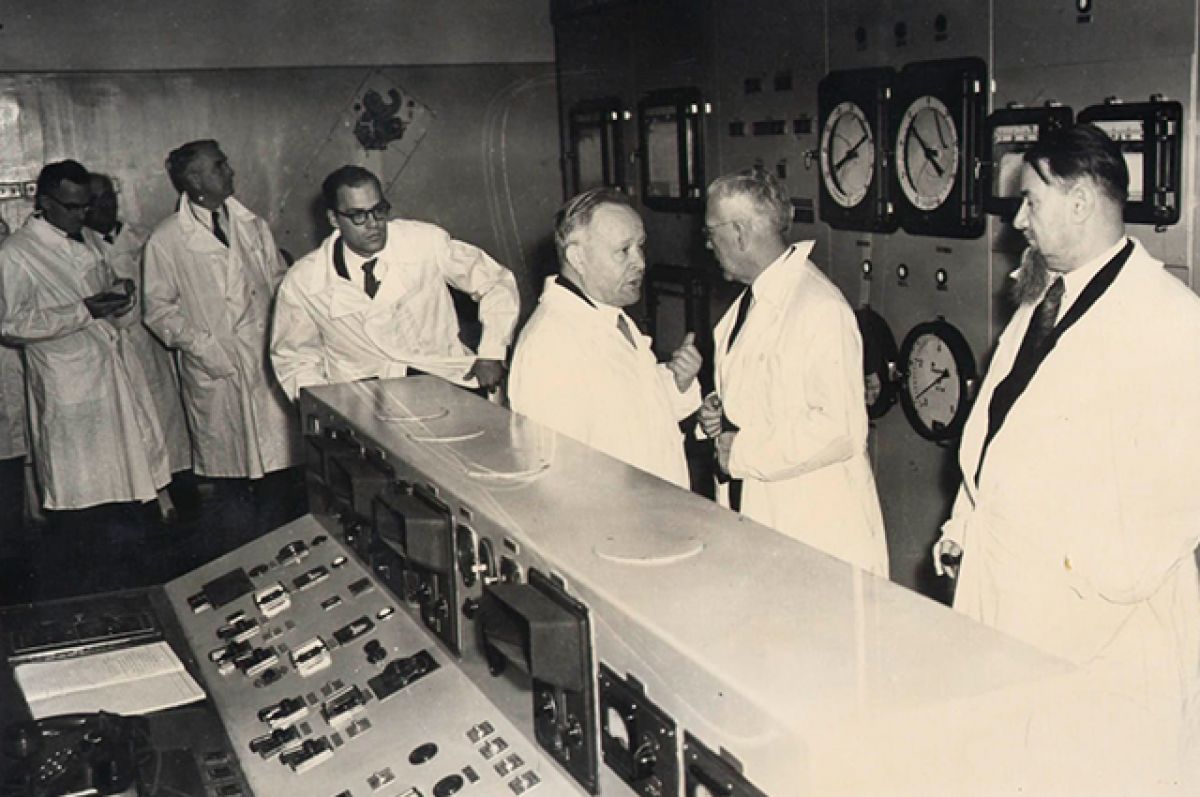
Fig. 5 Photo chronicle of the Kurchatov megaproject
Four assemblies with increasingly increasing sizes were assembled in turn, and as a result, the main dimensions of the reactor were predicted. In November, the final assembly of the reactor began, on which, on December 25, 1946, Kurchatov and his colleagues carried out a chain reaction of uranium fission for the first time in Eurasia. This reactor became the legendary F-1 reactor - "Physical First". He earned money in Pokrovsky-Streshnevo. It took only 16 months to implement this grandiose project, extremely complex and extremely labor-intensive.
It is with the launch of the F-1 reactor that Kurchatov's legendary phrase is connected:
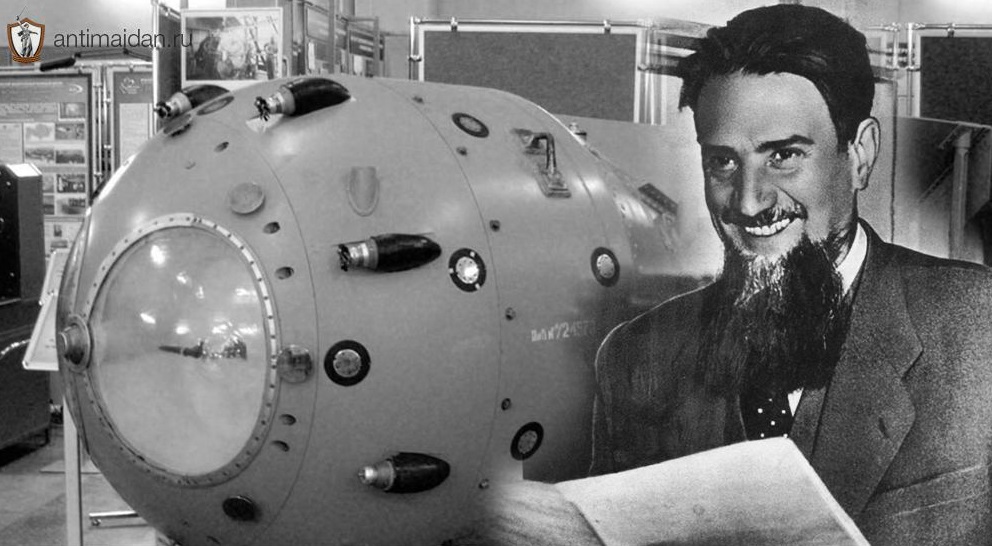
Fig.6 Kurchatov and the atomic "product" of the megaproject
In 1947-1948, extremely important experiments were carried out at F-1, which made it possible to build and launch the first industrial reactor in the southern Urals, produce the required amount of plutonium on it, and test the first atomic charge in 1949.
Participants in the Atomic Project made a bold decision to begin construction of an industrial reactor even before the launch of F-1. Over 45 thousand people - the most qualified builders and engineers - took part in the construction of the plant in the city of Chelyabinsk-40. Kurchatov became the scientific director of the plant.
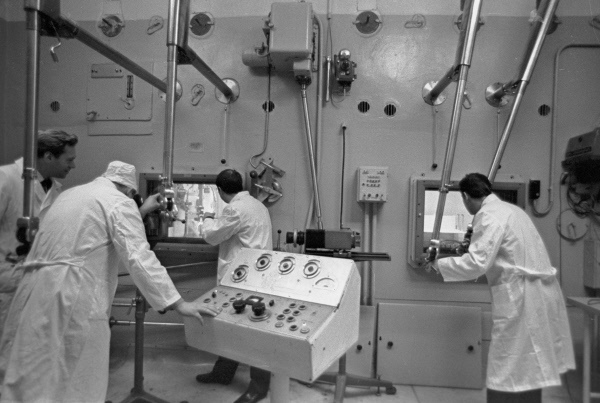
Fig.7 Photo chronicle of the Kurchatov megaproject
The launch of an industrial nuclear reactor and a radiochemical plant near Chelyabinsk for the separation of plutonium from uranium made it possible to begin production and successful testing at the test site in Semipalatinsk on August 29, 1949. For reasons of secrecy, the first Soviet atomic bomb was called RDS-1, "special jet engine." At exactly 7 o'clock, an atomic "mushroom" rose above the test site, which could be seen tens of kilometers away.
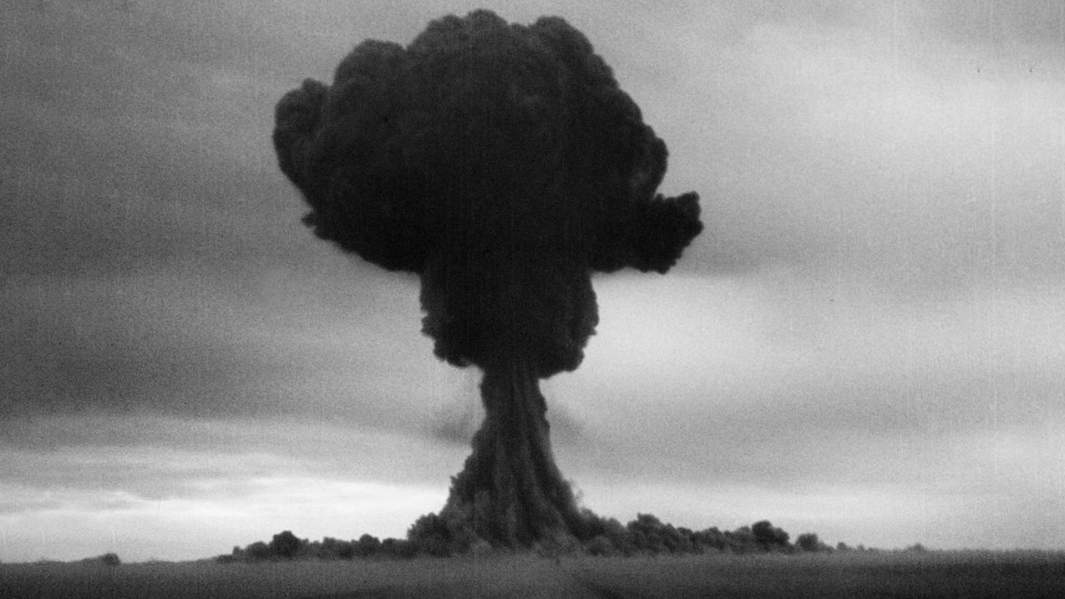
Fig.8 Test result in Semipalatinsk
In the 1950s, scientists continued work in various areas of nuclear physics, improved and tested new nuclear charges.
The merits of Kurchatov and his colleagues in creating new weapons were recognized with state awards: the title of Hero of Socialist Labor and laureates of the Stalin Prize.
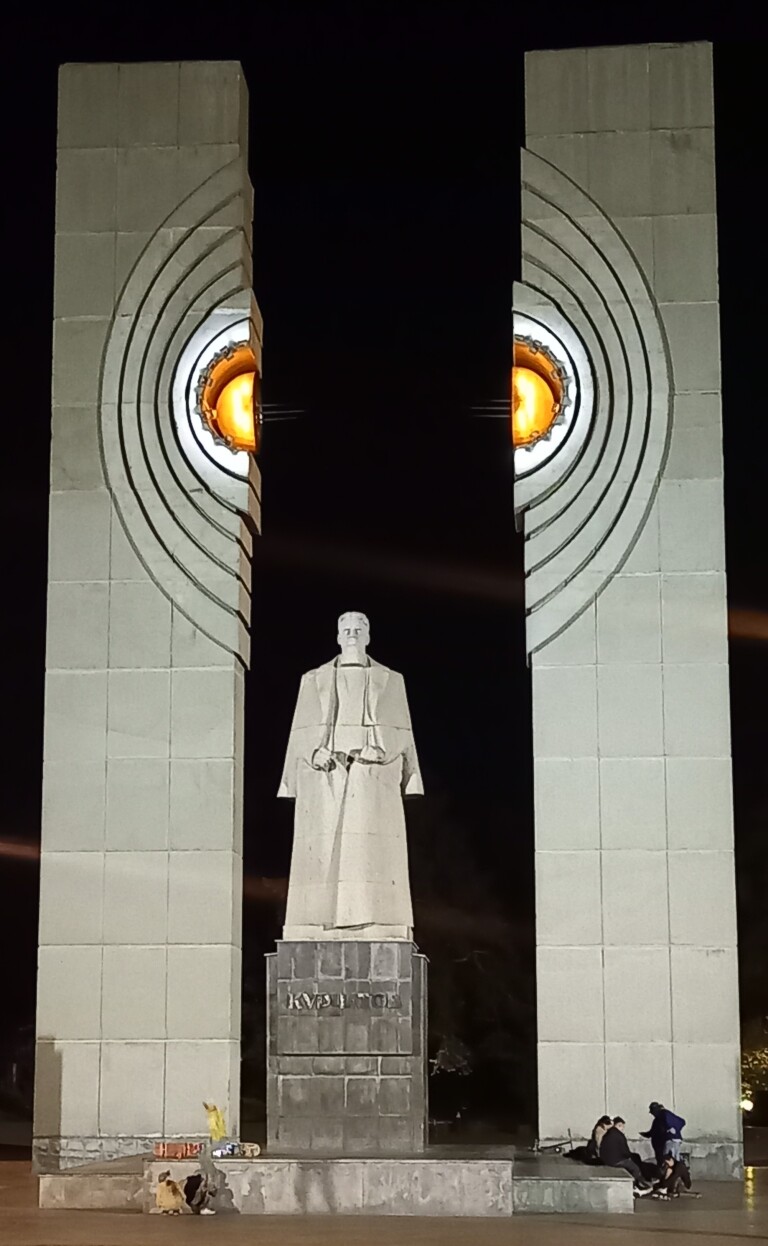
Fig.9 Monument to Kurchatov in Chelyabinsk
Colleagues gave Kurchatov the nickname "Beard," to which he responded with pleasure. Self-irony has always been welcomed in the scientific world, and funny nicknames have been assigned to the most respected scientists. And he stopped shaving in 1942, during pneumonia. When I recovered, I decided to leave my beard "until the Victory." Then - before the bomb test. And then he himself could no longer imagine himself without a long beard.
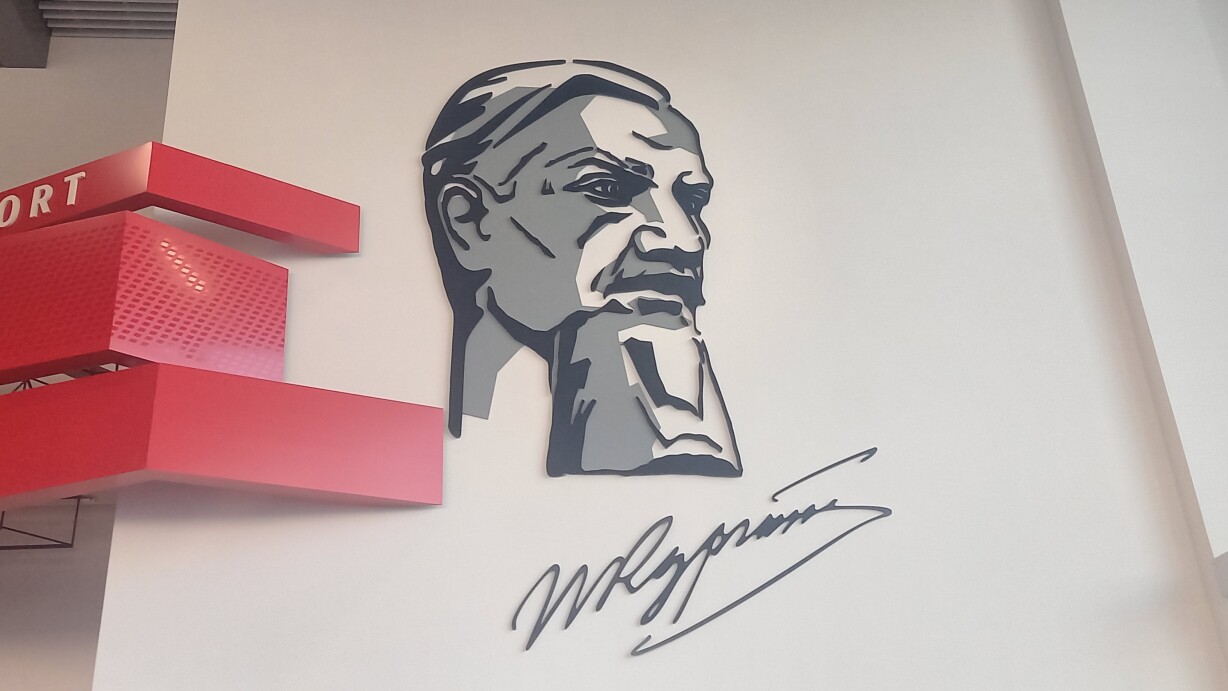
Fig. 10 Design of the airport in Chelyabinsk
After 1955, Kurchatov often spoke at conferences, appeared on the pages of the foreign press - and, as a rule, spoke about the anti-war policy of the USSR and the peaceful use of the atom. The impressive, smiling bearded man became the face of Soviet science.
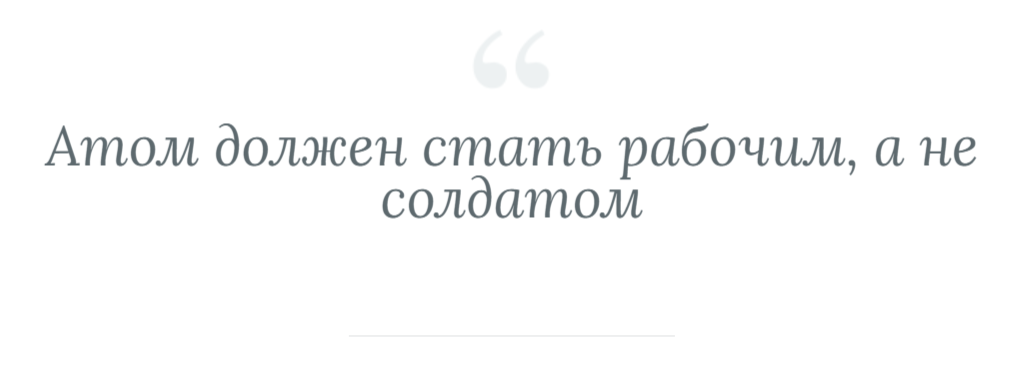
In confirmation of these words, Kurchatov proposed, developed and completed the world's first nuclear power plant in Obninsk. It provided industrial current in the summer of 1954.
Kurchatov left at the age of 57, having created a scientific school and an entire industry, nuclear, which is inseparable from his endeavors and achievements.
As a summary about Kurchatov: